Imagine playing the game "20 Questions" with the opening question: "Animal, vegetable, or mineral?"
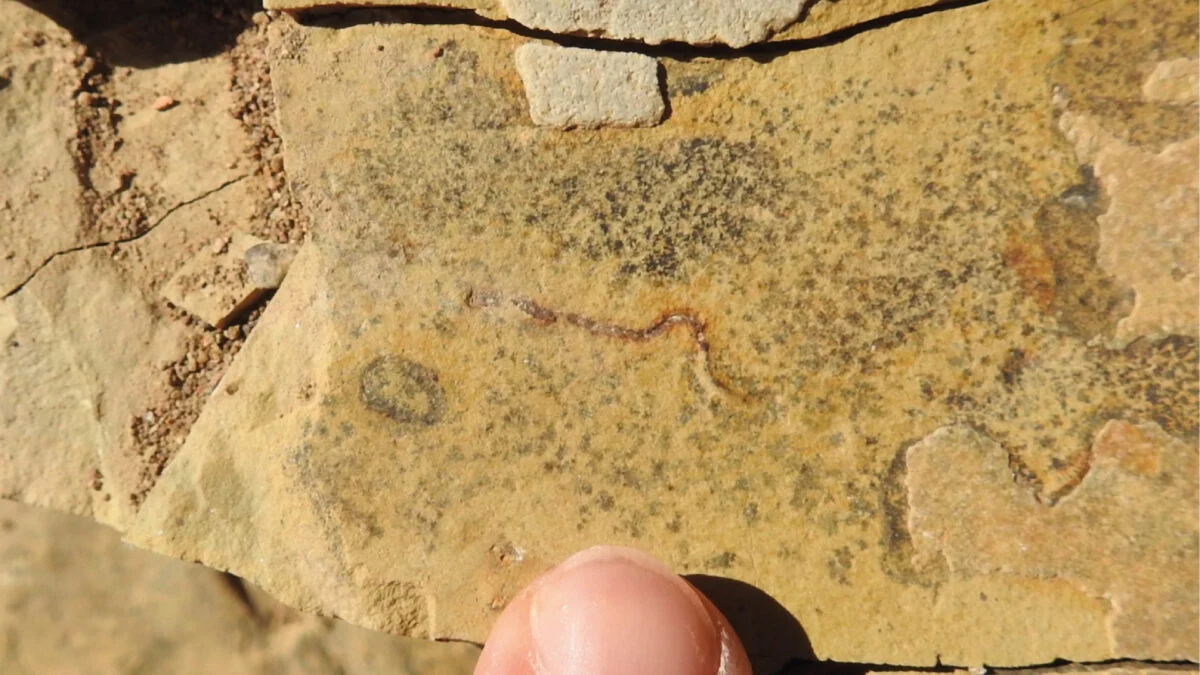
For the ancient sea worm Perinereis cultrifera (which is still around to this day), the answer is surprisingly complicated. Like other predatory bristle worms, this species has jaws built from structural proteins and ions. The animals use these hard mouthparts to bite, crush, and consume their food.
The unusual composition and behavior of these jaws have led researchers to describe them using a new term: bio-metals. The concept is now becoming an emerging area of biophysical research.
What Makes a Bio-Metal Different?
Scientists have previously used phrases such as "metallike biomaterials" or "biomaterials with metallike properties" for biological substances that resemble metals in strength or electrical conductivity.