view more
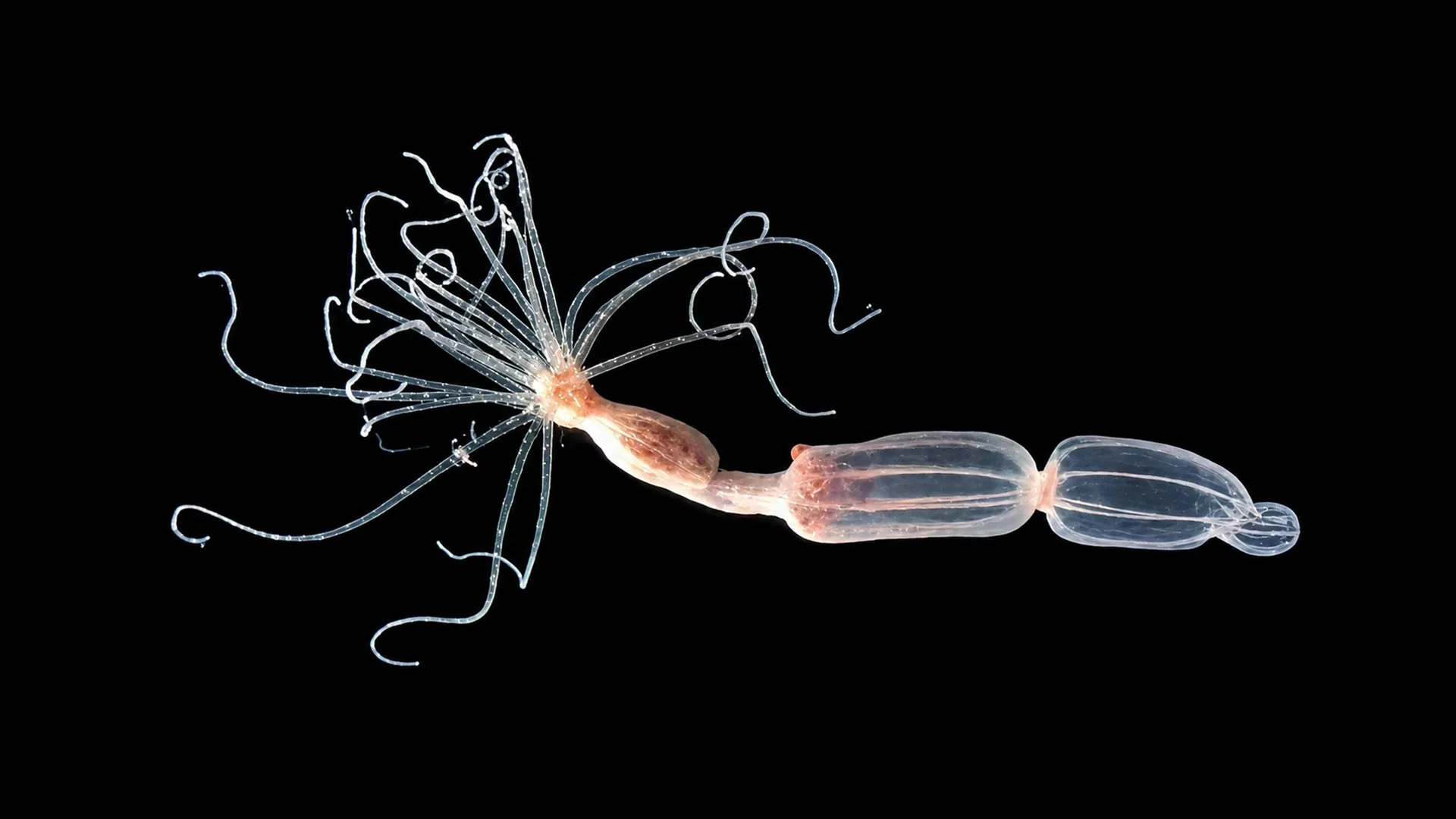
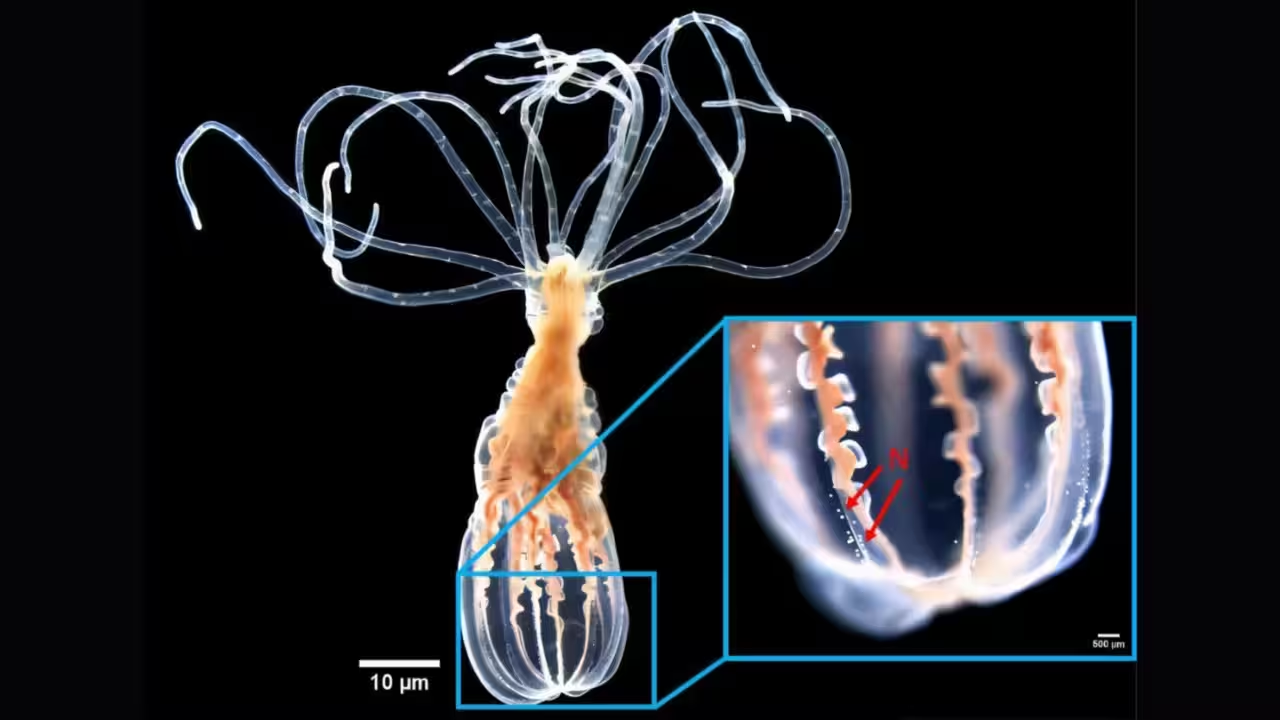
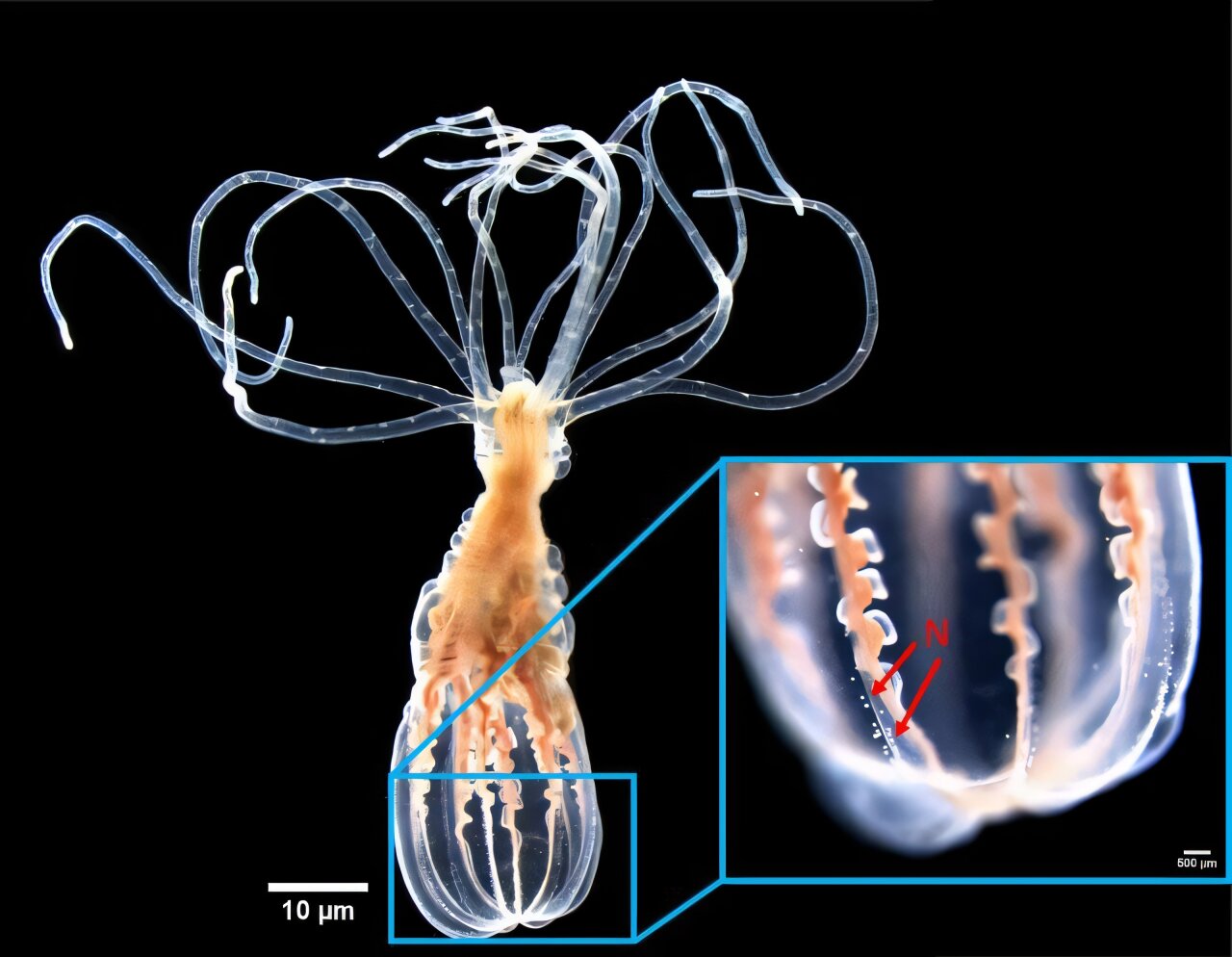
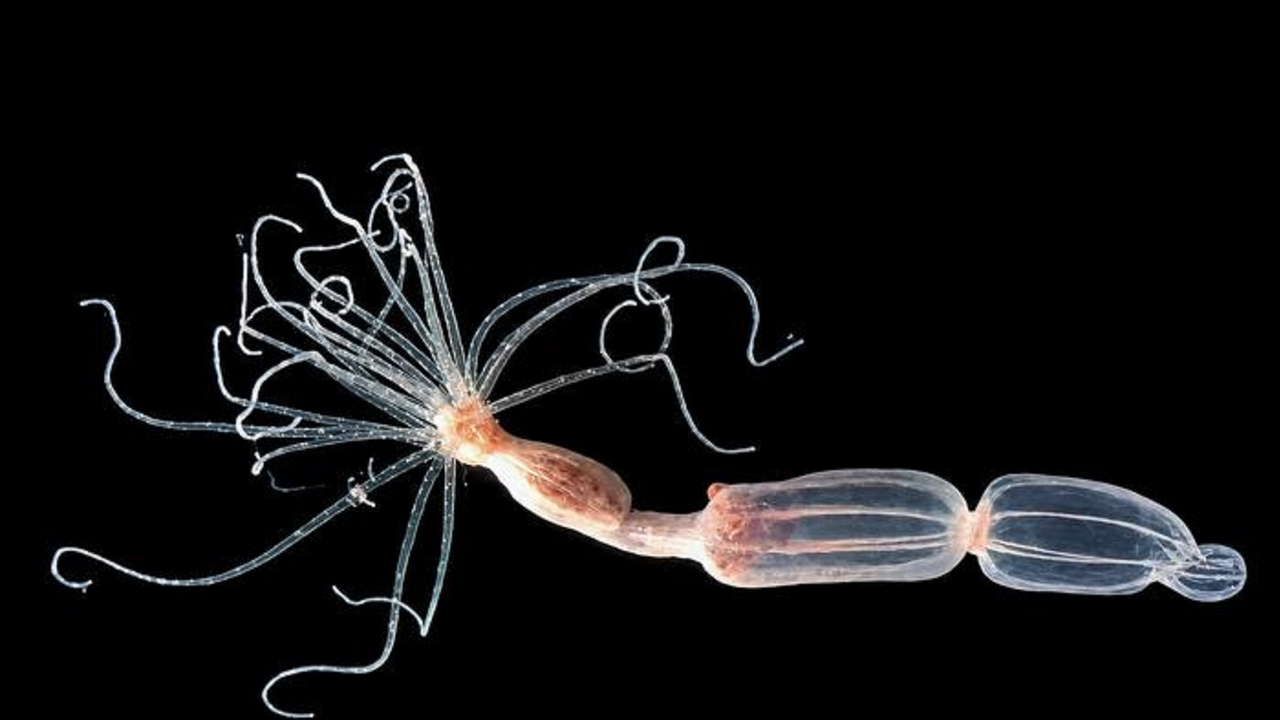
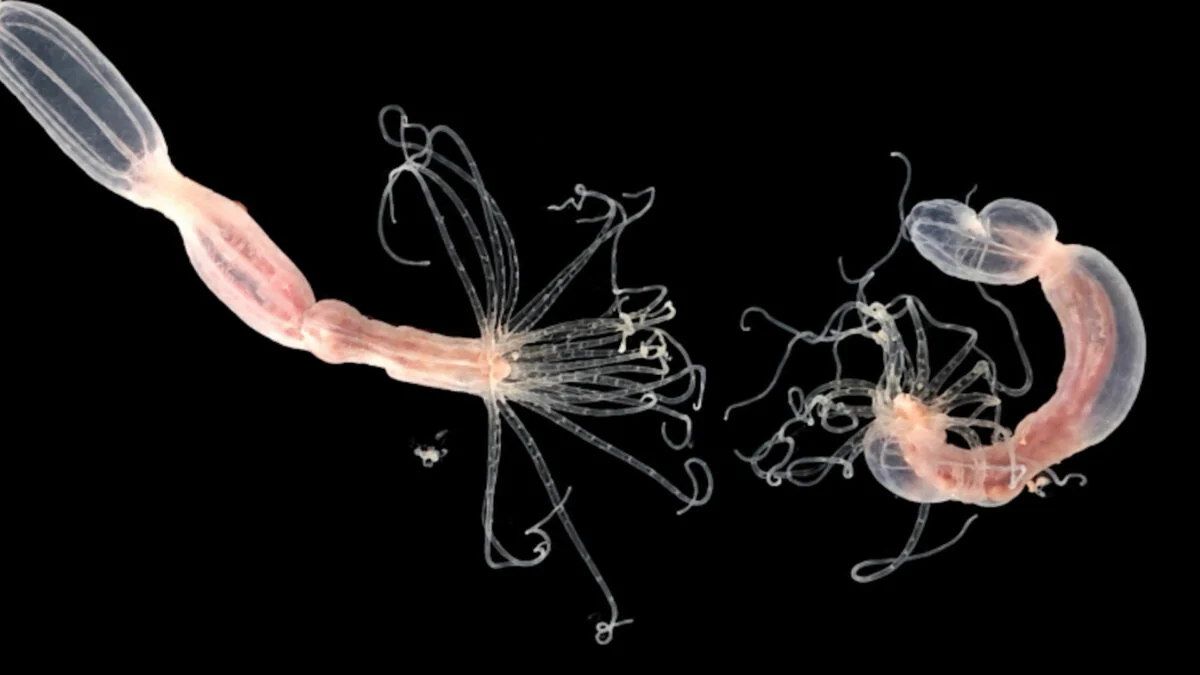
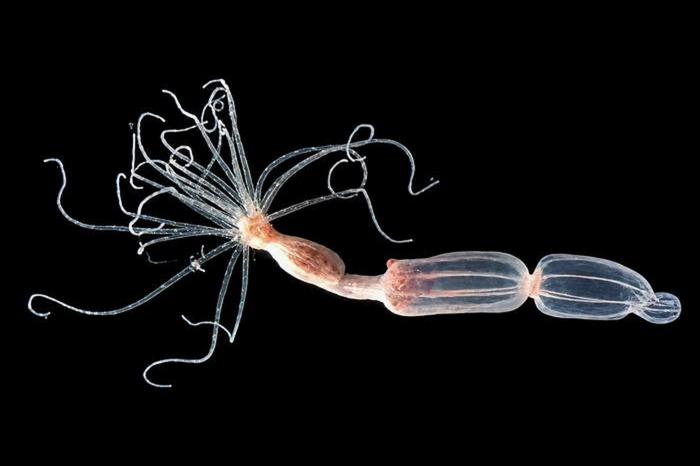
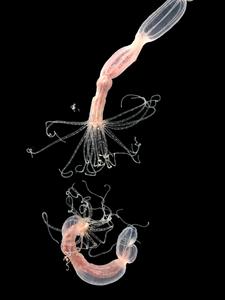
A new study has uncovered a previously unknown antiviral defense mechanism in sea anemones, revealing that animals may have evolved more than one way to fight viral infections. Researchers discovered that a protein resembling a key component of the human immune system actually plays the opposite role, yet remains essential for effective antiviral protection. The findings challenge assumptions about the evolution of immunity and suggest that fundamentally different antiviral strategies have emerged across the animal kingdom.
A new study led by PhD candidate Ton Sharoni and Prof. Yehu Moran of the Hebrew University of Jerusalem, in collaboration with researchers from the University of North Carolina at Charlotte, has uncovered a previously unknown antiviral defense mechanism in sea anemones. Published in Nature Ecology & Evolution, the findings challenge long-held assumptions about the evolution of immune systems and reveal that animals may have developed more than one molecular solution for combating viral infections.
Viruses are among the most persistent threats faced by living organisms. In humans and other vertebrates, antiviral defenses rely on a protein called MAVS, which activates immune responses when viral invaders are detected. Scientists have long sought to understand how deeply rooted this system is in animal evolution.