The key to curing skin cancer may lie in one of the most remote, inhospitable places on Earth.
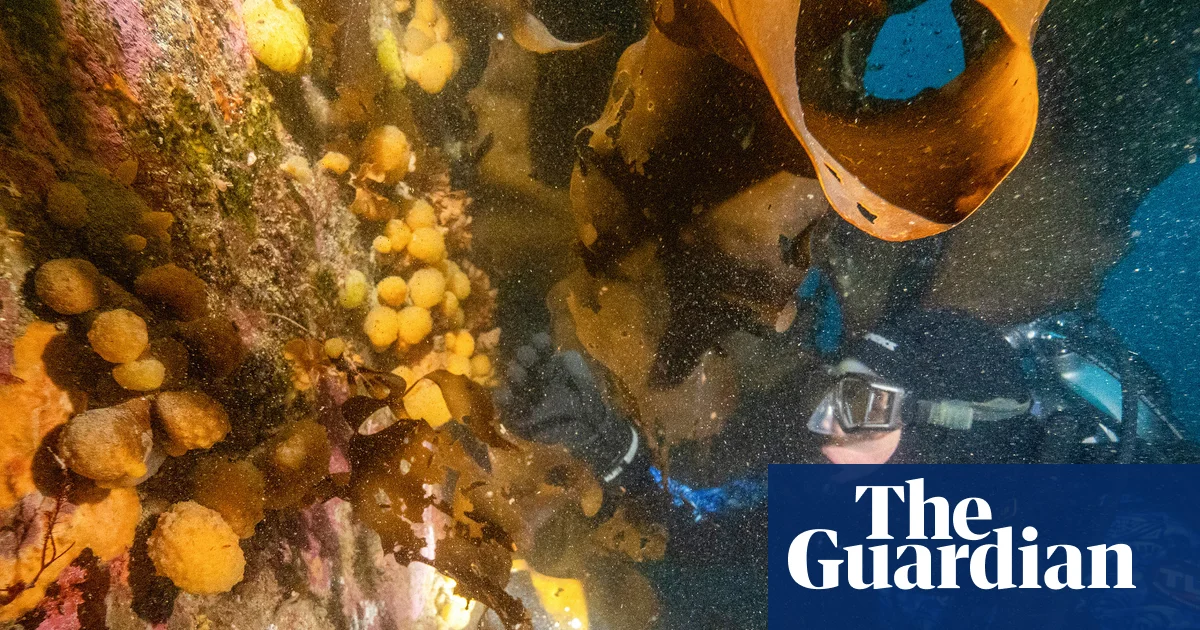
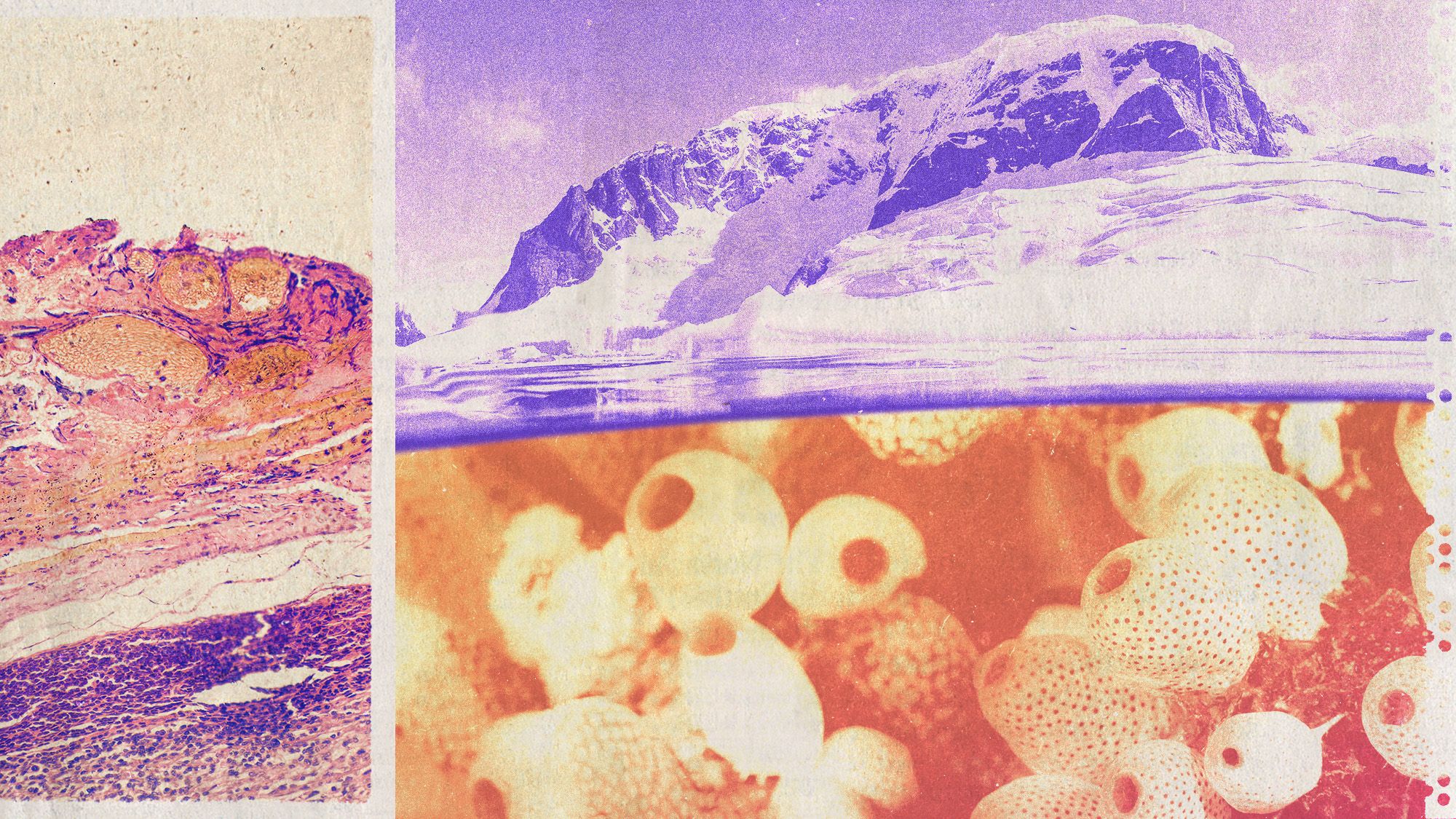
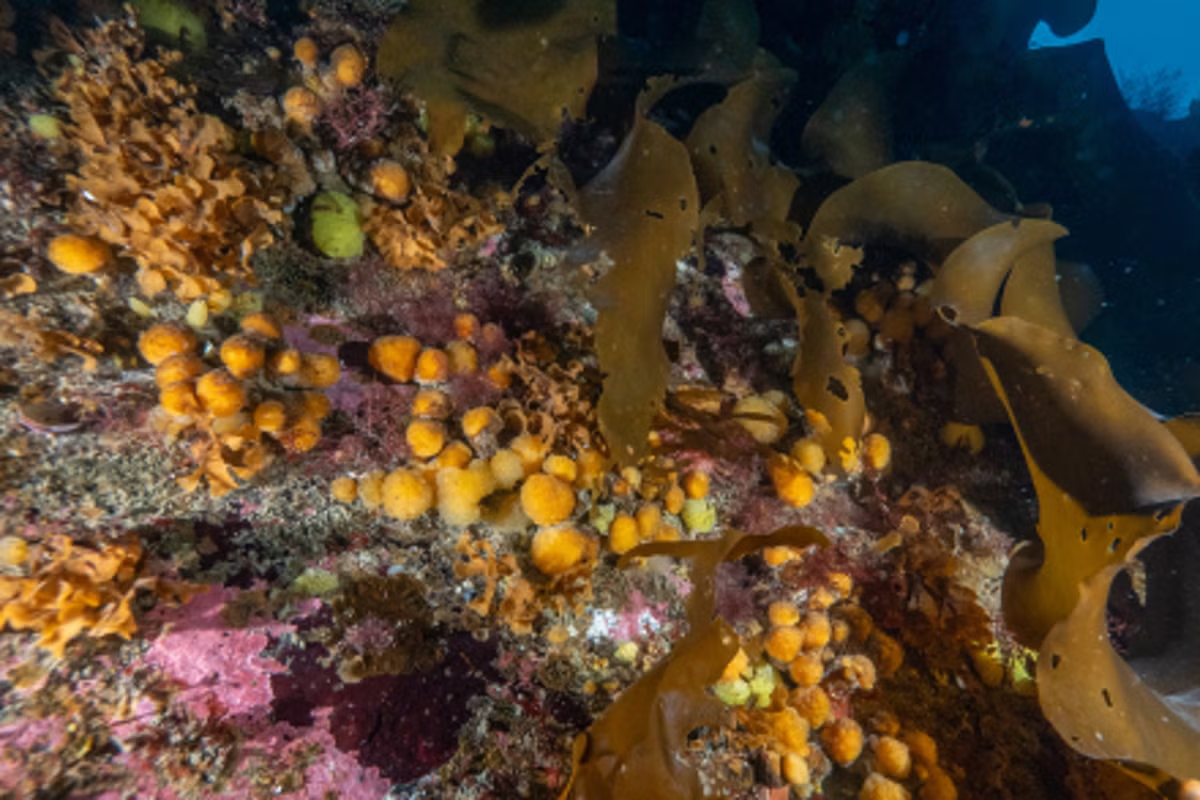
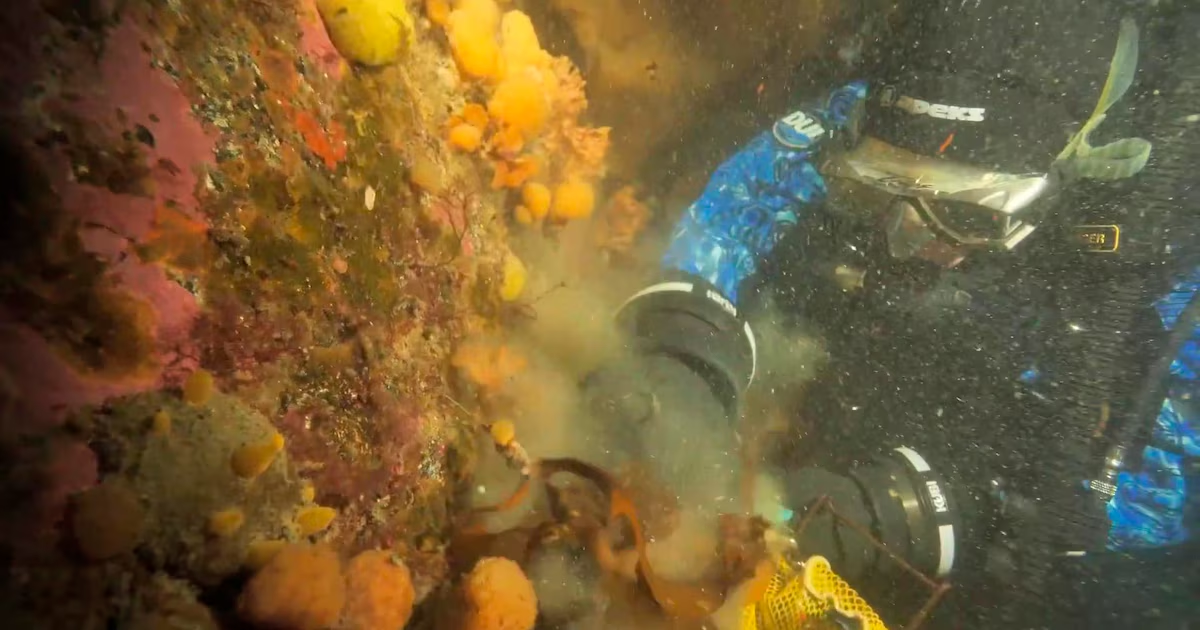
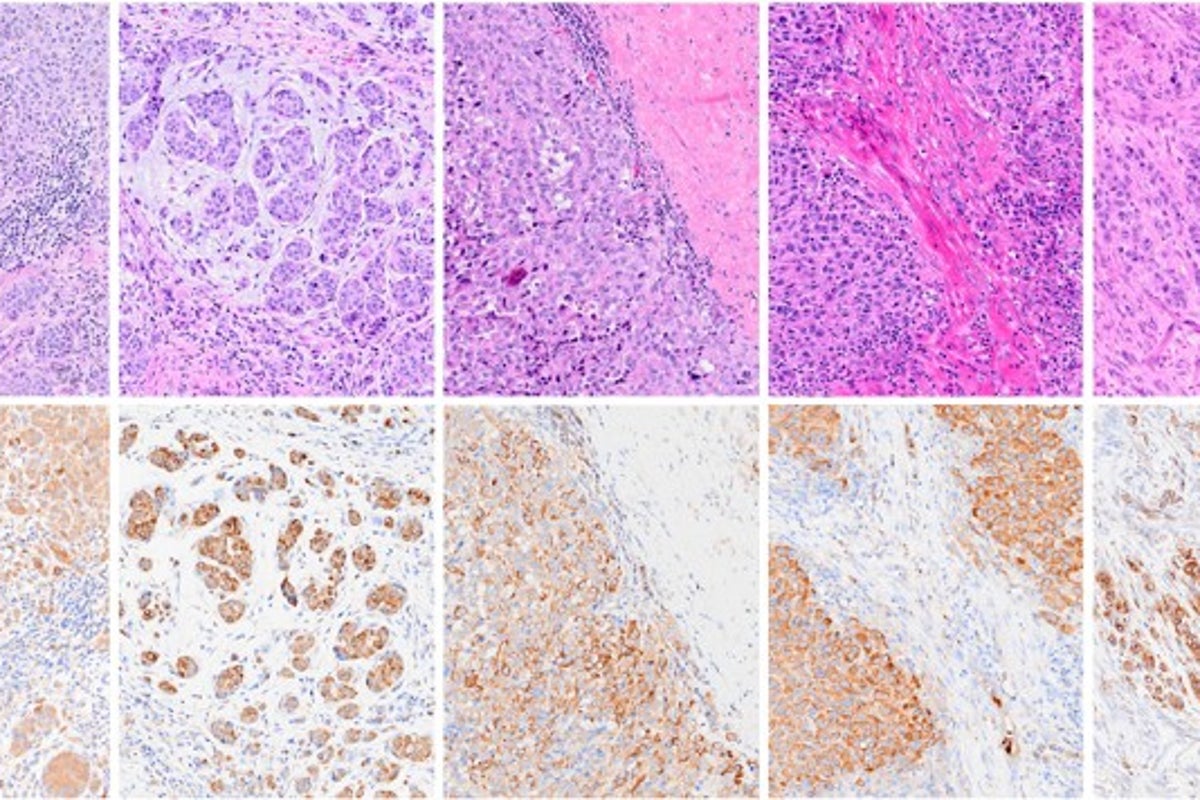
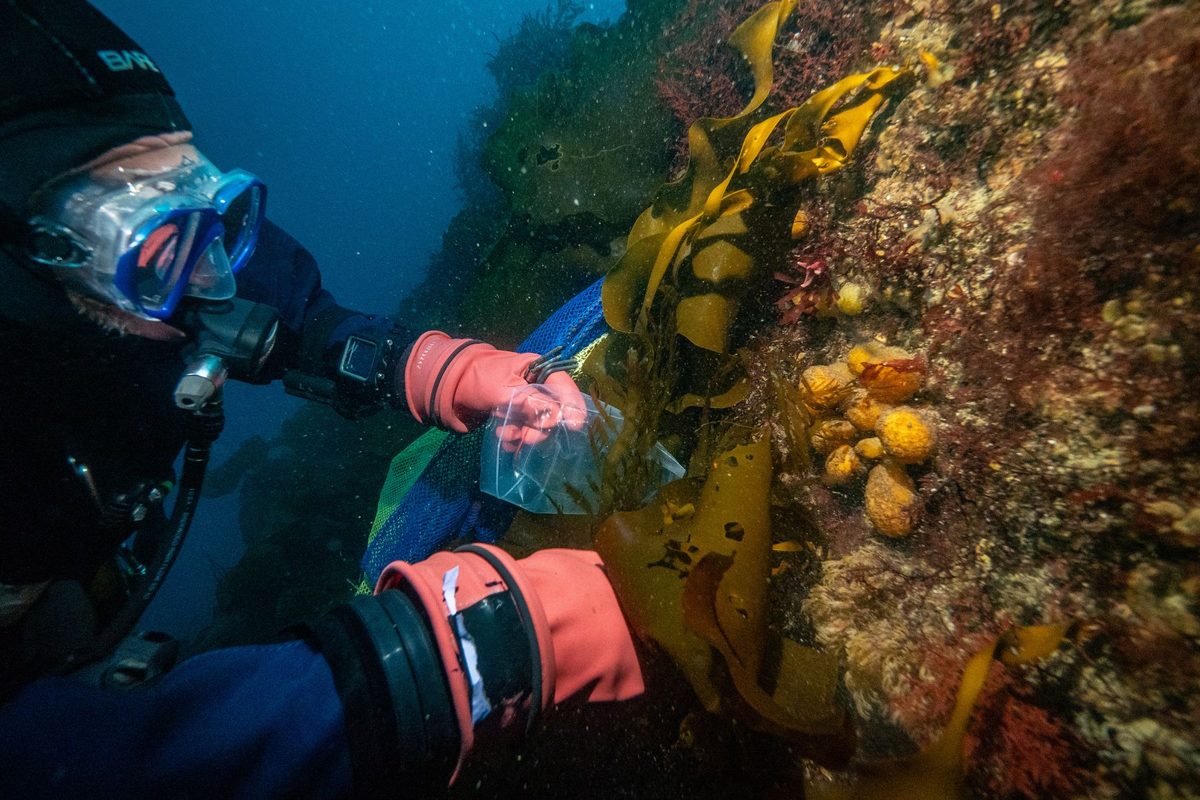
Scientists have found a species of sea squirt in Antarctica that produces a bacterium containing a toxic compound that not only kills melanoma cells, but – crucially – is not harmful to other human cells.
“That selectivity is critical in drug development because you want to treat the disease without harming the patient,” said Bill Baker, University of South Florida (USF) chemistry professor, who is co-leading the research.
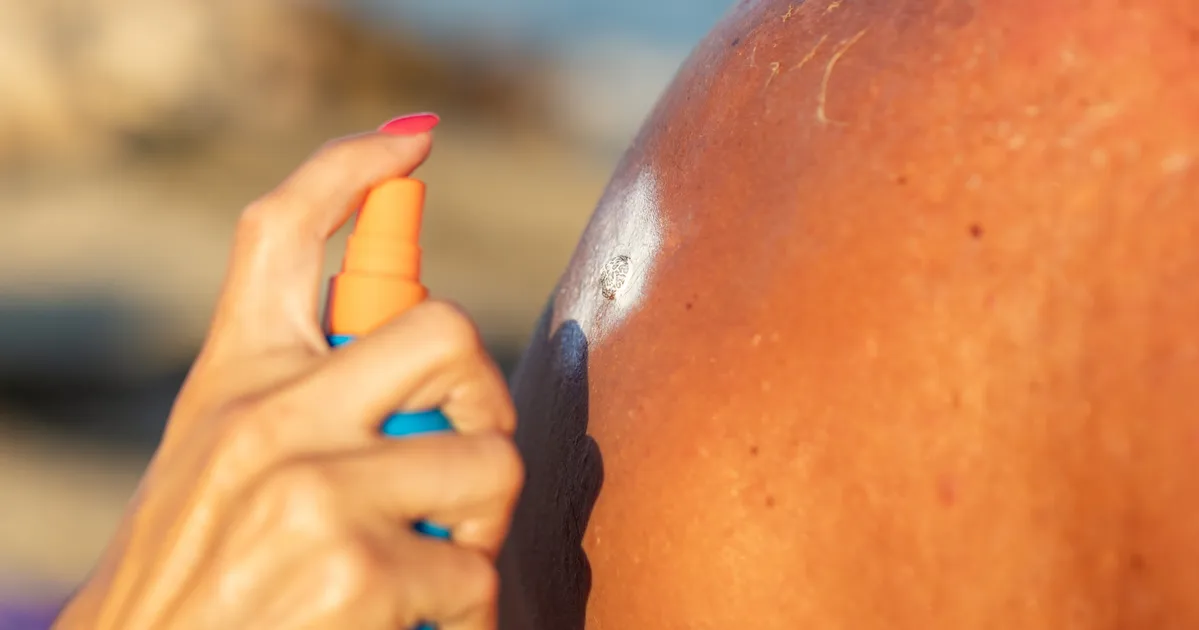
An estimated 57,000 people die of melanoma, the most serious form of skin cancer, every year, a figure that could rise to 96,000 by 2040.
The highest rates are found among people with fair skin in Australia and New Zealand, then Western Europe, but the cure may lie much further south.