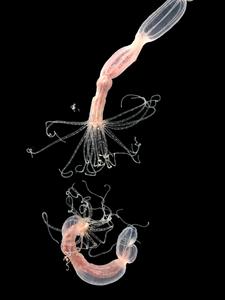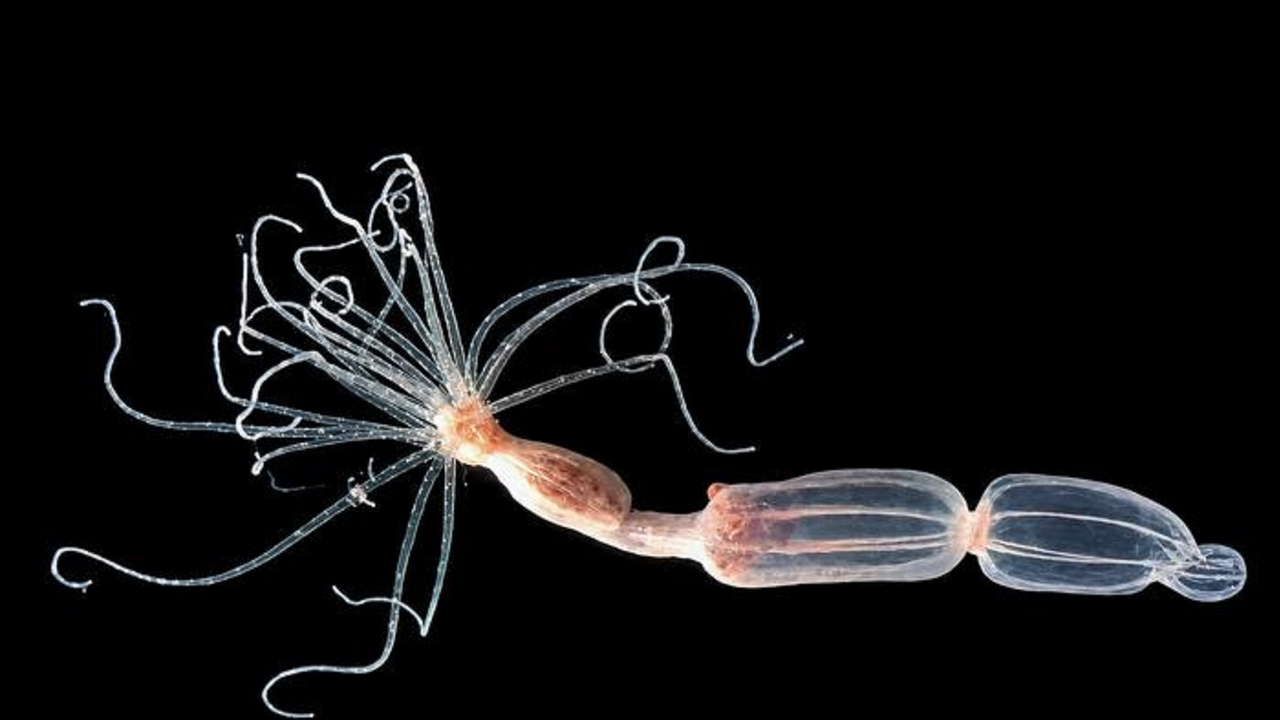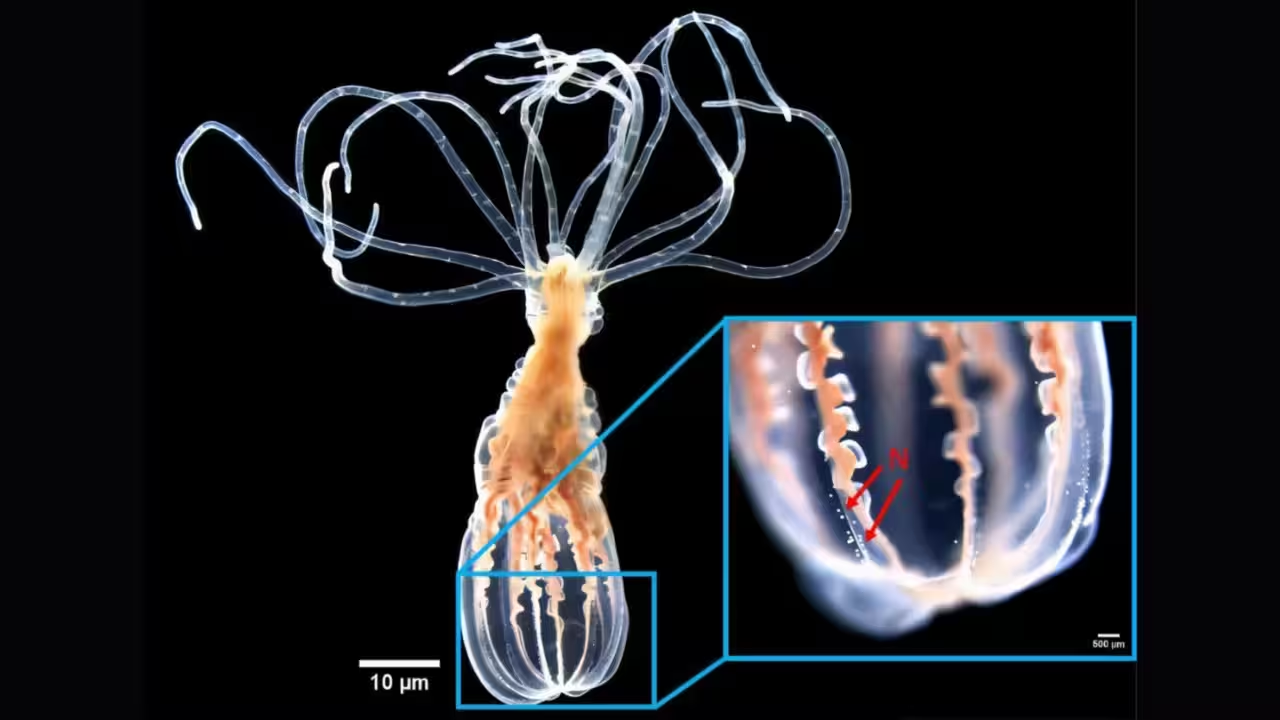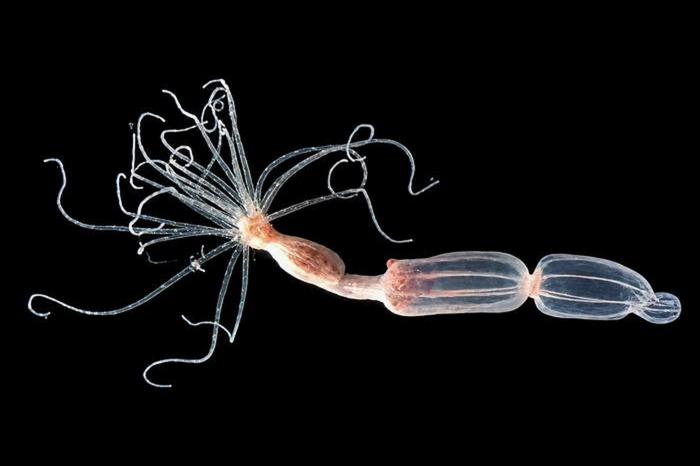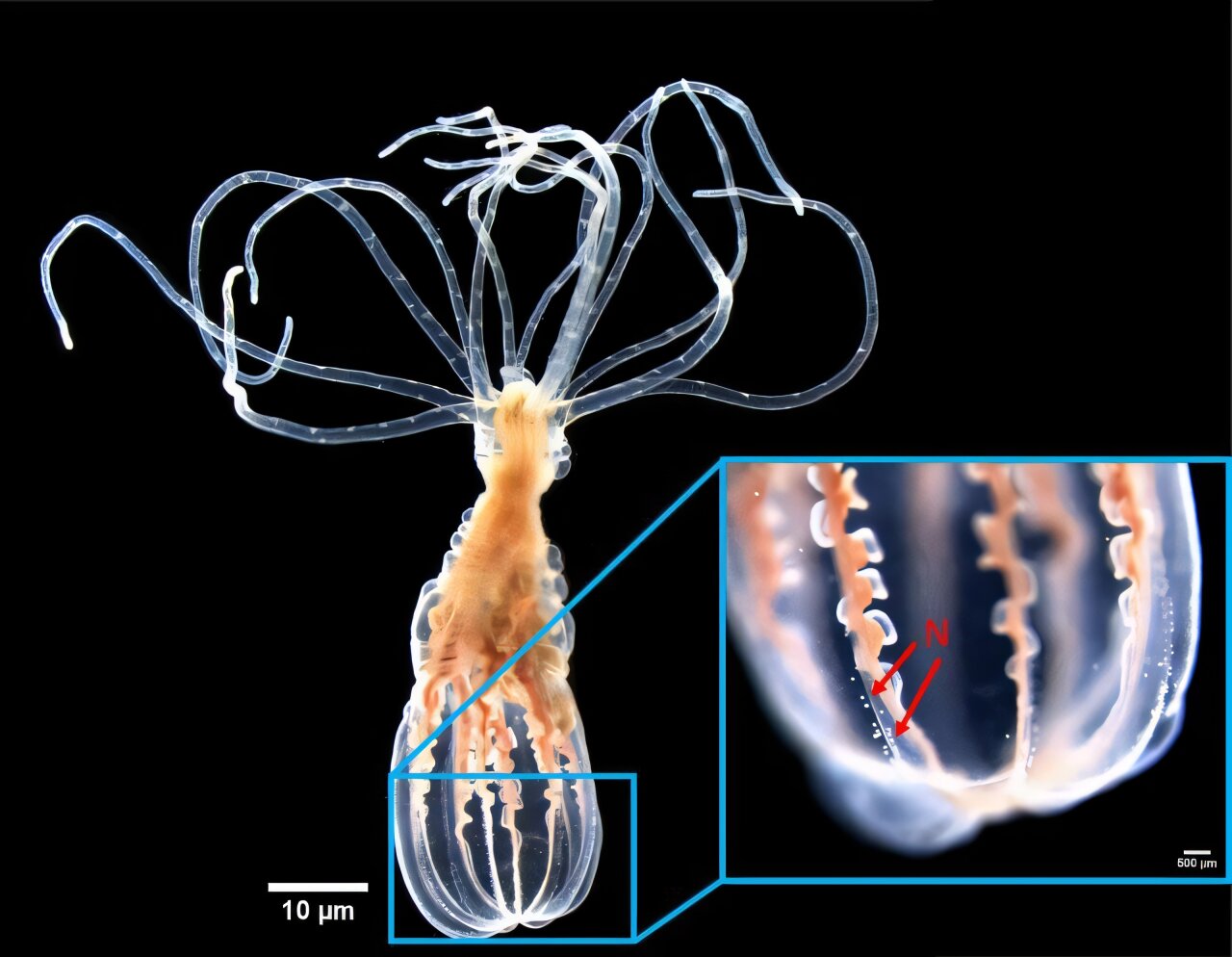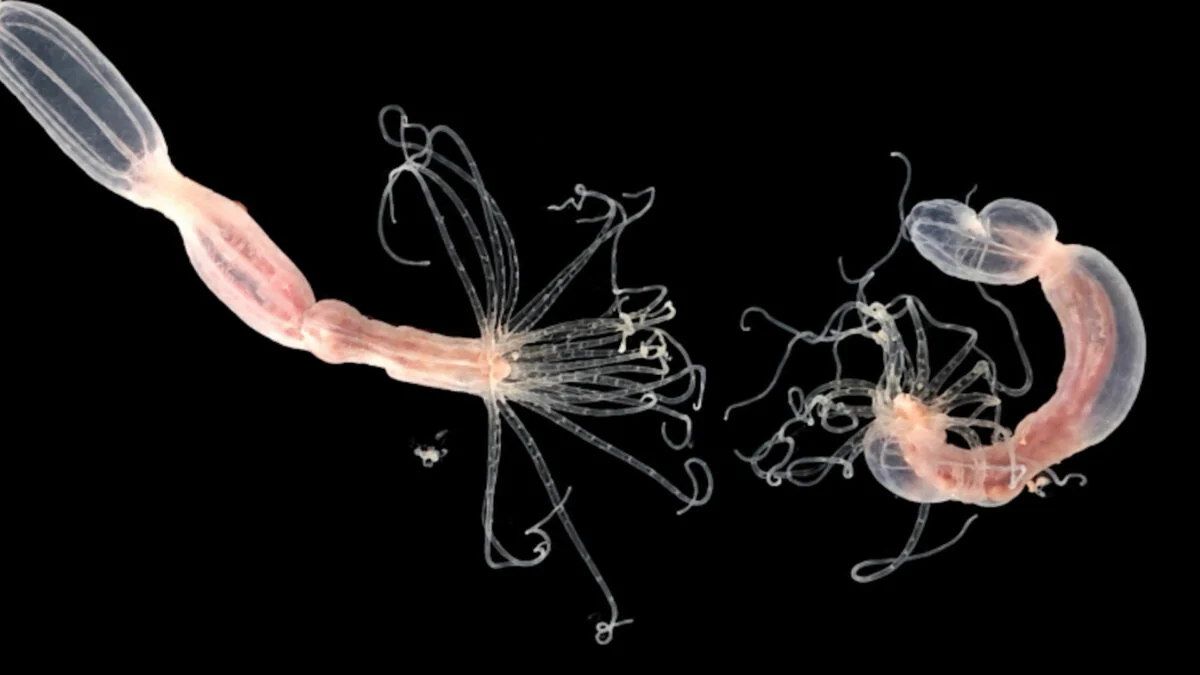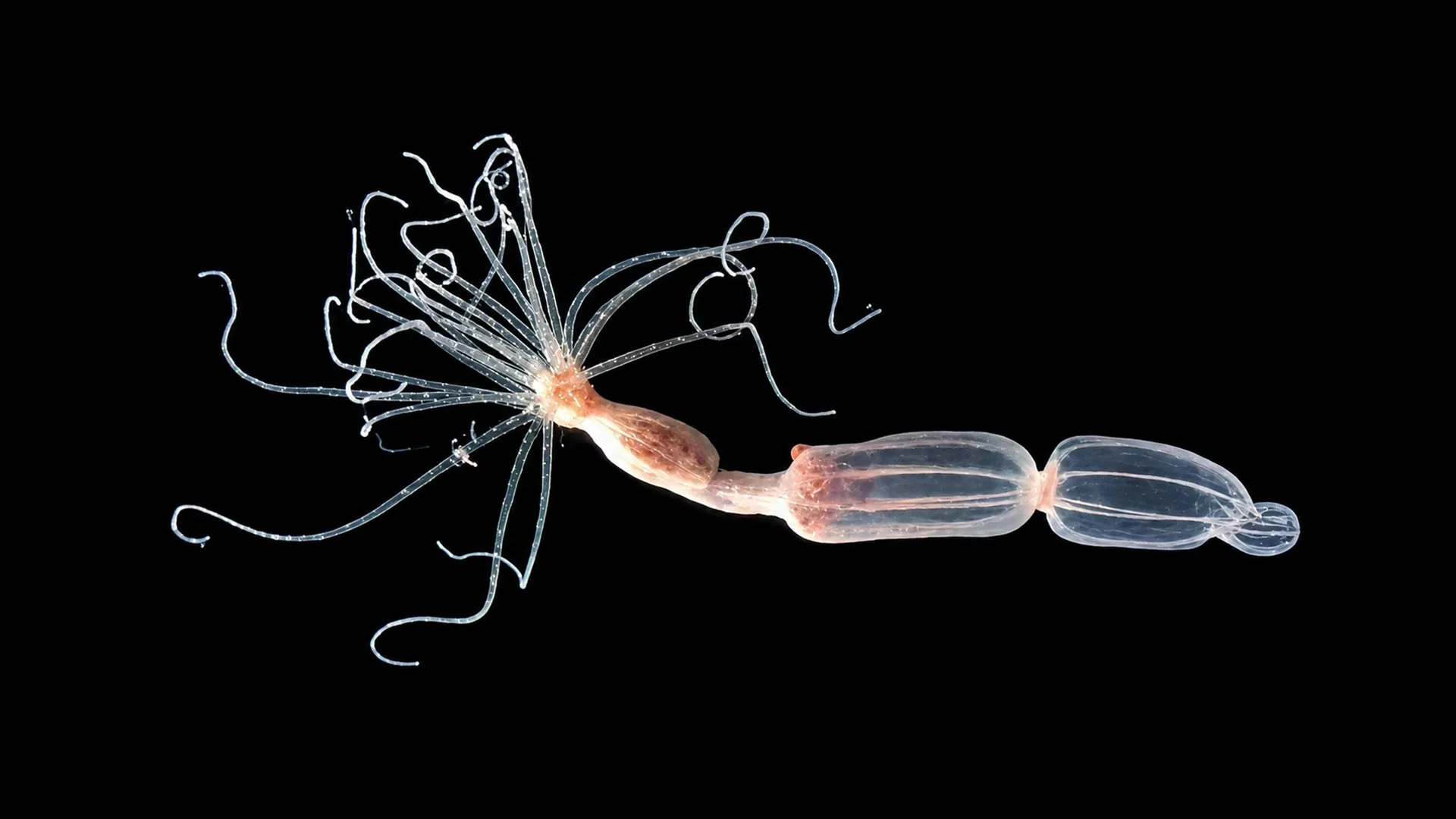
Scientists have uncovered a previously unknown way that sea anemones defend themselves against viruses, revealing that the evolution of animal immune systems may be far more diverse than previously believed. The newly identified defense relies on a protein that closely resembles one of the most important antiviral proteins in humans, yet performs the opposite function while still being essential for protecting the animal from infection. The findings suggest that evolution produced more than one successful strategy for fighting viruses across the animal kingdom.
The research, led by PhD candidate Ton Sharoni and Prof. Yehu Moran at the Hebrew University of Jerusalem in collaboration with scientists from the University of North Carolina at Charlotte, was published in Nature Ecology & Evolution. It challenges the long standing idea that animals inherited a single core antiviral system from a common ancestor and instead points to multiple evolutionary solutions for resisting viral infections.
An Ancient Animal Offers New Clues About Immunity
Viruses have threatened living organisms throughout evolutionary history. In humans and other vertebrates, one of the body's key antiviral defenses depends on a protein called MAVS. When a virus is detected, MAVS helps trigger the immune system so it can respond to the infection.