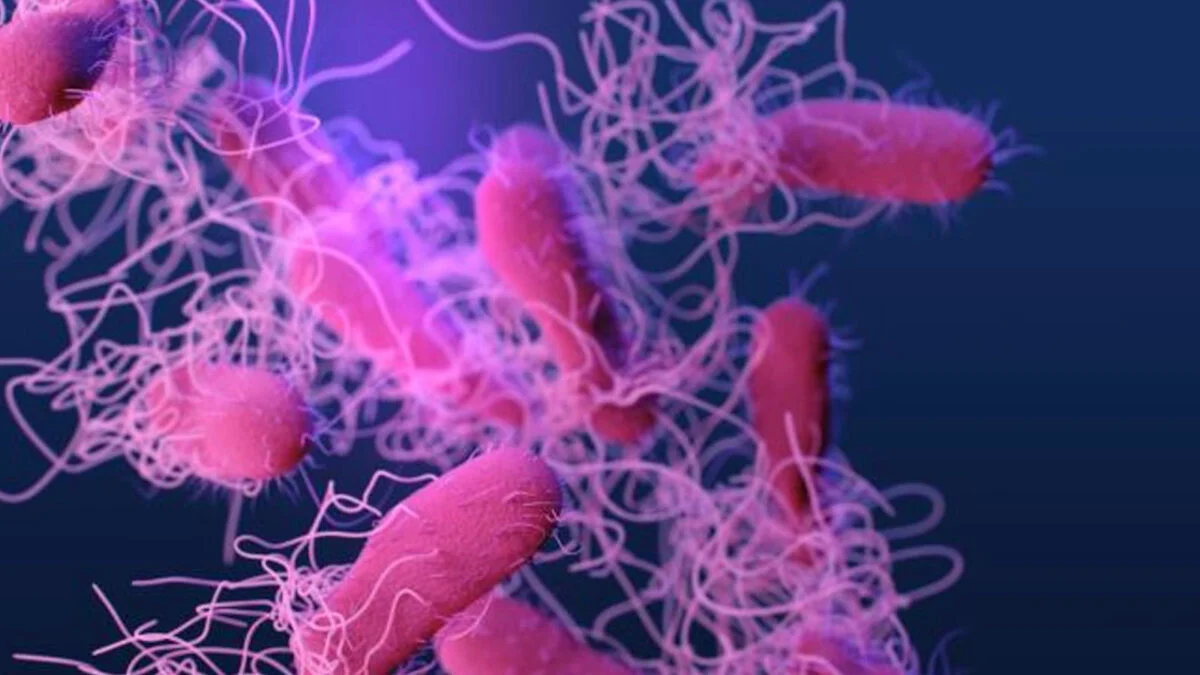
Scientists have developed a new way of designing antibiotics that could help treat drug resistant infections. The new method could not only support the development of new treatments, but also help revive antibiotics that have lost effectiveness because bacteria have evolved over time to survive the drugs meant to destroy them.Antibiotic resistance is a severe global threat responsible for about 1.27 million deaths worldwide a year, according to the World Health Organization (WHO). Health chiefs have also warned resistance increased in more than 40 per cent of the bacteria and antibiotic combinations being monitored between 2018 and 2023.Antibiotic resistance is caused by the misuse and overuse of antibiotics in humans, animals and plants, it puts modern medicine as we know it at risk. Infection becomes harder to treat and surgery becomes riskier. Scientists have developed a new way of designing antibiotics that could stop drug resistance (Getty Images/iStockphoto)But a study led by researchers at King’s College London and published in the Journal of Medicinal Chemistry, describes a new approach called “Efflux Resistance Breaker”, or ERB, which is designed to overcome one of the ways bacteria escape antibiotic treatment.“Antimicrobial resistance is rising, but the number of truly new antibiotics in development remains worryingly low,” Professor Khondaker Miraz Rahman, who led the study said.“Our work shows that we can redesign antibiotics so they stay inside bacterial cells at higher concentrations and overcome resistance mechanisms that would normally make them ineffective. This approach could help us design better new antibiotics, but it could also help revive existing antibiotic classes that bacteria have learned to defeat,” he added. Many bacteria use molecular pumps, known as efflux pumps, to push antibiotics out of the cell before the drugs can reach levels high enough to kill them. This reduces the amount of antibiotic inside the bacteria and allows resistant infections to survive.But scientists have found these antibiotics can be chemically redesigned so they are less easily removed by these pumps. As a result, it restores the ability of the antibiotic to kill the bacteria even when resistance mechanisms are present.Professor J. Mark Sutton, from the UK Health Security Agency, who is a key collaborator on this project said: “Efflux pumps are a major cause of antibiotic resistance because they reduce the concentration of drug inside the bacterial cell. “This study shows that rational chemical design can be used to overcome that problem. By building efflux resistance directly into the antibiotic, we may be able to restore activity against bacteria that are no longer controlled by current drugs.”The research team is now aiming to use this strategy to make new treatment options for drug-resistant infections.
Scientists create new antibiotic that could help treat drug resistant infections
Antibiotic resistance is responsible for more than a million global deaths a year
438 words~2 min read