Antimicrobial resistance (AMR) contributes to an estimated 1.1 million to 1.4 million deaths worldwide each year. While this growing threat is typically linked to the overuse and misuse of antibiotics, new research suggests another factor may also be playing a role: certain weedkillers.
Scientists have found evidence that glyphosate, one of the world's most widely used herbicides, may help select for bacteria that are resistant to multiple antibiotics.
"Here we show that the most common species of multidrug-resistant bacteria from hospitals are not only resistant to multiple antibiotic classes, but also to high concentrations of the weedkiller glyphosate," said Dr. Daniela Centrón, a researcher at the Institute of Medical Microbiology and Parasitology in Buenos Aires and the senior author of the study published in Frontiers in Microbiology.
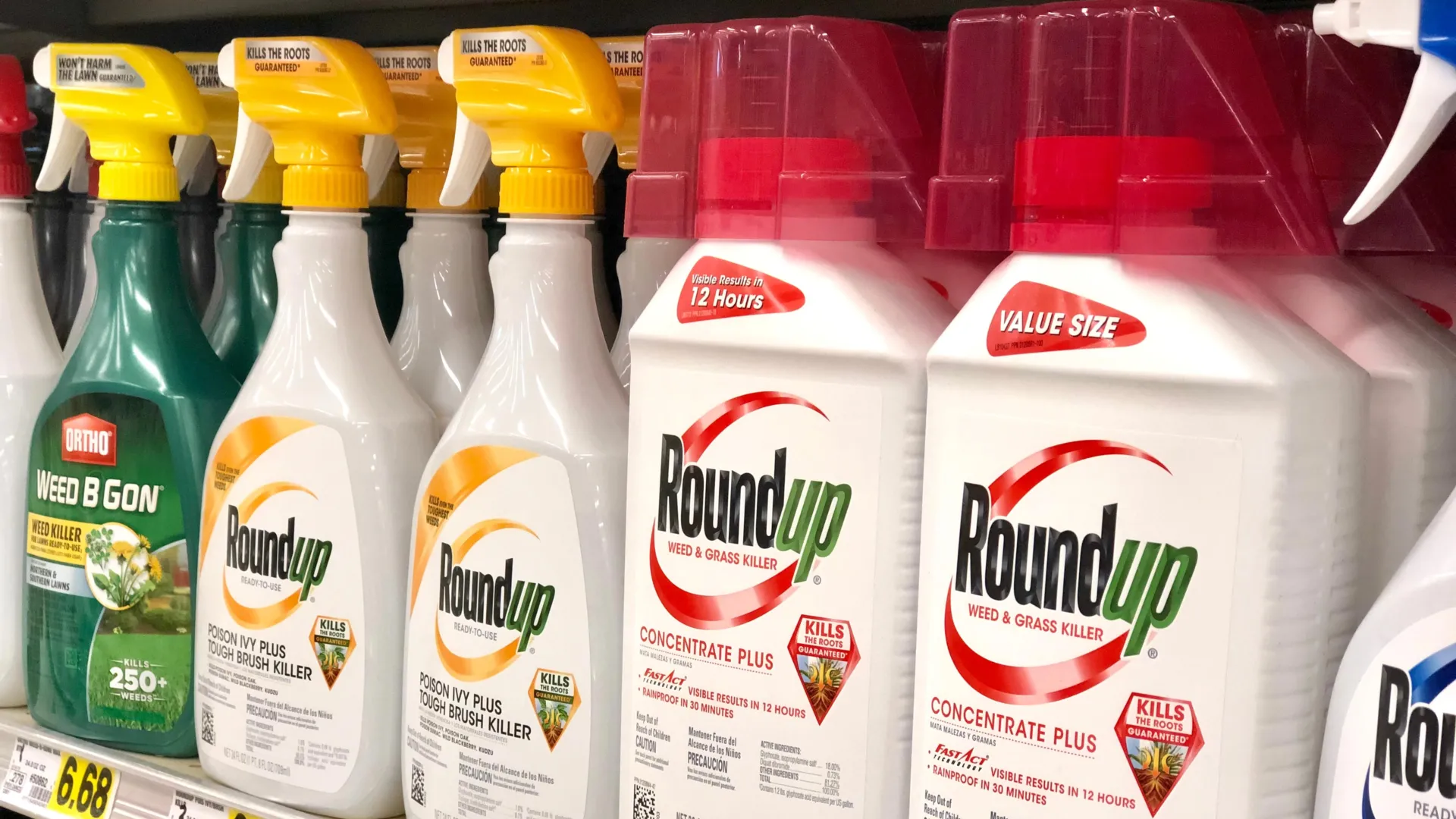
"These results suggest that weedkillers -- which, unlike antibiotics, are widely applied in agricultural environments -- may have the unintended side-effect of selecting for AMR among bacterial communities within the soil."For decades, Roundup was closely associated with glyphosate, the herbicide first registered in the United States in 1974. Today, the answer is more complicated. Home-use Roundup products found in many hardware and garden stores have been reformulated without glyphosate and may contain ingredients such as triclopyr, fluazifop, and diquat. But glyphosate remains in professional and agricultural Roundup products used in farming, landscaping, and other commercial settings.Testing Bacteria From Nature, Farms, and Hospitals