They helped create the modern world but are dangerously overused. How can we harness them sustainably?
I
n 1954, just a few years after the widespread introduction of antibiotics, doctors were already aware of the problem of resistance. Natural selection meant that using these new medicines gave an advantage to the microbes that could survive the assault – and a treatment that worked today could become ineffective tomorrow. A British doctor put the challenge in military terms: “We may run clean out of effective ammunition. Then how the bacteria and moulds will lord it.”
More than 70 years later, that concern looks prescient. The UN has called antibiotic resistance “one of the most urgent global health threats”. Researchers estimate that resistance already kills more than a million people a year, with that number forecast to grow. And new antibiotics are not being discovered fast enough; many that are essential today were discovered more than 60 years ago.
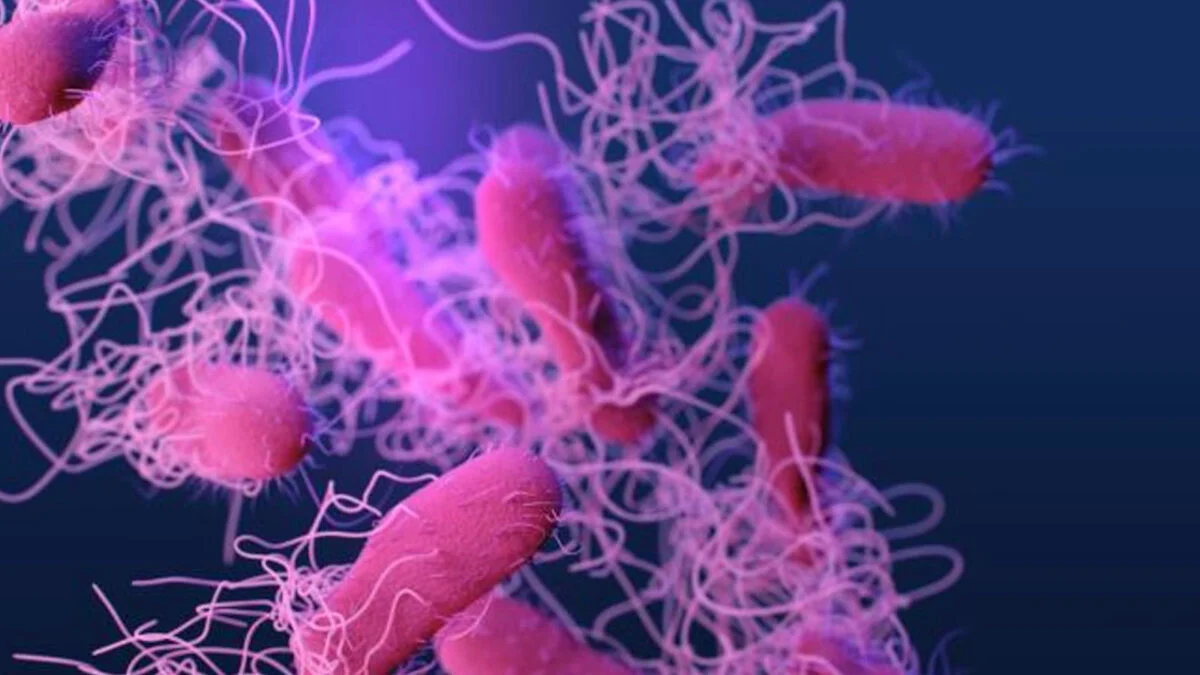
The thing to remember is that antibiotics are quite unlike other medicines. Most drugs work by manipulating human biology: paracetamol relieves your headache by dampening the chemical signals of pain; caffeine blocks adenosine receptors and as a result prevents drowsiness taking hold. Antibiotics, meanwhile, target bacteria. And, because bacteria spread between people, the challenge of resistance is social: it’s as if every time you took a painkiller for your headache, you increased the chance that somebody else might have to undergo an operation without anaesthetic.