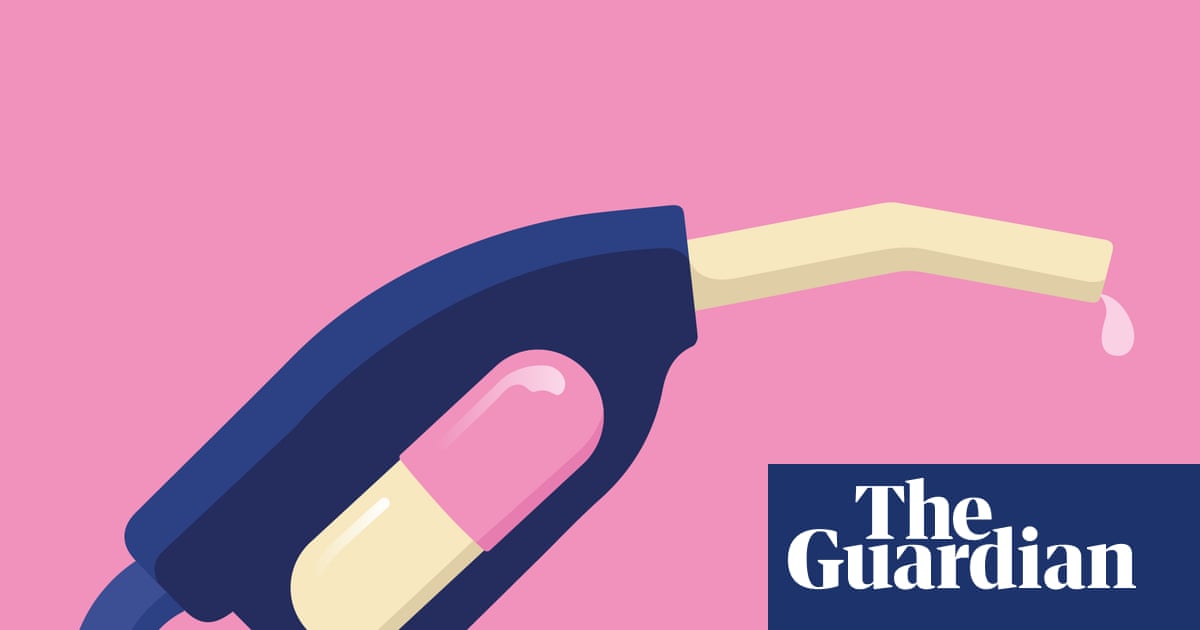
Our magic bullets are increasingly rare and ineffective. The golden age of discovery is over and the way we develop and use drugs needs to change
uring her tenure as director general of the World Health Organization, Dr Margaret Chan used to say that all of the “easy” antibiotics had already been found. Her point was that in responding to the urgent threat of antibiotic-resistant infections, we would struggle to find new medicines – or preserve the ones we have – if we didn’t find new ways of working. She was right.
Since 2017, just 16 antibiotics have gained widespread regulatory approval – mostly close relatives of medicines already in use and so unlikely to evade resistance for long. The development of new ones is a slow and unprofitable business, curative medicines being less lucrative than ones treating longer-term conditions. And the scientific outlook remains bleak.
Nevertheless, the announcement this month of two new US Food and Drug Administration-approved antibiotics against gonorrhoea is good news and, crucially, validates a new way of incentivising research. One of the new drugs, Zoliflodacin, is the product of a novel kind of partnership between the Swiss non‑profit Global Antibiotic Research and Development Partnership (GARDP) and the pharmaceutical company Innoviva. GARDP provided funding and organised clinical trials to defray costs and clear regulatory hurdles. Such assistance upfront helps direct the industry towards areas of greatest global need.