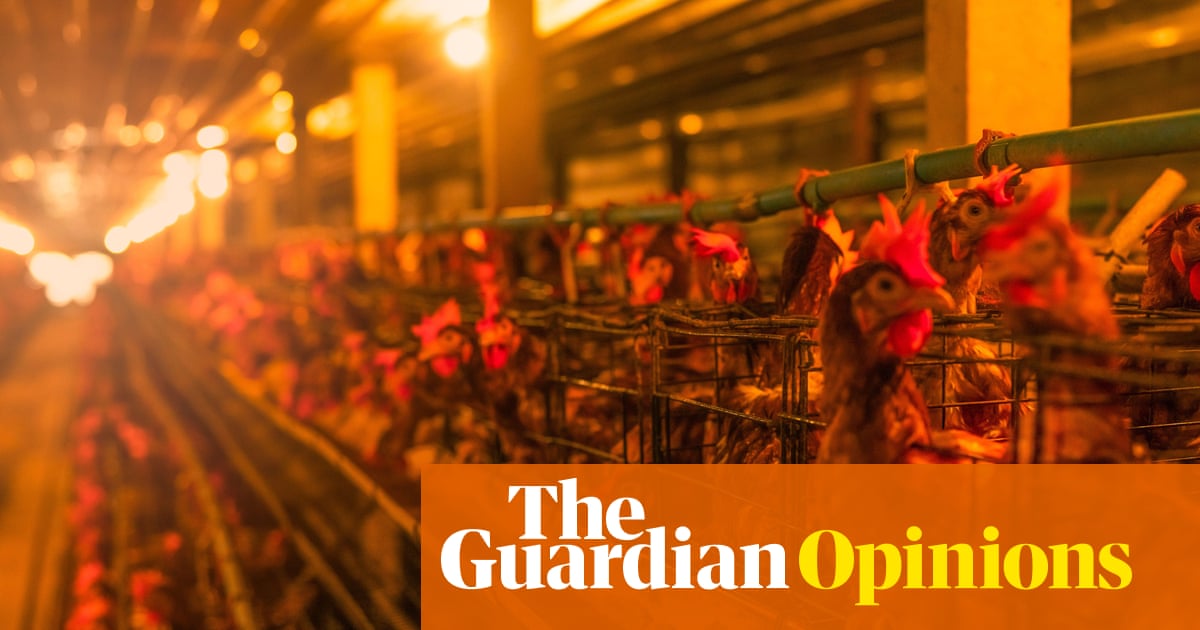
Unless more countries drastically cut back on antibiotic use in food production, these vital drugs will lose their efficacy for humans
W
hat we’re putting into our bodies can either nourish us, or make us ill. With that in mind, I wrote recently about the role of food consumption in terms of the risk of colon cancer. But what about food production?
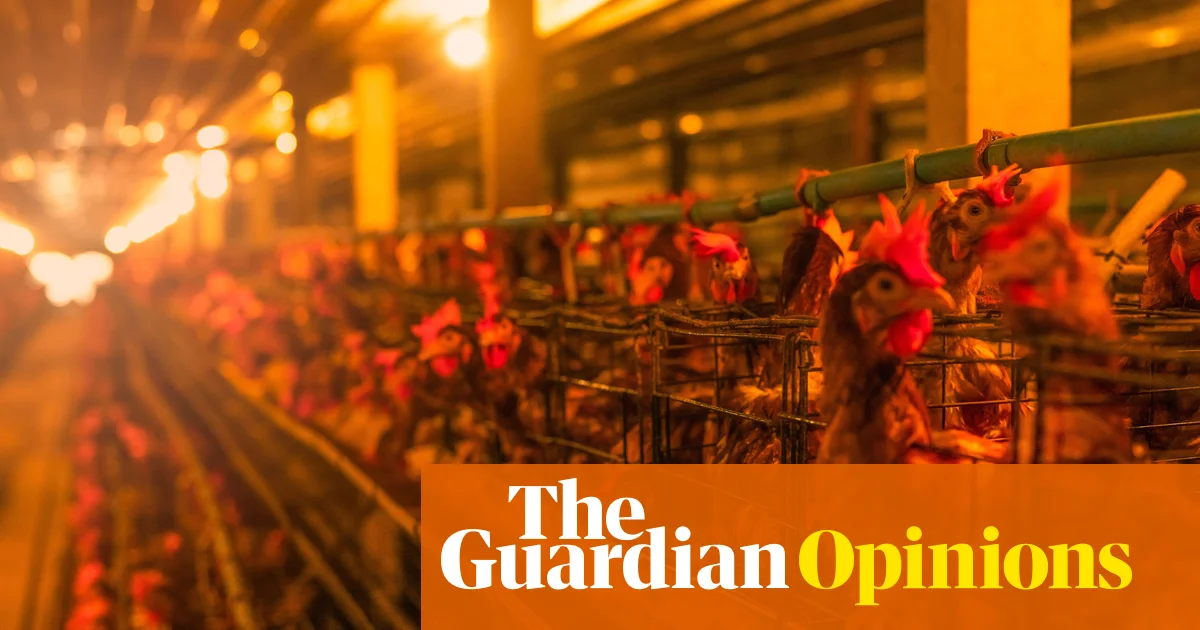
Across the world, we are seeing the rise of cheap meat: largely driven by demand from a rising middle class who finally can afford beef, pork and chicken, which used to be out of reach, given their cost. Approximately 45% of global consumption growth is occurring in upper-middle-income countries including China, India, Brazil, Indonesia and the Philippines. Poultry is set to take an increasingly large share of that growth (projected to grow by 21% by 2034), because it is relatively cheap, widely acceptable and requires fewer resources per kilogram compared with beef or pork. By 2034, it is estimated that poultry will provide 45% of the protein consumed from all meat sources.
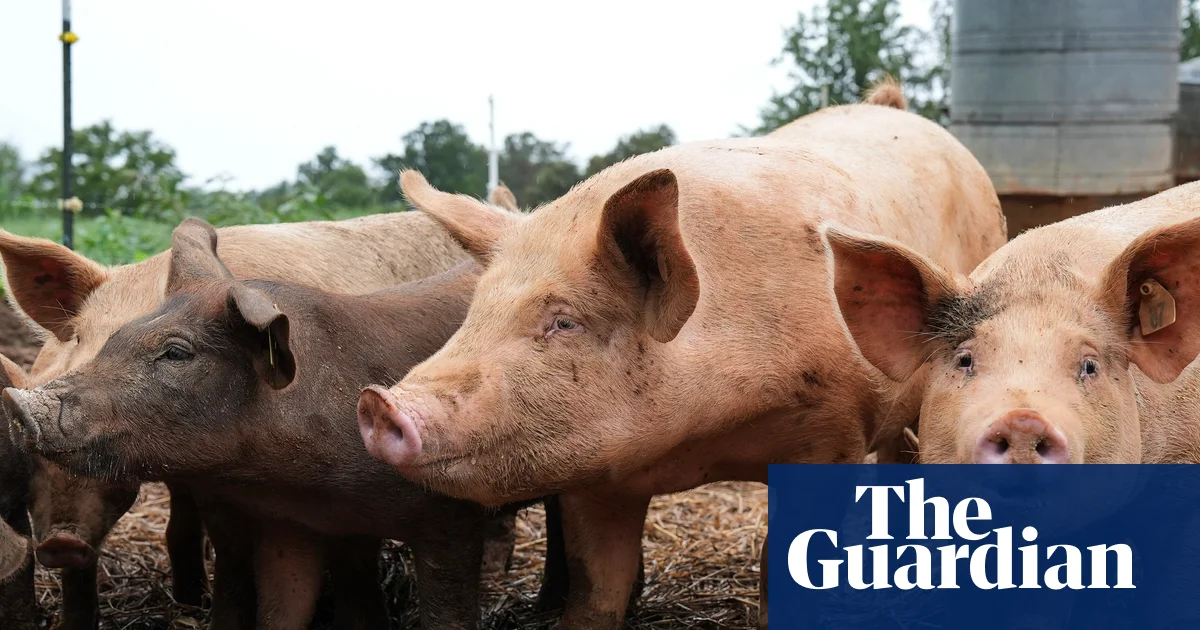
But this comes with costs. With limited land and intense time pressure, the solution in many countries has been to use antibiotics at scale. This isn’t just to treat illness, but also as a prophylactic to prevent disease in crowded conditions. And giving antibiotics causes livestock to grow faster, although scientists aren’t sure exactly why that is. All of this means that, unlike their use for humans – where antibiotics are almost always given to treat illness – their use in farming is much more widespread and indiscriminate. Studies tracking their use estimate that 73% of all antimicrobials sold globally are used in animals raised for food.