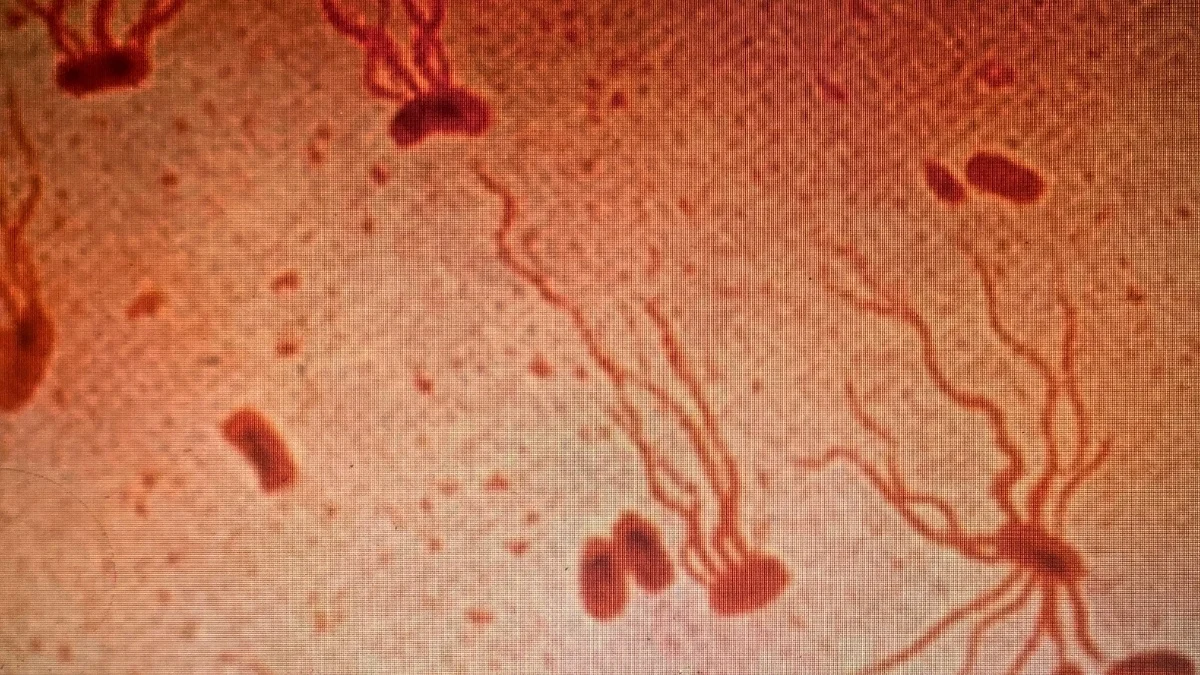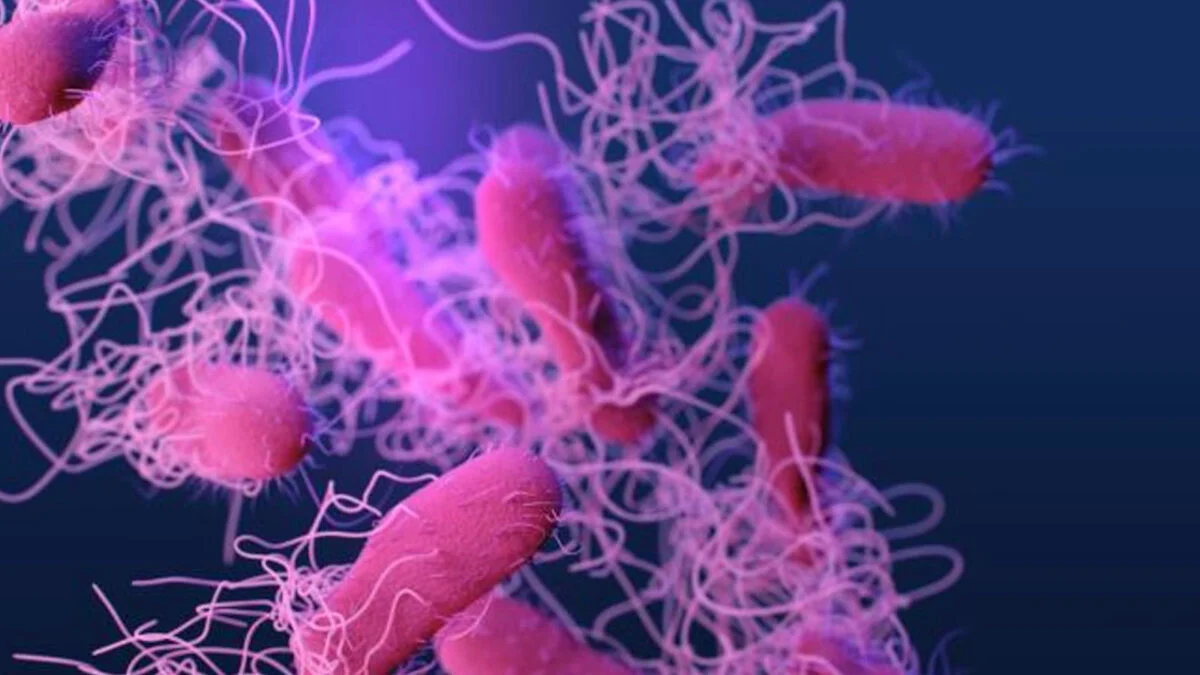
Just about everyone by now knows (in theory) how to solve the increasingly dire problem of antibiotic-resistant diseases: Medical professionals should be more judicious on when exactly to prescribe antibiotics; patients should only take their antibiotics as prescribed; and the factory farms using and abusing antibiotics on their slums of livestock should maybe rethink their approach to animal welfare. This common advice may seem deceptively simple, but it could be obscuring an unexpectedly significant factor driving the global rise of superbug bacteria. That’s according to a sweeping new study in The Lancet Planetary Health that analyzed more than 480,000 Salmonella genomes collected from 139 countries between 1940 and 2023. Researchers with the Chinese Academy of Sciences in Beijing, Cambridge, and Oxford in the U.K., and their international partners say that decades of increasing hothouse temperatures have helped to serve as an incubator, boosting Salmonella’s (and likely other bacteria’s) antimicrobial resistance (AMR).
The past eight decades of Earth’s warming climate were strongly linked to a 10% increase in the quantity of Salmonella strains found with antimicrobial resistance genes (ARGs) worldwide, the study finds. And the association was recorded in 82 of the 100 countries that the researchers focused on to examine more local effects.