By 2050, scientists estimate that antibiotic-resistant infections will be associated with more than eight million deaths around the world every year.
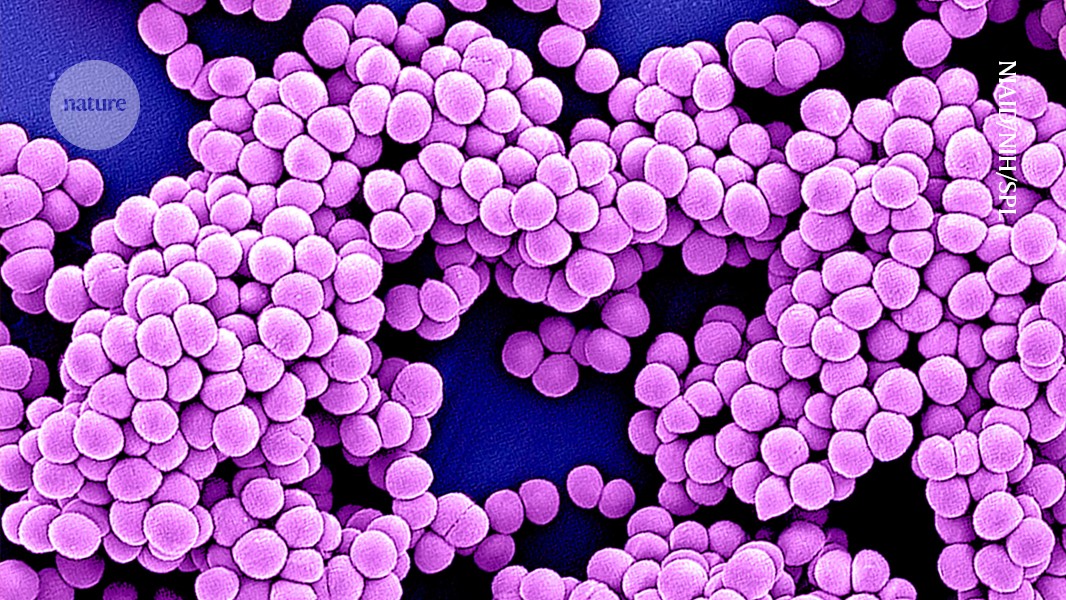
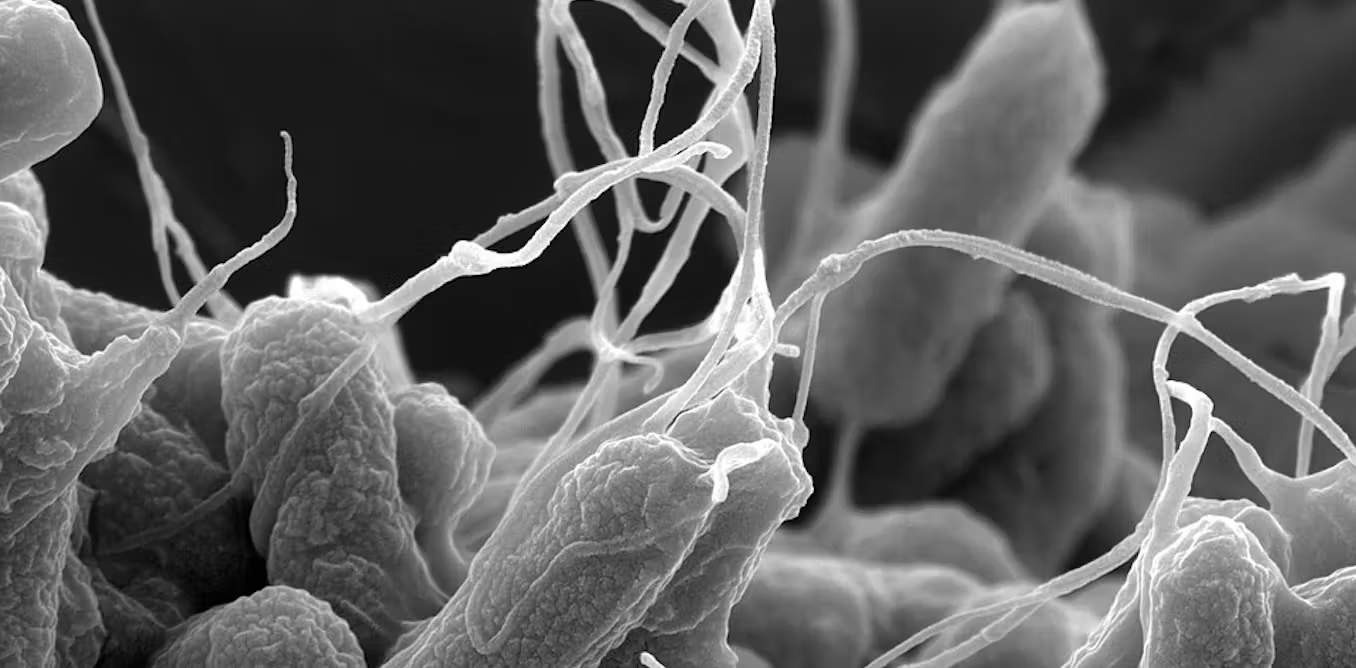
These are bacterial infections that resist traditional antibiotics like penicillin. They can develop when you eat contaminated food, have an open wound or undergo surgery. E. coli is a good example, as several strains have become highly resistant to conventional antibiotics. They can also arrive as secondary infections, like pneumonia after a virus.
Professor Alexander Fleming, who first discovered penicillin, in his laboratory at St Mary’s, Paddington, London (1943).
(Wikimedia Commons), CC BY
We need new antibiotics and designing them is difficult.