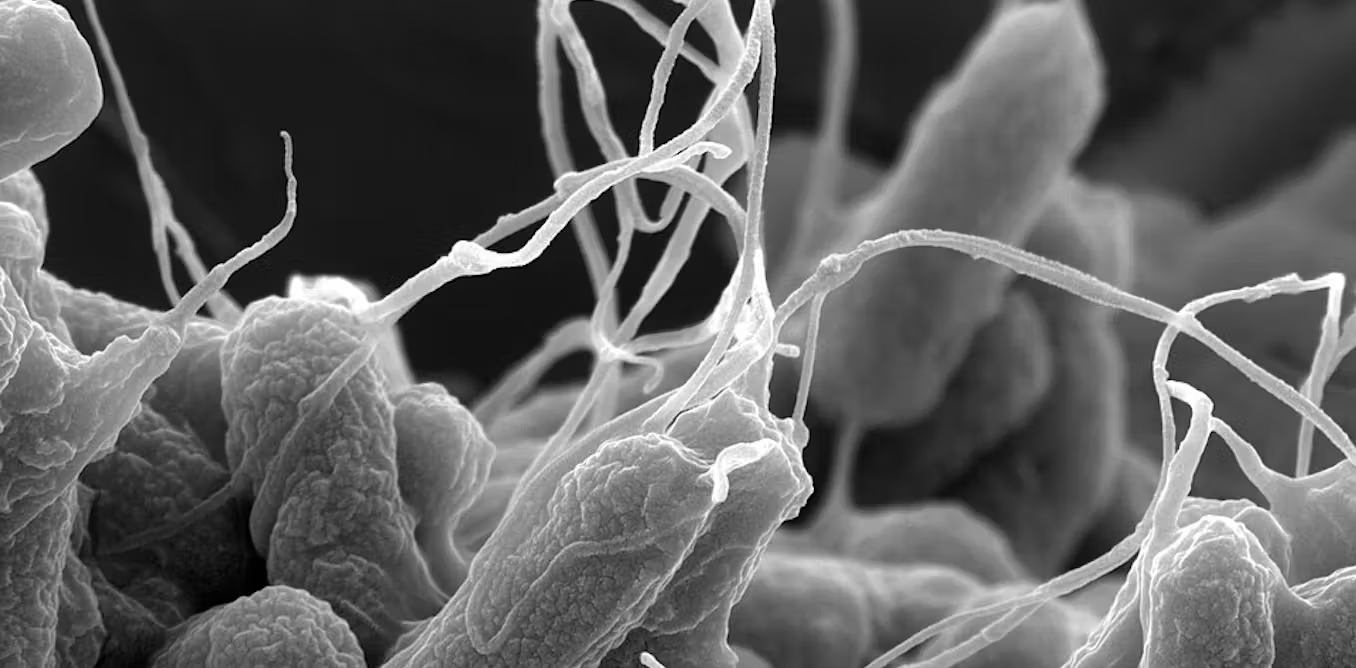
Researchers at the University of Pennsylvania have developed ApexGO, a novel, AI-powered method for turning promising but imperfect antibiotic candidates into more potent ones.
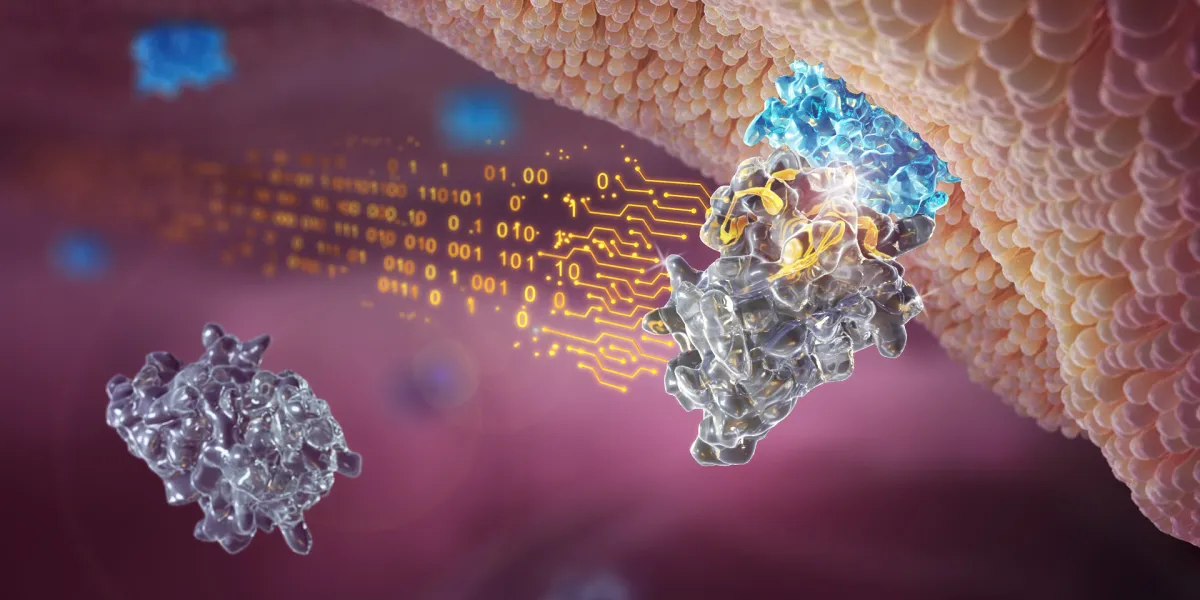
Unlike many existing AI approaches to antibiotic discovery, which screen large databases for molecules that might work, ApexGO starts with a small number of imperfect candidates and improves them step by step, using a predictive algorithm to evaluate each modification and guide the next.
“Antibiotic discovery is fundamentally a search problem across an enormous molecular space. ApexGO gives us a way to navigate that space with far more direction,” says César de la Fuente, Presidential Associate Professor in Psychiatry and Microbiology in the Perelman School of Medicine, in Bioengineering and in Chemical and Biomolecular Engineering in the School of Engineering and Applied Science, and in Chemistry in the School of Arts & Sciences, and co-senior author of a new paper describing the method in Nature Machine Intelligence.
“ApexGO begins with a promising but imperfect peptide,” explains de la Fuente, referring to a short string of amino acids, “proposes precise edits, predicts whether those changes are likely to enhance antimicrobial activity, and then keeps moving toward versions that are more likely to work when we make and test them.”