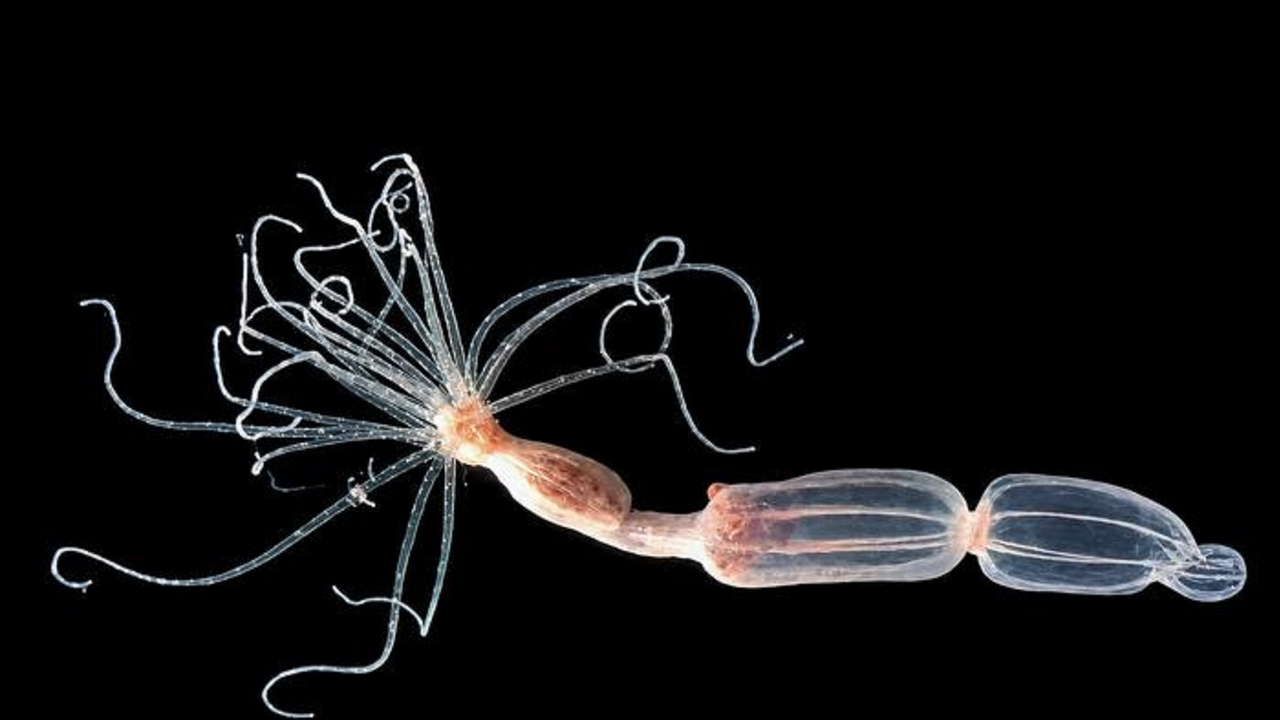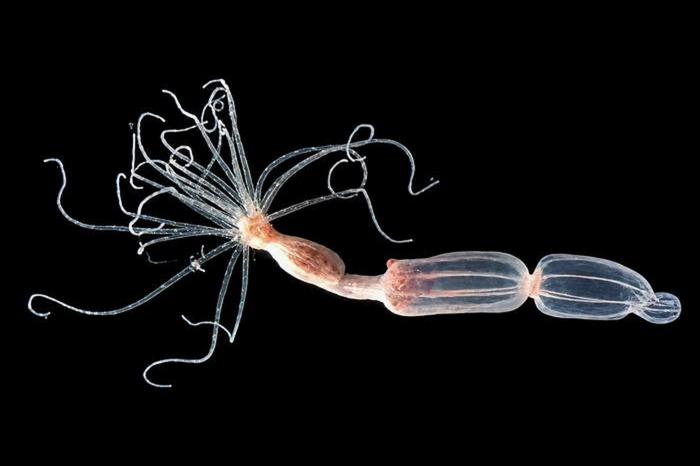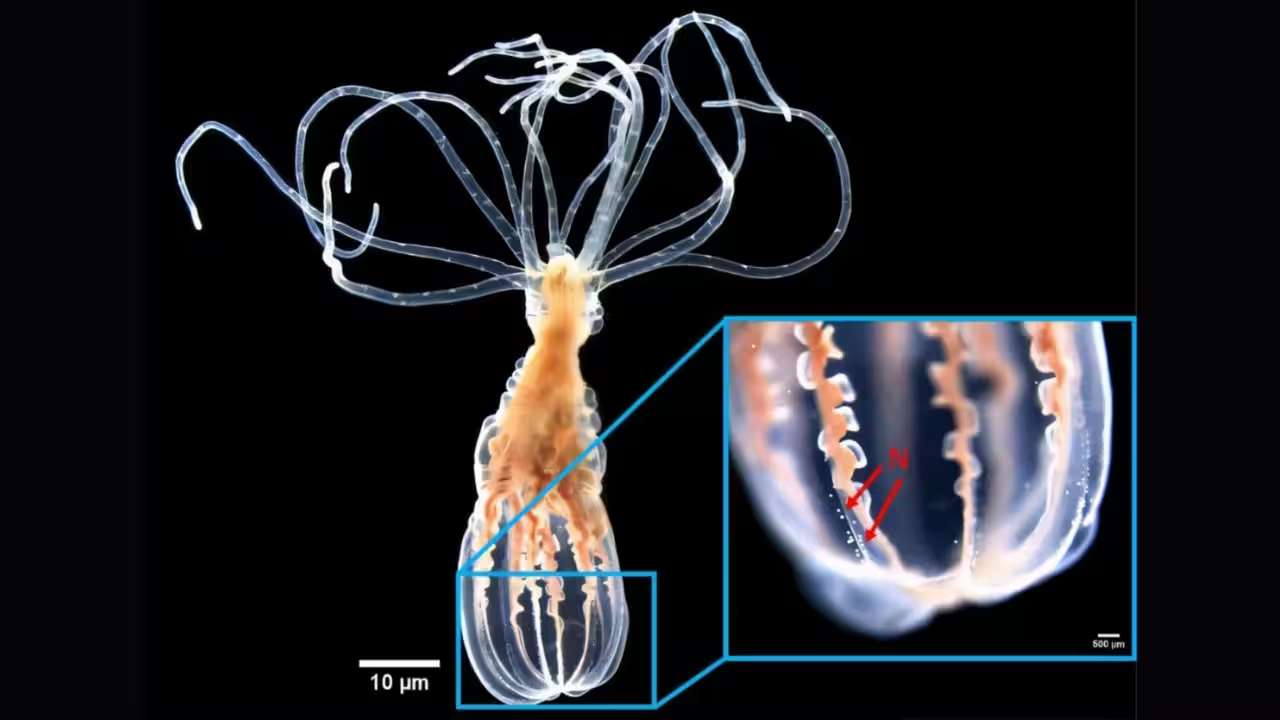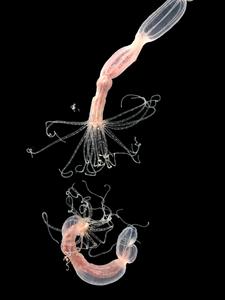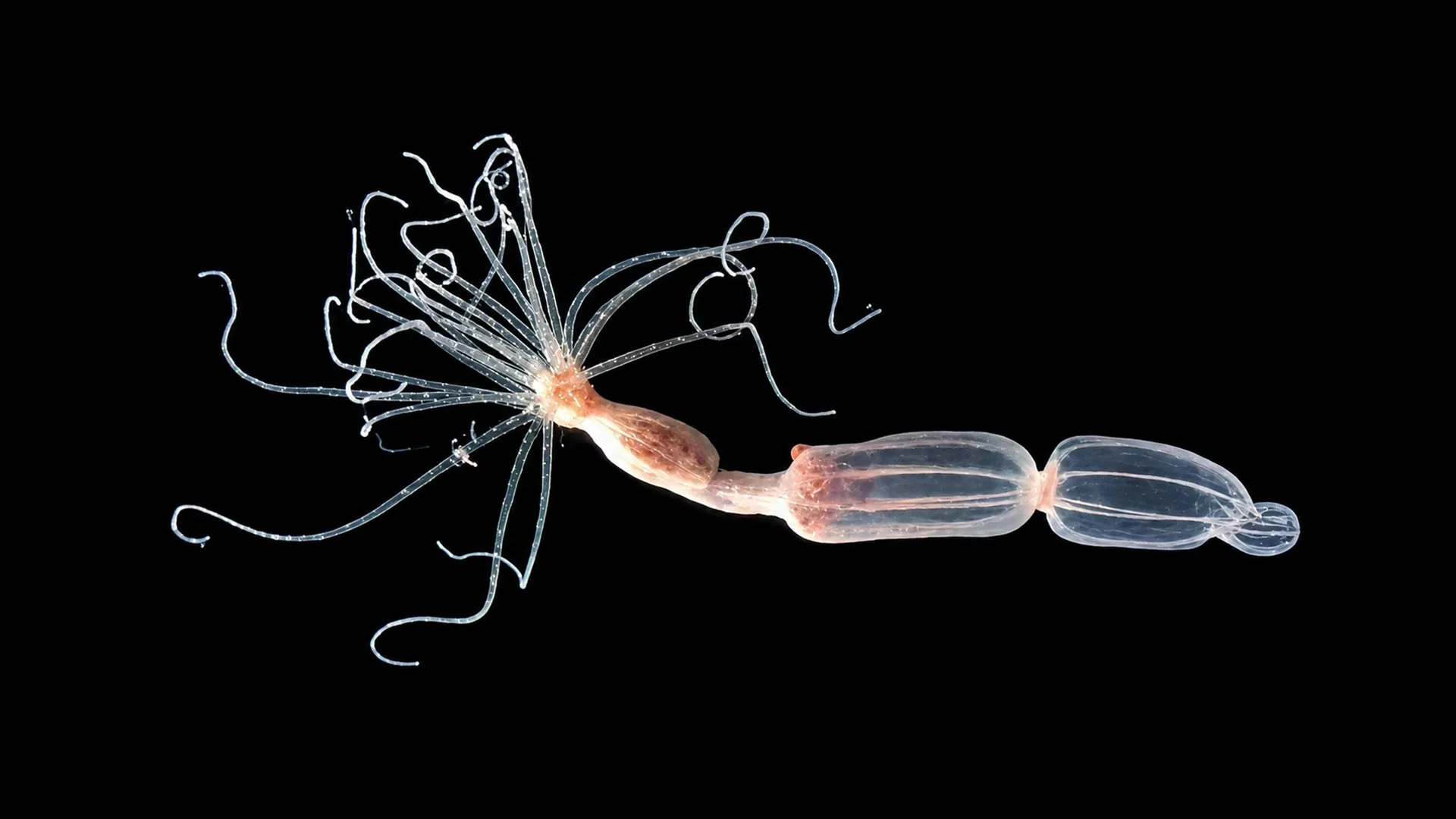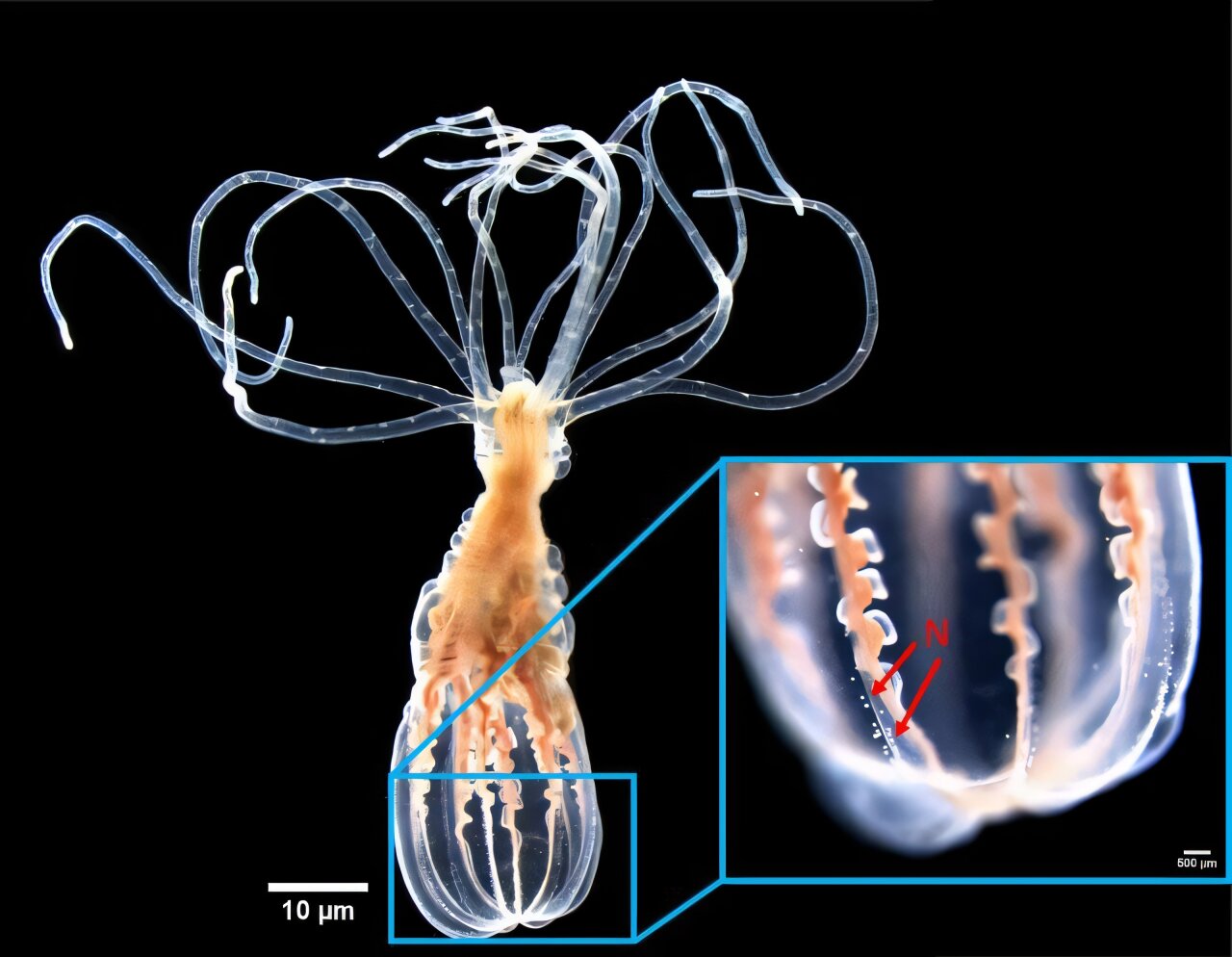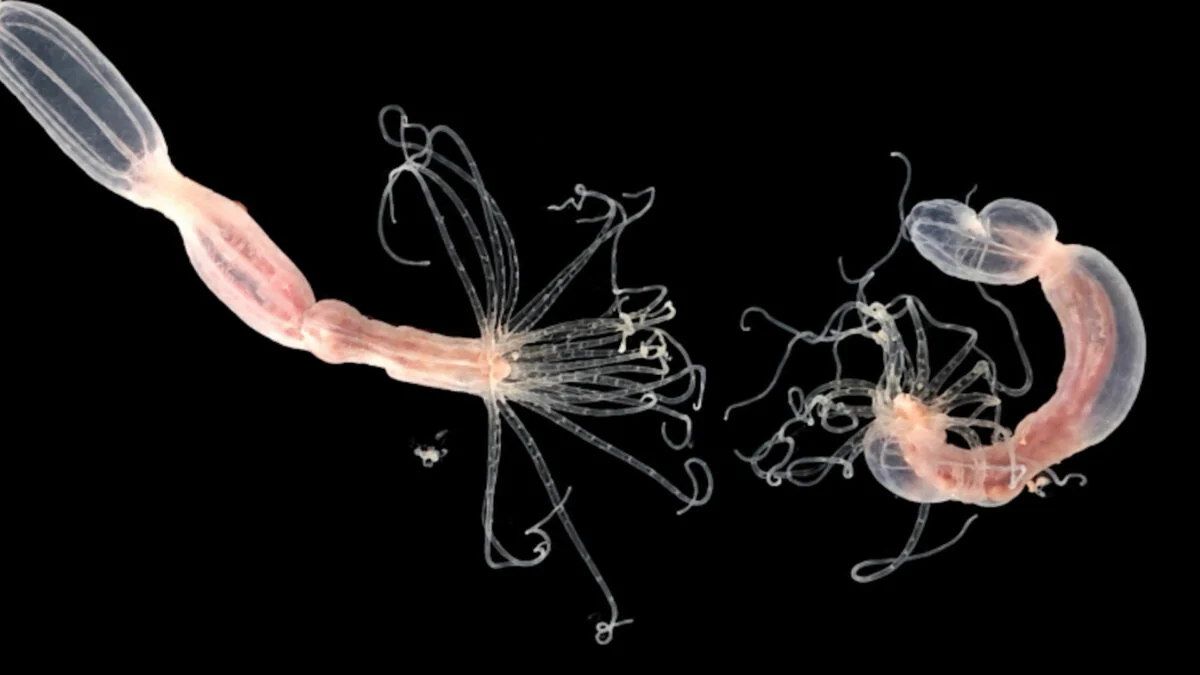
Floating outside the salt marsh silt it usually nestles in, the starlet sea anemone (Nematostella vectensis) looks a little bit like a miniature squid or those alien heptapods from Arrival (2016). This tiny, translucent, tentacle monster has teetered on the verge of endangered status for decades—despite a healthy population now grown as a “model organism” for lab experiments. But researchers at the Hebrew University of Jerusalem and the University of North Carolina at Charlotte have discovered something incredible within this sea anemone’s immune system, which might change both how humanity protects these creatures and modern medicine: N. vectensis produces a previously unknown protein, called the “CARD Inhibitor Binding protein,” which boosts its protection against viral infections. The protein constitutes “an ancient mechanism,” as the study’s lead author Ton Sharoni and his colleagues put it in their new paper, a long hidden parallel track in immune system evolution that could revolutionize treatments against viruses. “Humans and sea anemones both need protection from viruses, but this work shows that evolution can organize those defenses in fundamentally different ways,” experimental biologist Yehu Moran, Sharoni’s co-lead author, explained in a statement.
A Sea Anemone Uses CARDIB to Fight Viruses—and It's Even More Bizarre Than It Sounds
Teetering near endangered status, the starlet sea anemone produces “an ancient mechanism” for fighting viruses that researchers called “counterintuitive.”
695 words~3 min read