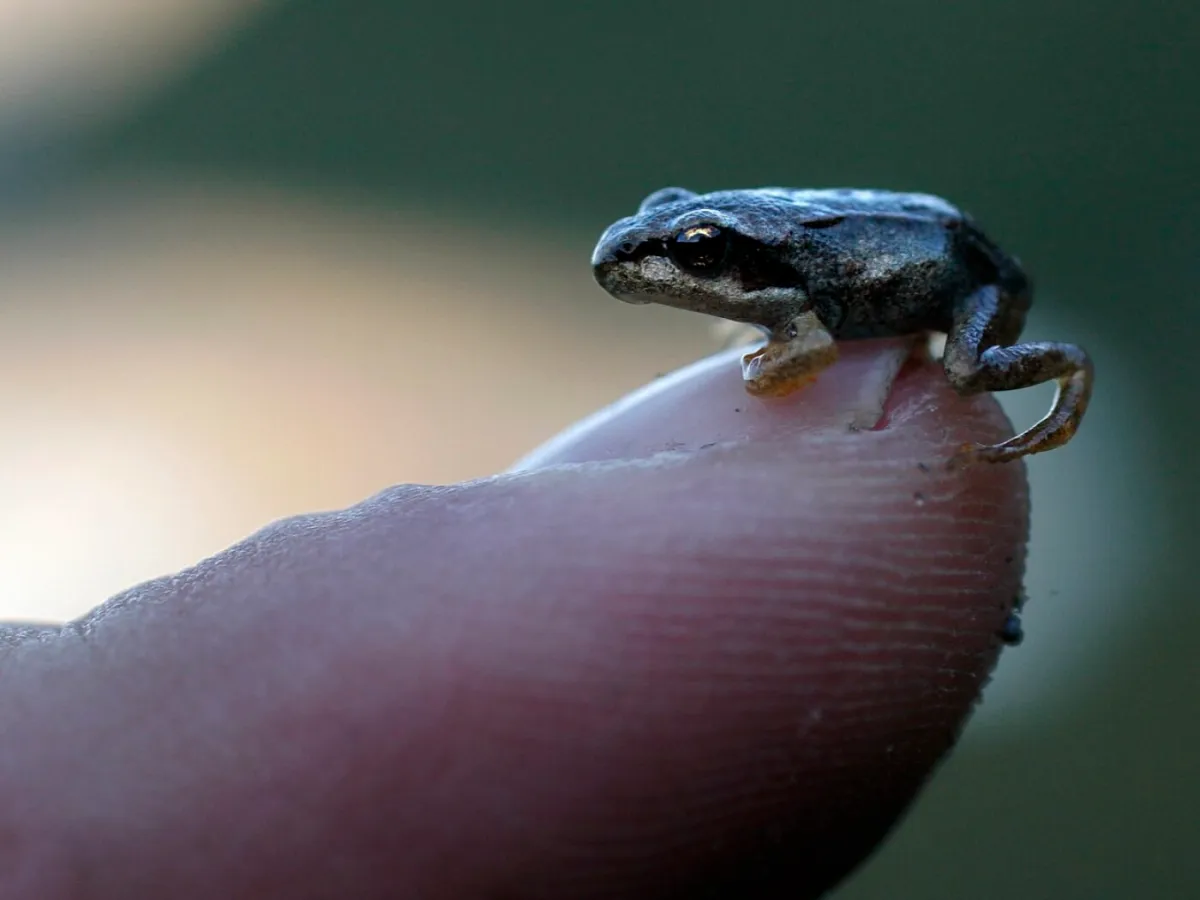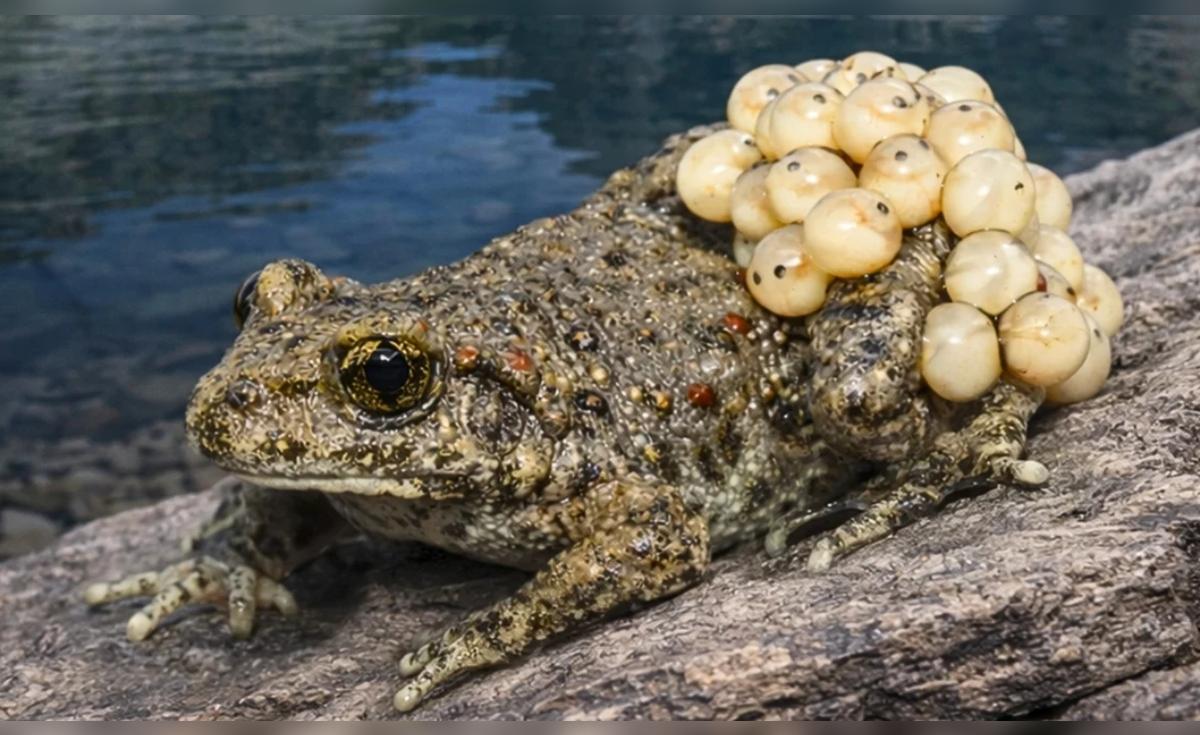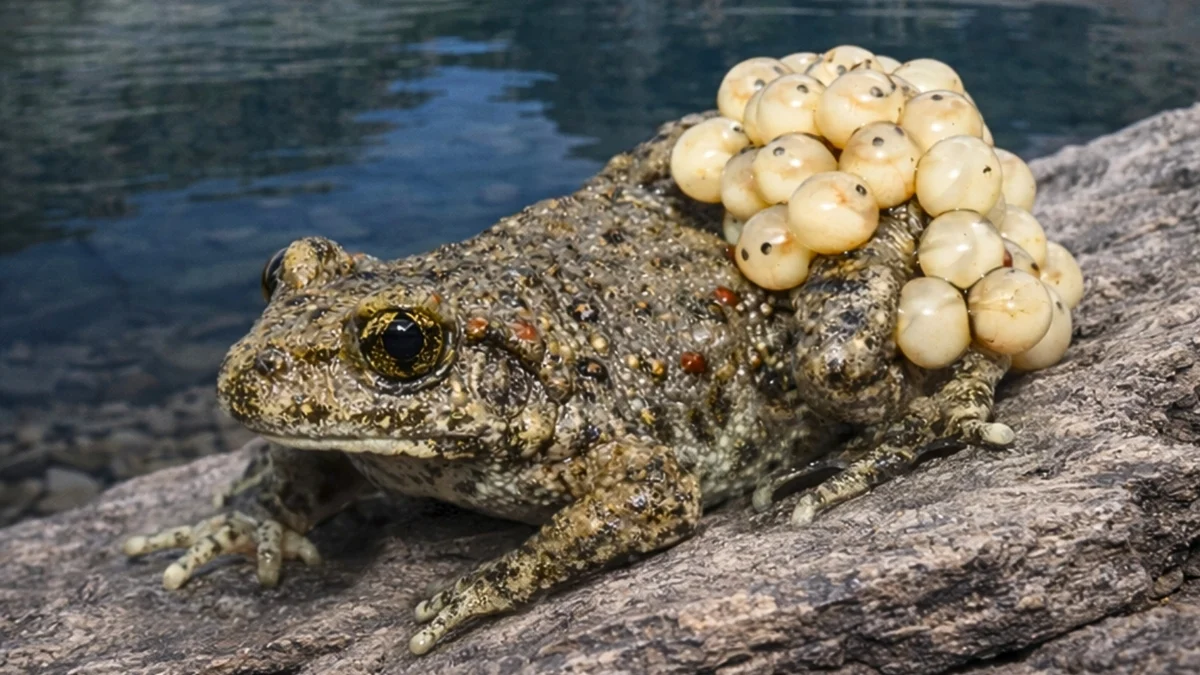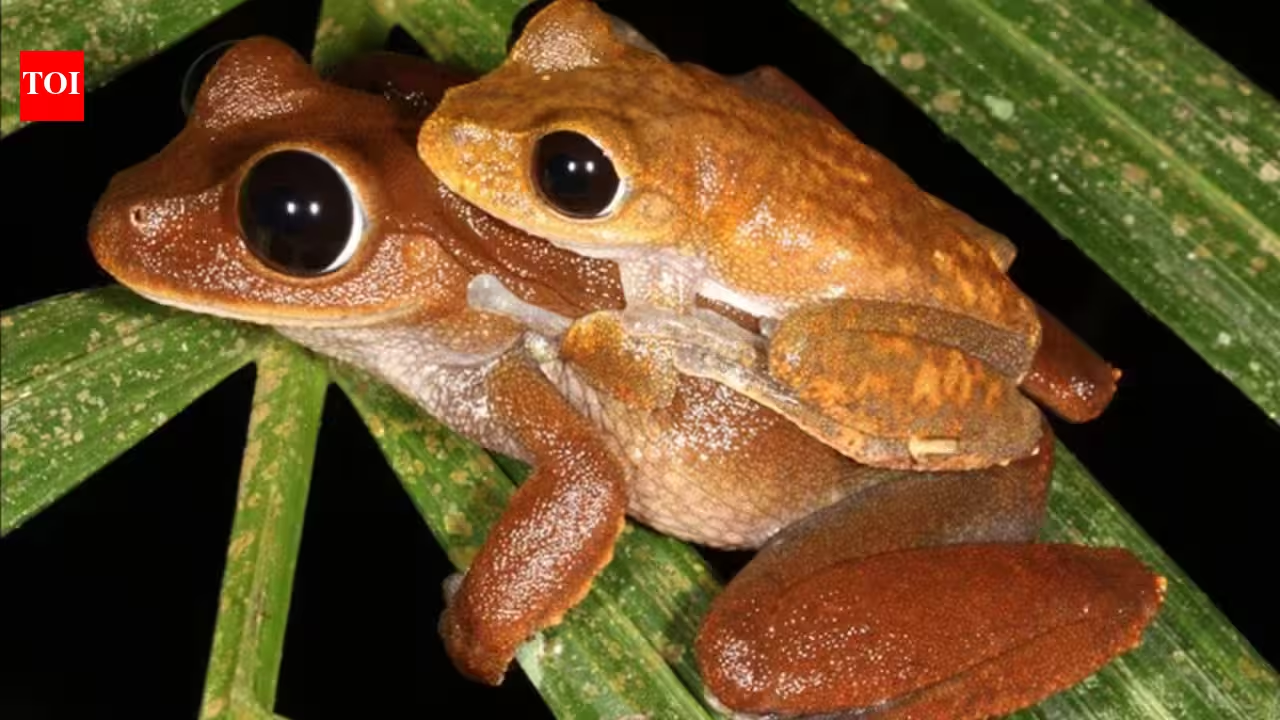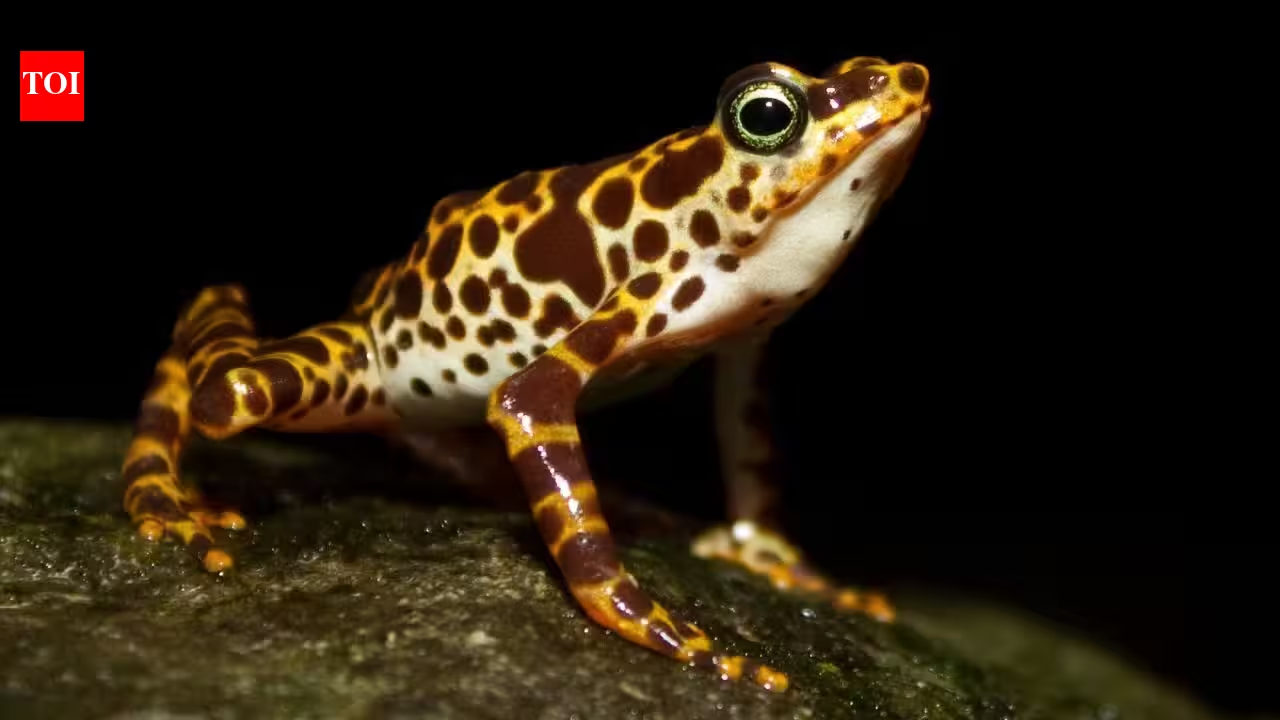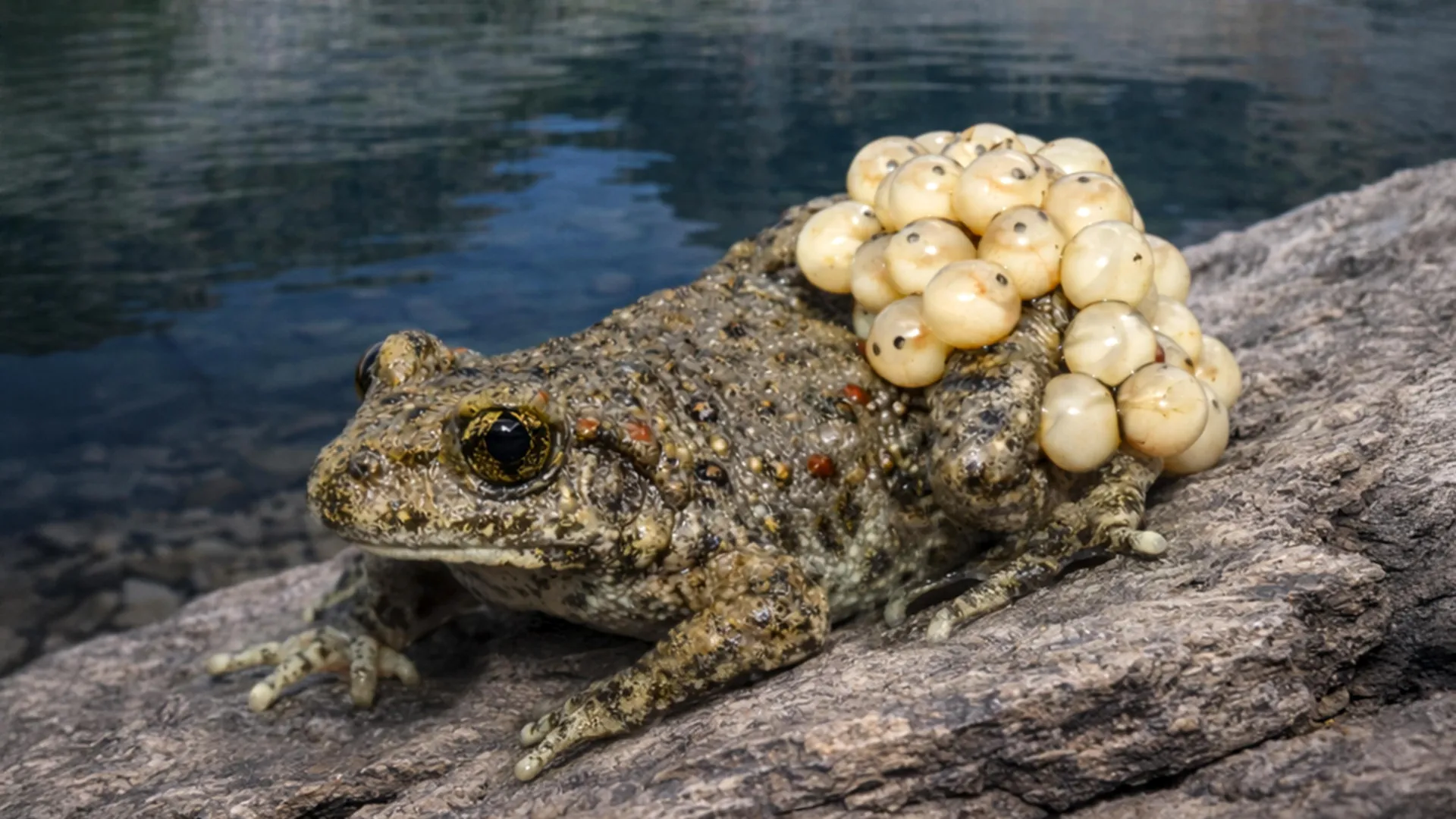
Scientists have uncovered why some amphibian populations rebound after being devastated by a deadly fungal disease that has wiped out frogs and toads around the world.
The research, led by University College London (UCL), ZSL, and Imperial College London, found that the timing of an amphibian's immune development plays a critical role in whether it survives infection. The findings were published in the journal Nature Chemical Biology.
A Deadly Fungus That Targets Adult Amphibians
The chytrid fungus, Batrachochytrium dendrobatidis (Bd), has caused catastrophic declines in amphibian populations across the globe. The fungus is responsible for chytridiomycosis, a disease that damages the skin of frogs and toads and disrupts their ability to regulate water, salts, and minerals.
Young amphibians are largely protected because tadpoles and larvae lack the keratin rich skin that Bd feeds on. Once they transform into adults and their skin becomes keratinized, they become vulnerable to infection, often leading to mass die offs.