view more
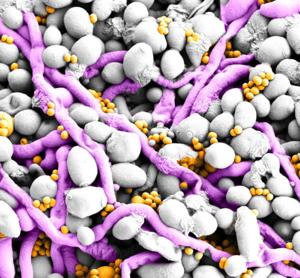
Scientists have discovered that two common human pathogens can work together by managing copper in their shared environment - a finding that could open new ways to break down stubborn mixed biofilms.
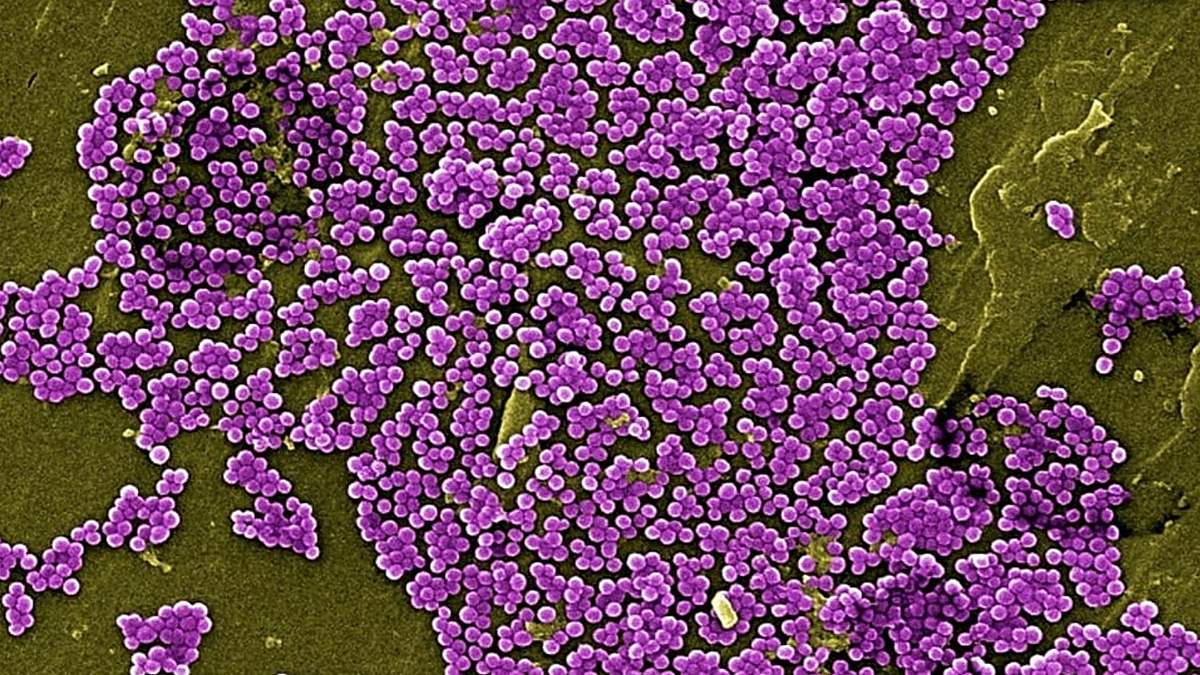
The fungus Candida albicans and the bacterium Staphylococcus aureus are both major causes of human infection. They are also found together in complex infections, including wounds, bloodstream infections and infections linked to medical devices.
When microbes form biofilms, they grow as surface-attached communities that can be difficult to treat. Mixed fungal-bacterial biofilms are especially challenging because different organisms can protect or support one another, making infections harder to clear.
Now, researchers led by Dr Seána Duggan, from the University of Exeter’s MRC Centre for Medical Mycology, have discovered that copper plays a central role in this fungal-bacterial partnership. The study, supported by the NIHR Exeter Biomedical Research Centre, reveals what the team describes as a microbial “copper economy”, in which the fungus and bacterium handle copper in different but complementary ways.