Scientists have uncovered evidence that tiny microbes living inside fish may be helping drive important processes that affect the world's oceans.
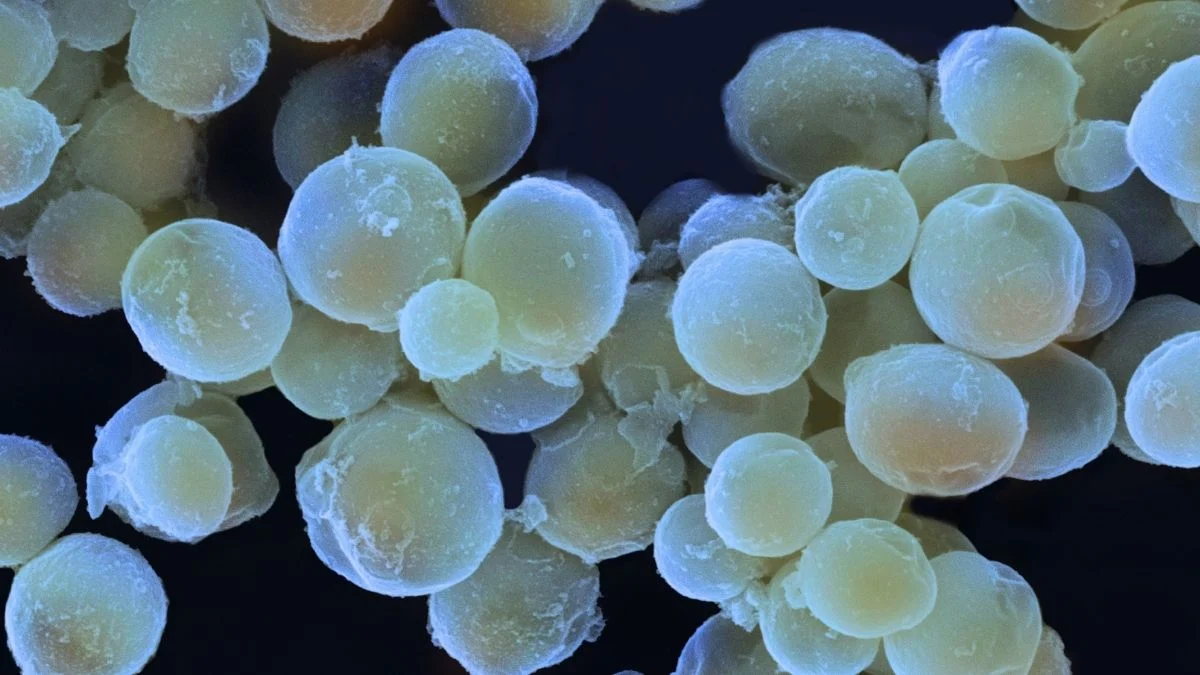
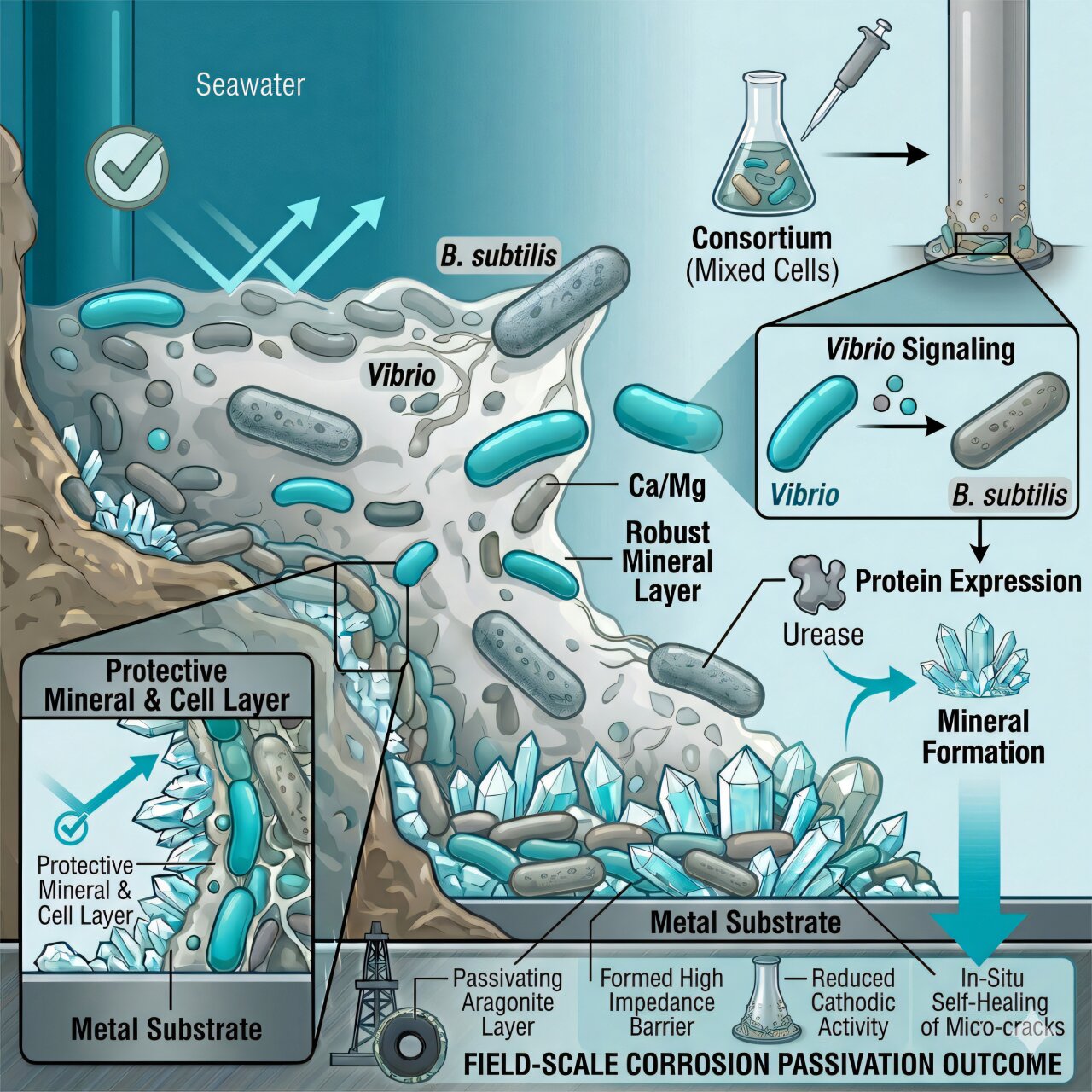
The research, led by former University of Miami graduate student Anthony Bonacolta, suggests that gut bacteria and marine fish work together to produce calcium carbonate, a mineral that plays a significant role in ocean chemistry and the marine carbon cycle. The findings point to a previously overlooked partnership that could influence how oceans store carbon and maintain overall health.
Researchers have long believed that this mineral production was controlled mainly by the fish themselves. The new study indicates that microbes living in the fish intestine may also be essential participants in the process.
Fish and Microbes Working Together
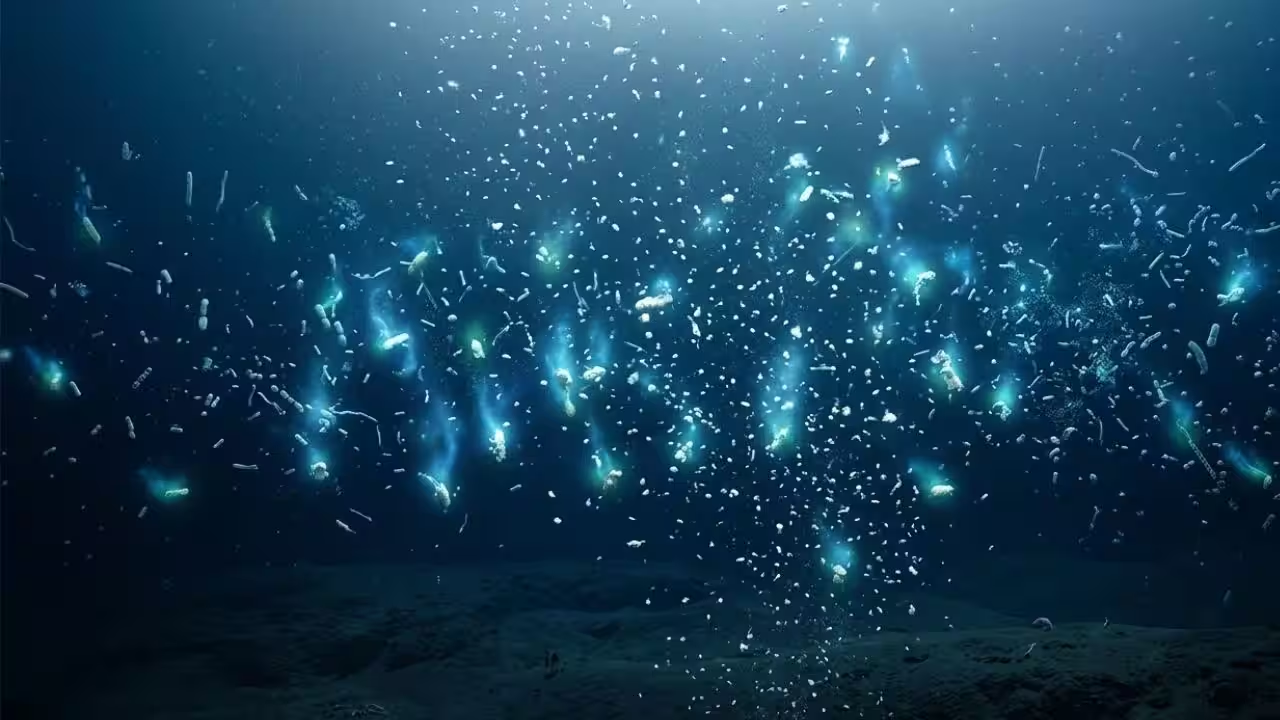
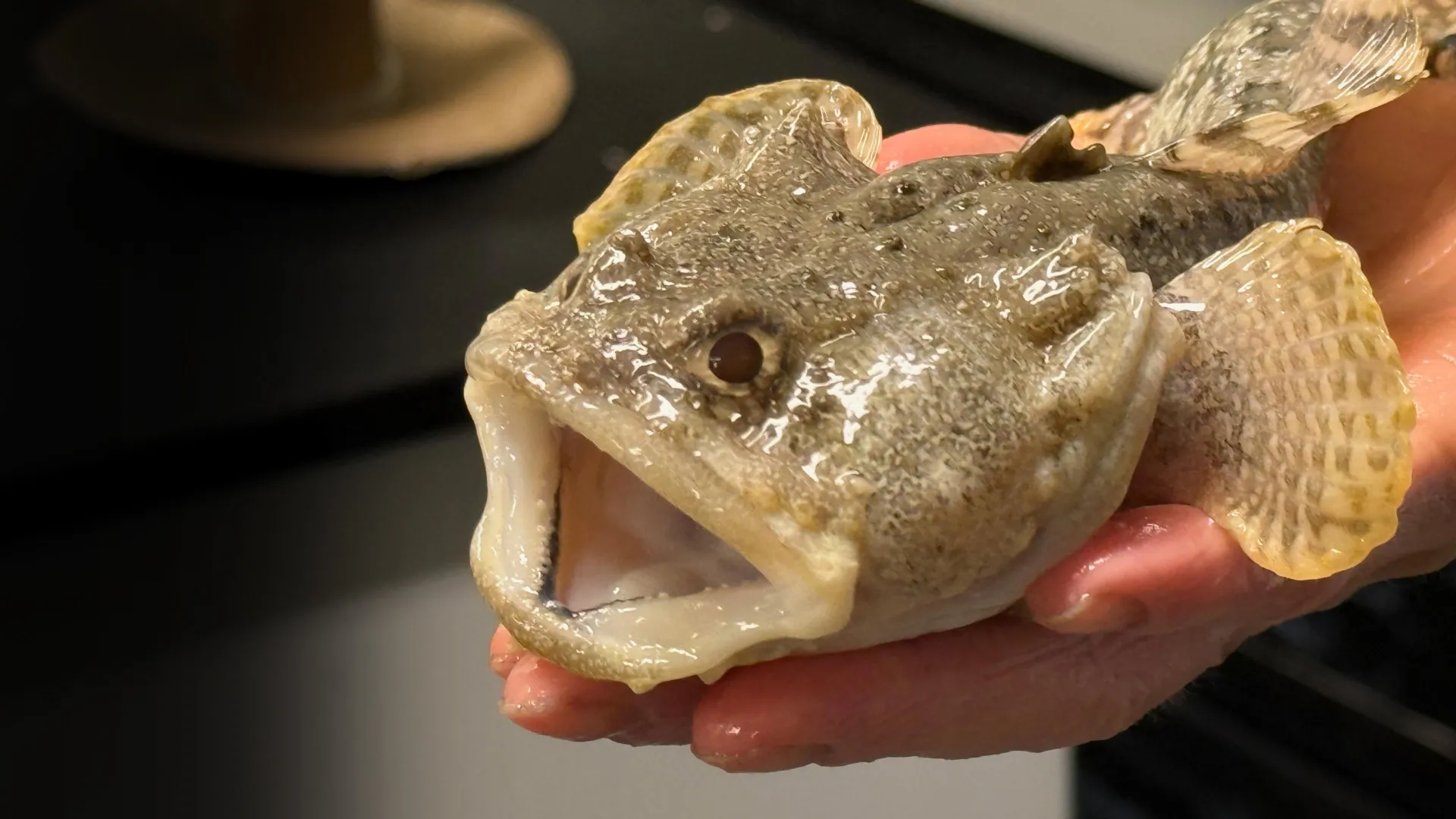
Bony fish, known as teleosts, constantly drink seawater to maintain proper hydration. As they process that seawater, excess calcium and carbonate ions are removed from the body and released as solid calcium carbonate pellets called ichthyocarbonates.