Scientists are only beginning to grasp the scale of the issue and understand what impact the tree frogs may have on the islands’ rare wildlife
O
n the way to her office at the Charles Darwin research station, biologist Miriam San José crouches down near a shallow pond shrouded by vegetation and reaches deep into the foliage, pulling out a small green plastic box recorder.
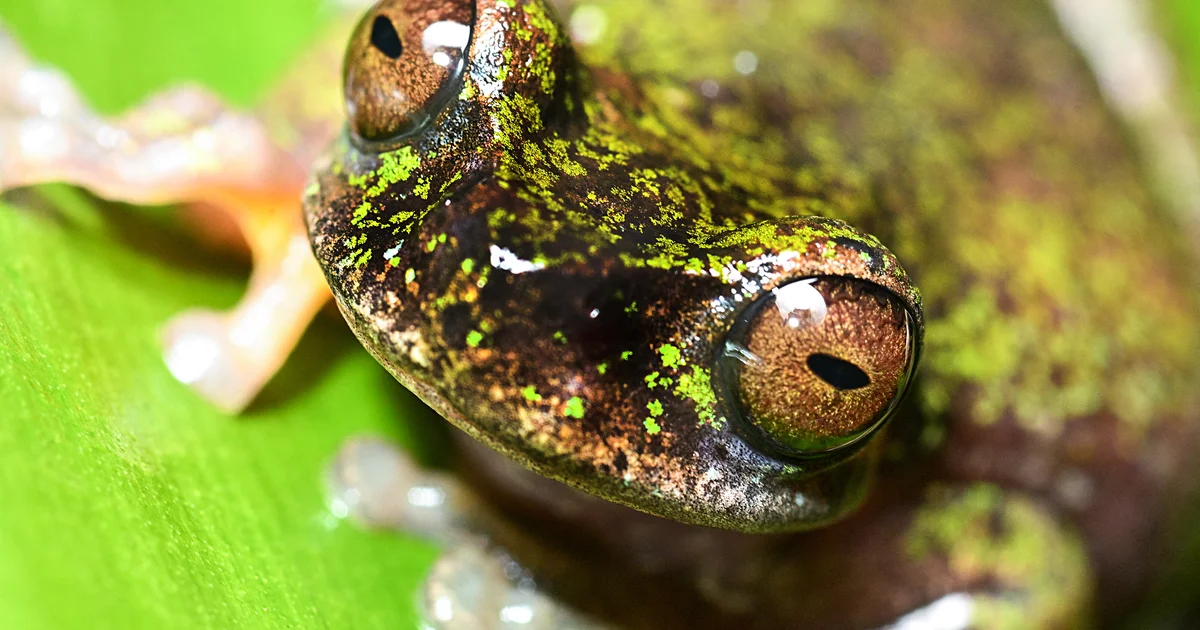
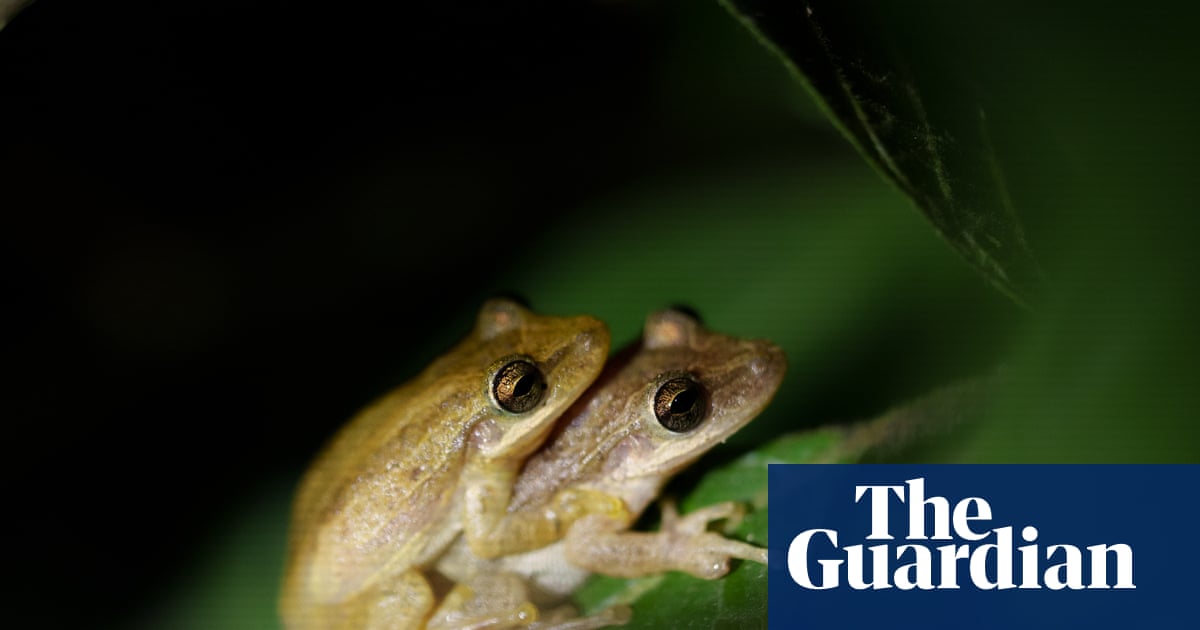
She left it there overnight to capture the infamous croaks of a Fowler’s snouted treefrog (Scinax quinquefasciatus), known to Galápagos scientists as an invasive threat, with repercussions researchers are only beginning to grasp.
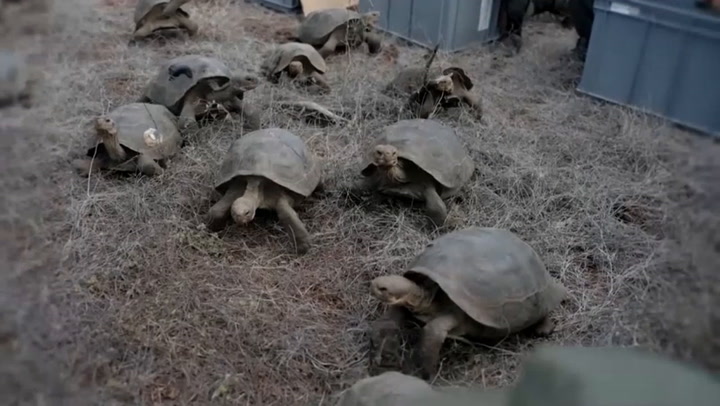
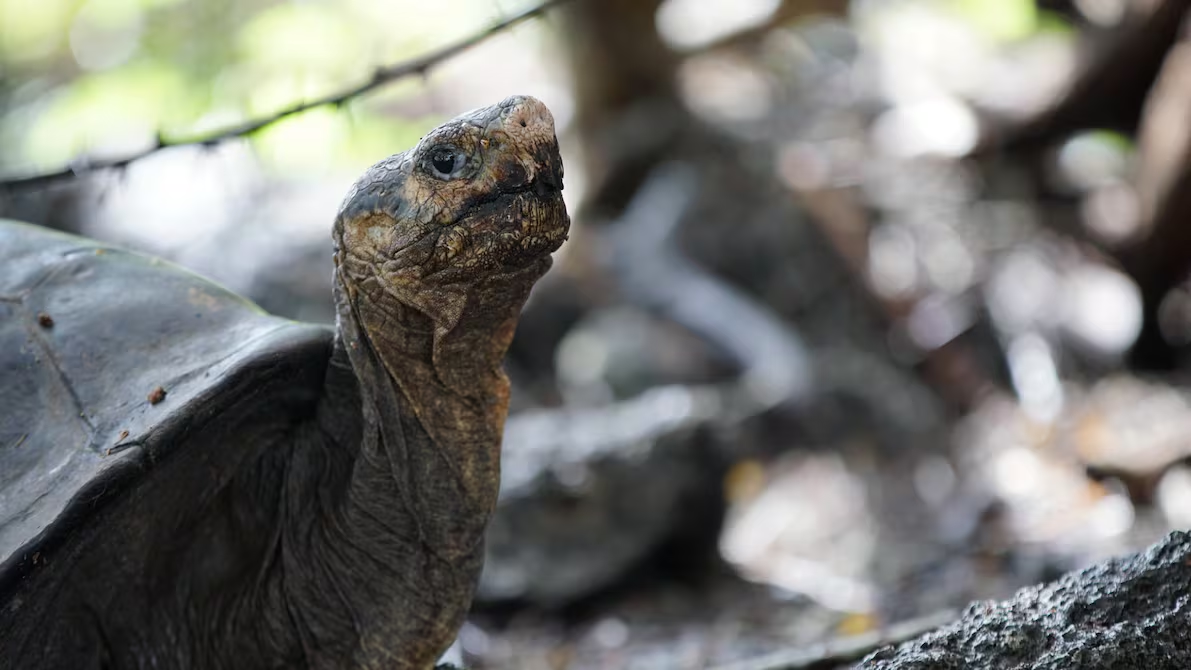
Despite abounding with wildlife – centuries-old giant tortoises, swimming iguanas, and the finches that sparked Darwin’s theory of evolution – the Galápagos archipelago off the coast of Ecuador has long been free from amphibians. Until recently, no frogs, toads, newts, or salamanders waddled or hopped on its volcanic islands.