Subspecies driven to extinction by hungry whalers returns after ‘back breeding’ programme using partial descendants
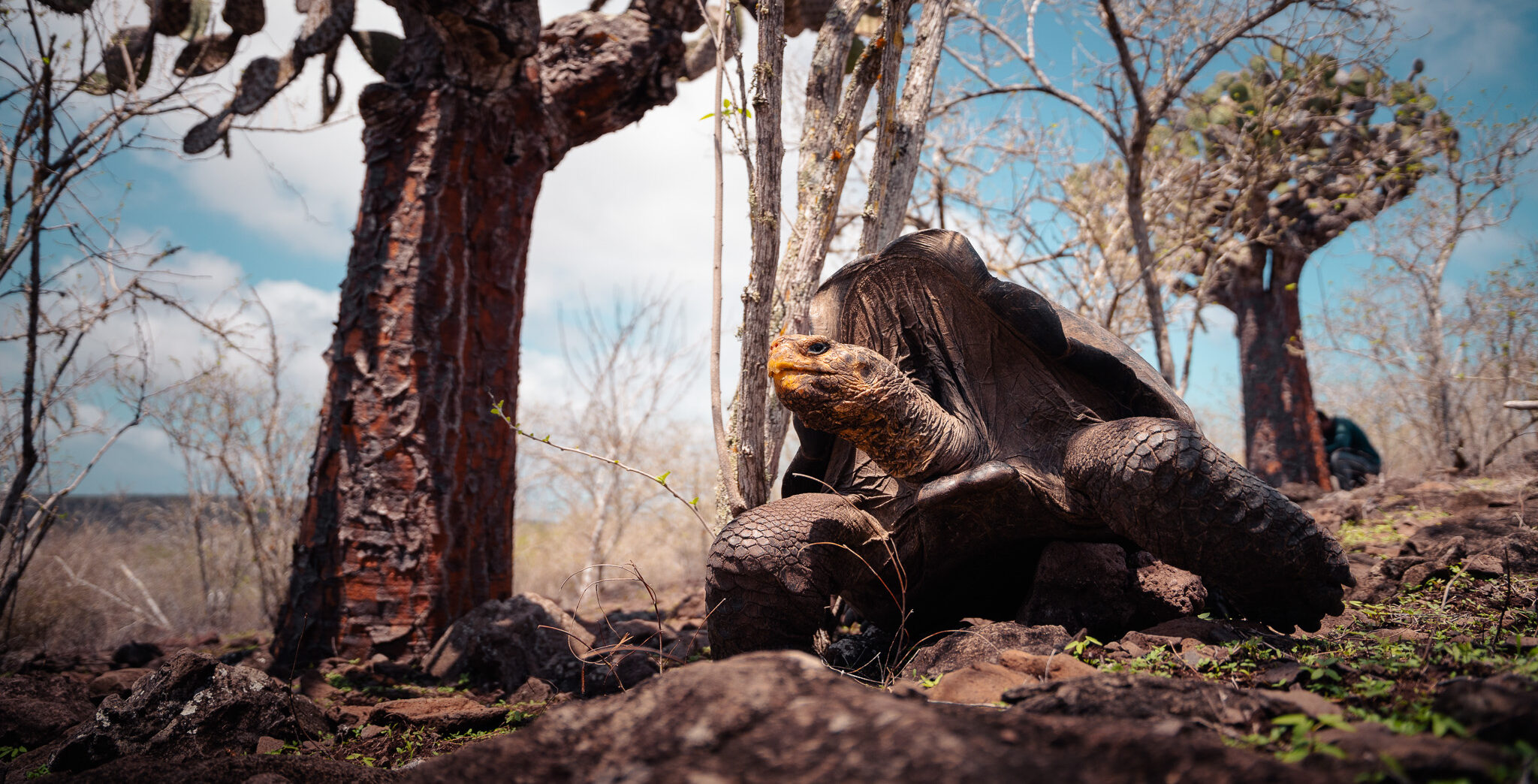
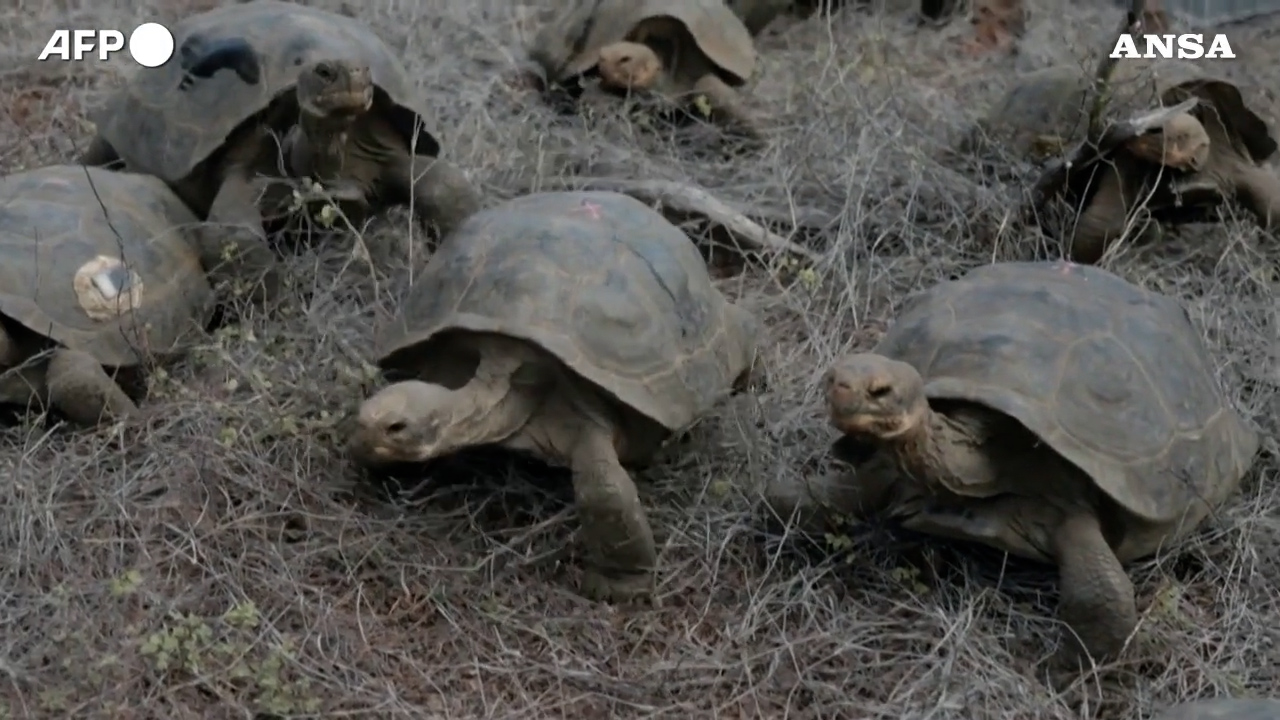
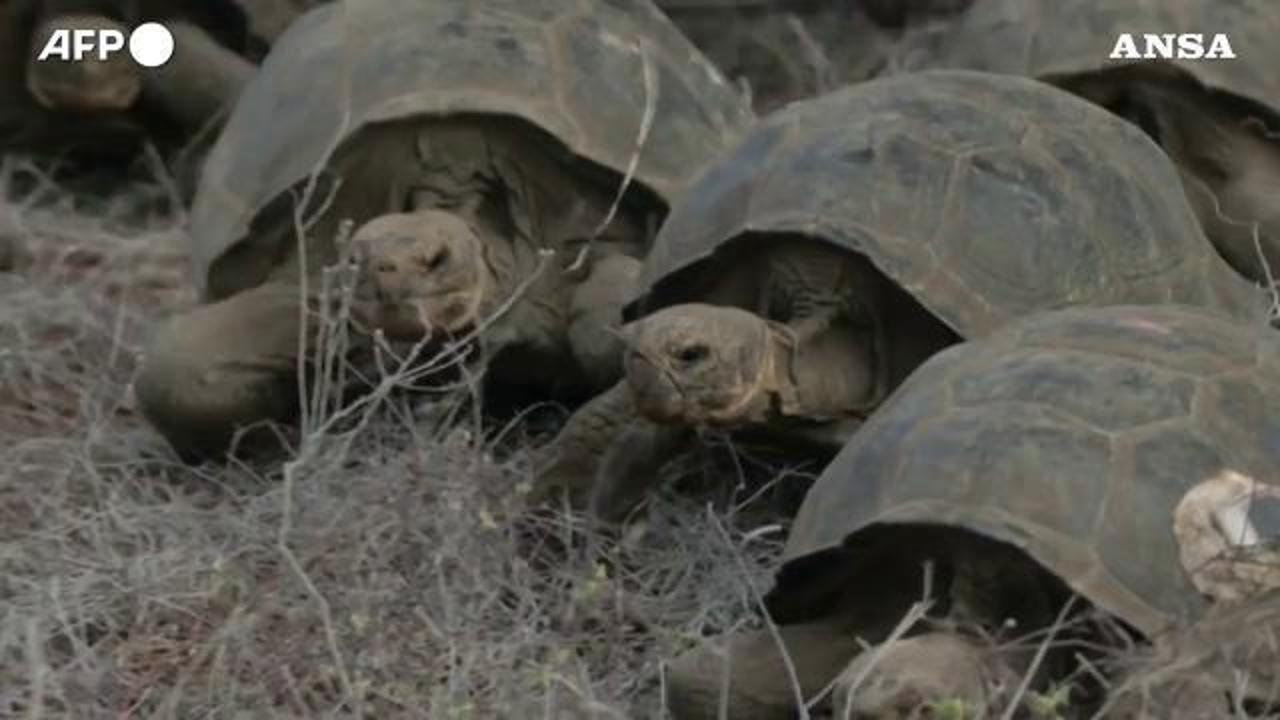
Giant tortoises, the life-giving engineers of remote small island ecosystems, are plodding over the Galápagos island of Floreana for the first time in more than 180 years.
The Floreana giant tortoise (Chelonoidis niger niger), a subspecies of the giant tortoise once found across the Galápagos, was driven to extinction in the 1840s by whalers who removed thousands from the volcanic island to provide a living larder during their hunting voyages.
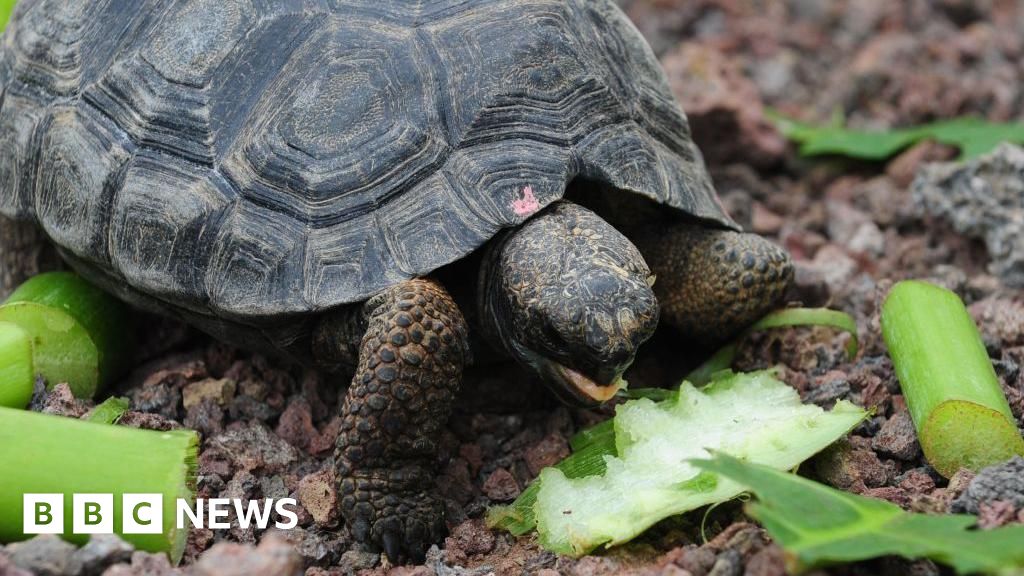
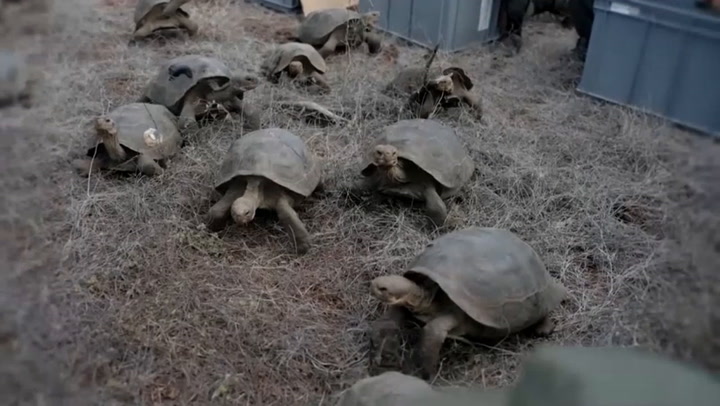
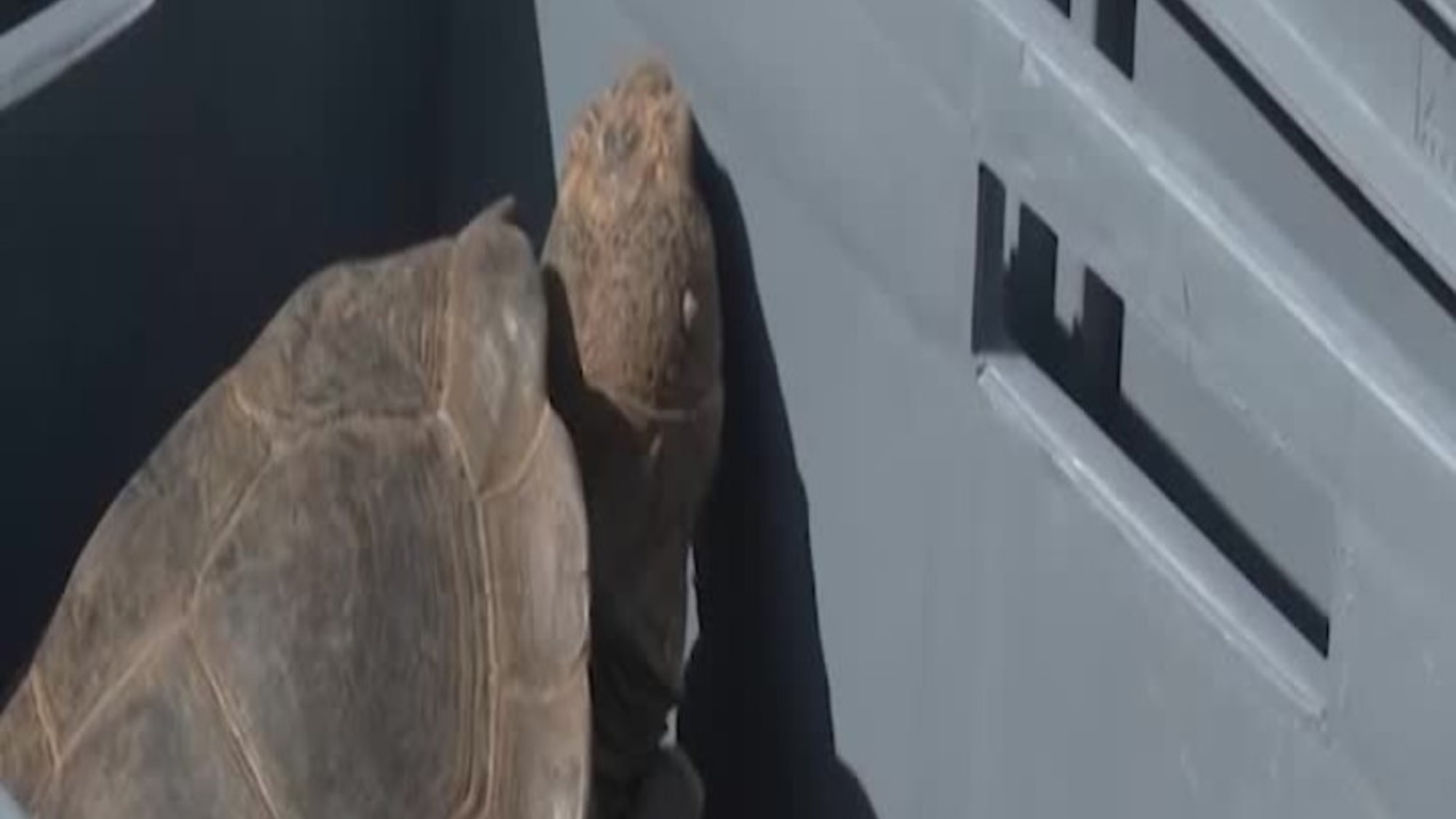
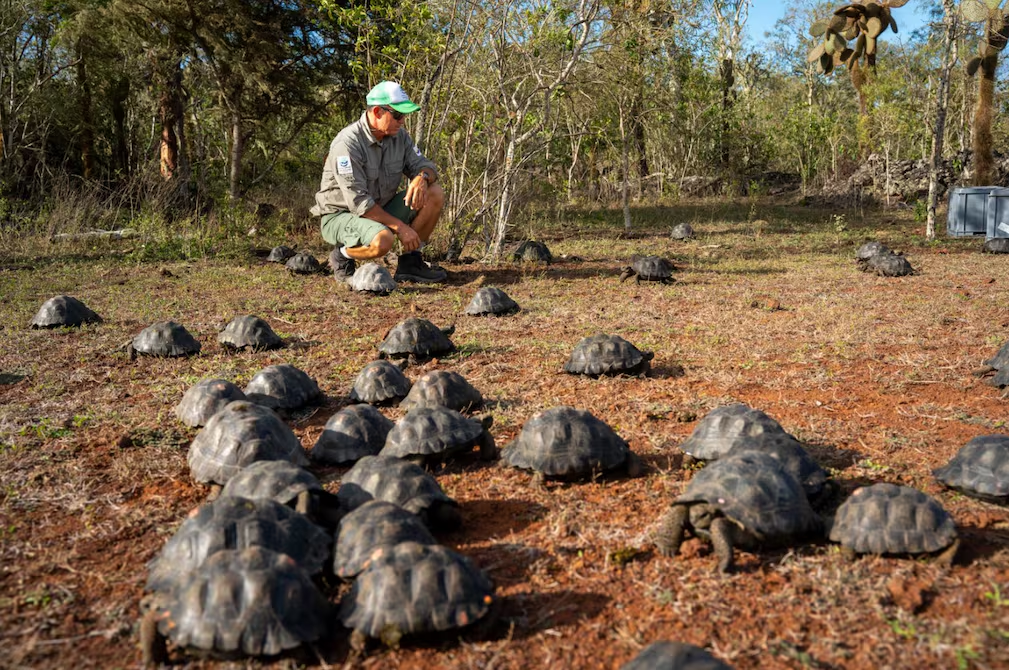
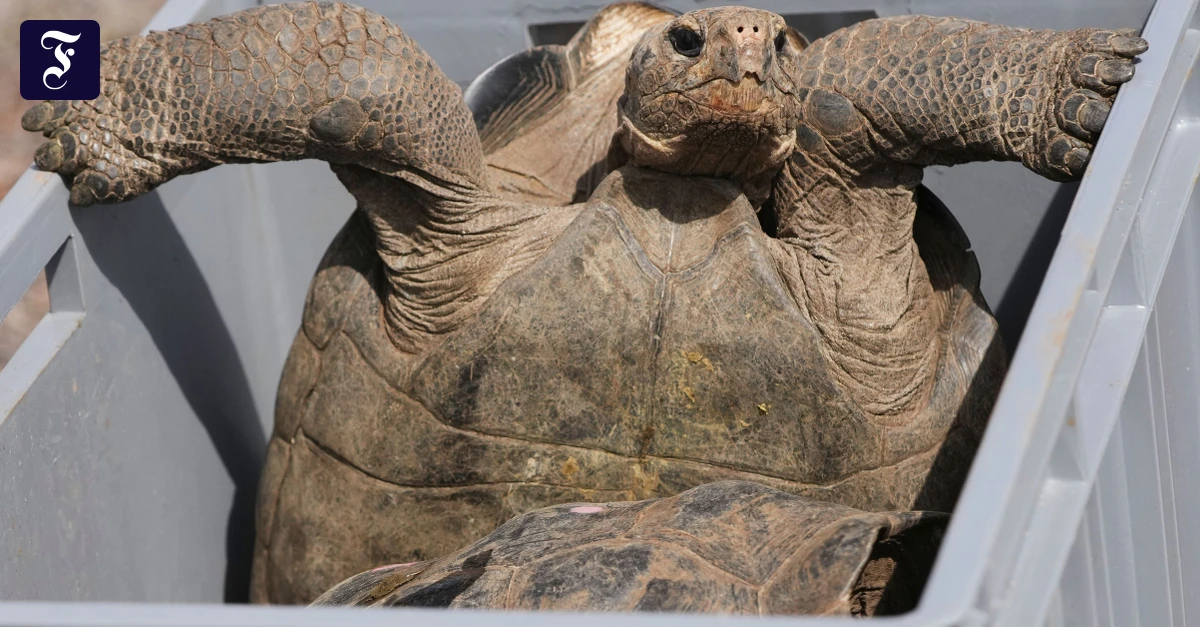
Remarkably, 158 juvenile giant tortoises descended from the Floreana subspecies have been returned to the island in a vital step for the largest ecological restoration project undertaken on the Pacific Ocean archipelago.
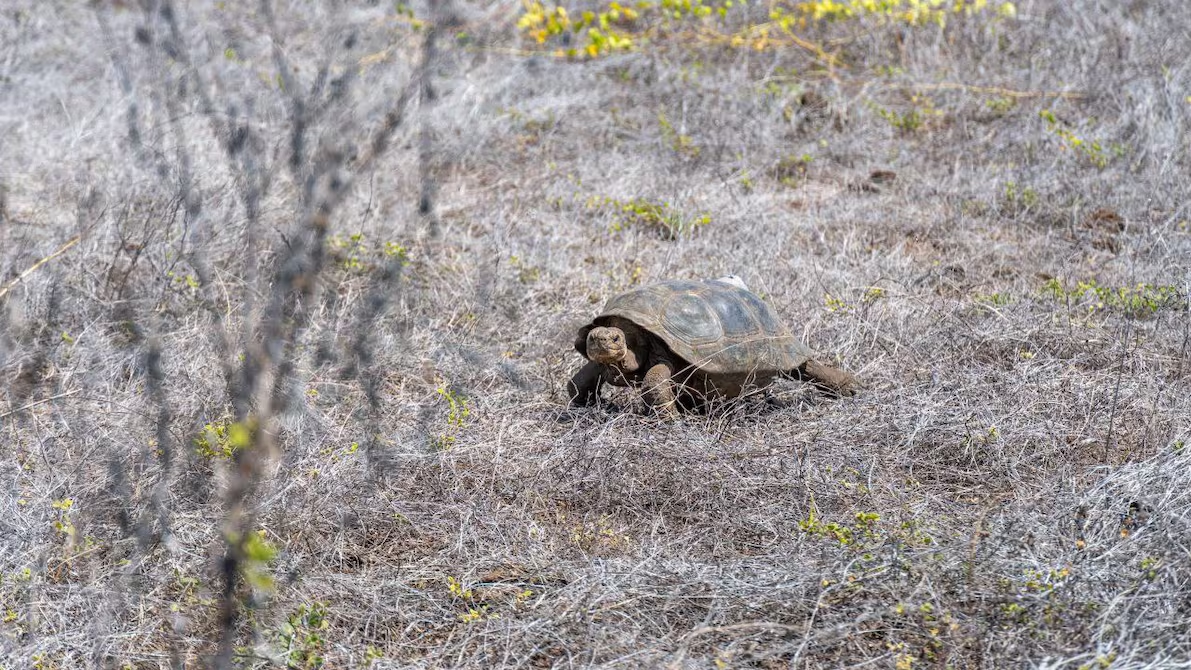
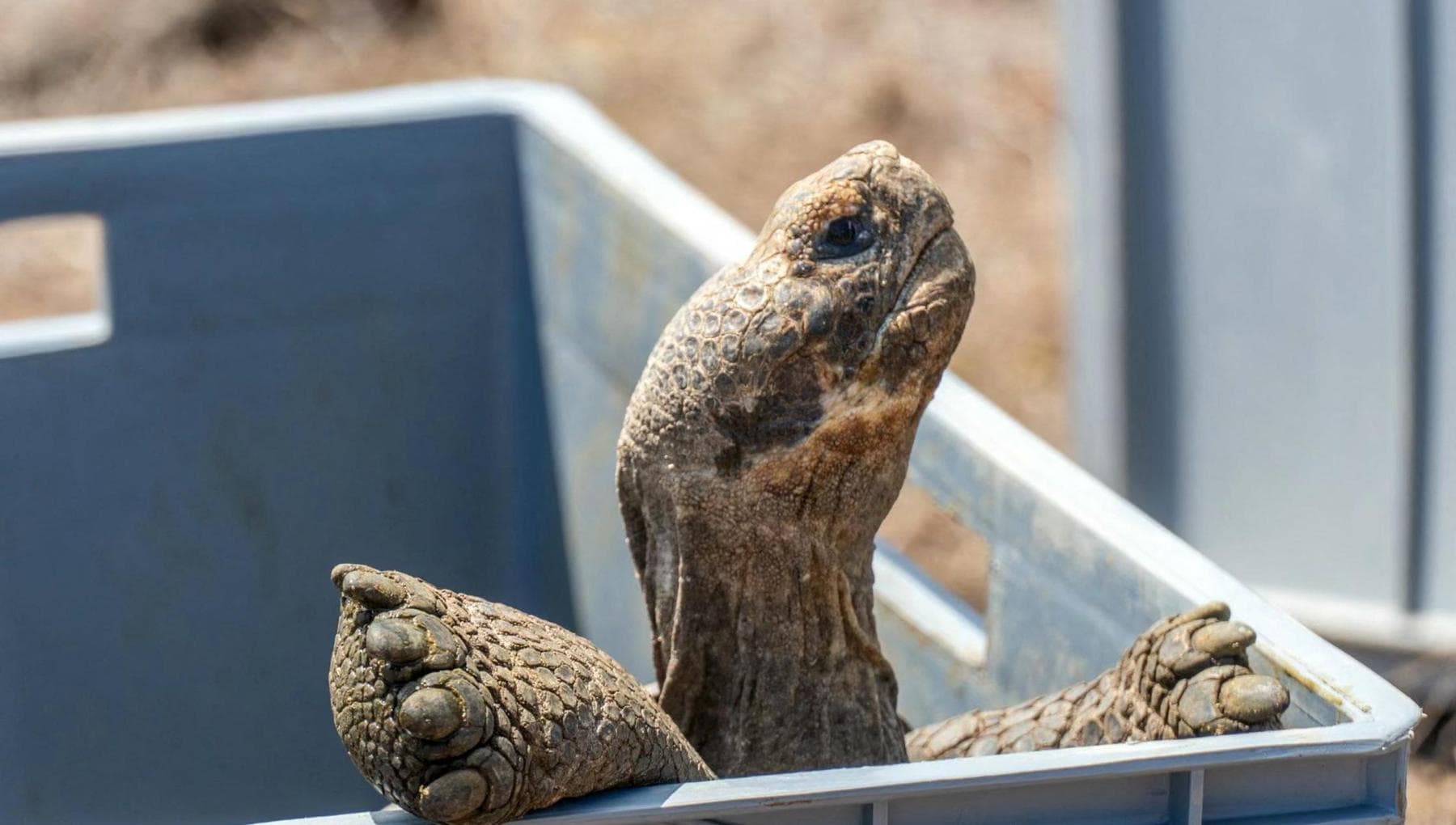
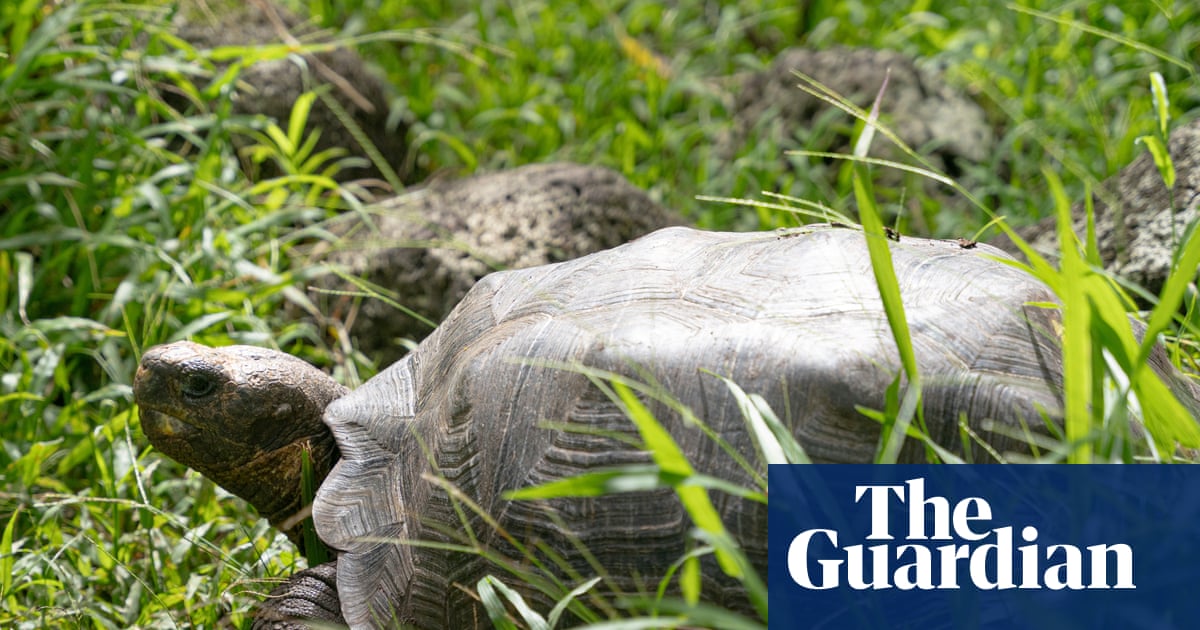
A relic population of giant tortoises discovered on Wolf volcano in the north of Isabela Island in 2008 were found to be descended in part from the Floreana population. Most of the Wolf volcano tortoises had domed shells like those living on Isabela’s other volcanoes to the south, but some had a saddleback-shaped carapace more typical of the tortoises that evolved on Floreana.