WHITE MOUNTAINS, Ariz.—As the warming climate drops less rain on the White Mountains and the thirsty atmosphere and soils suck up more of what does fall, the Chiricahua leopard frog has been threatened from all sides.
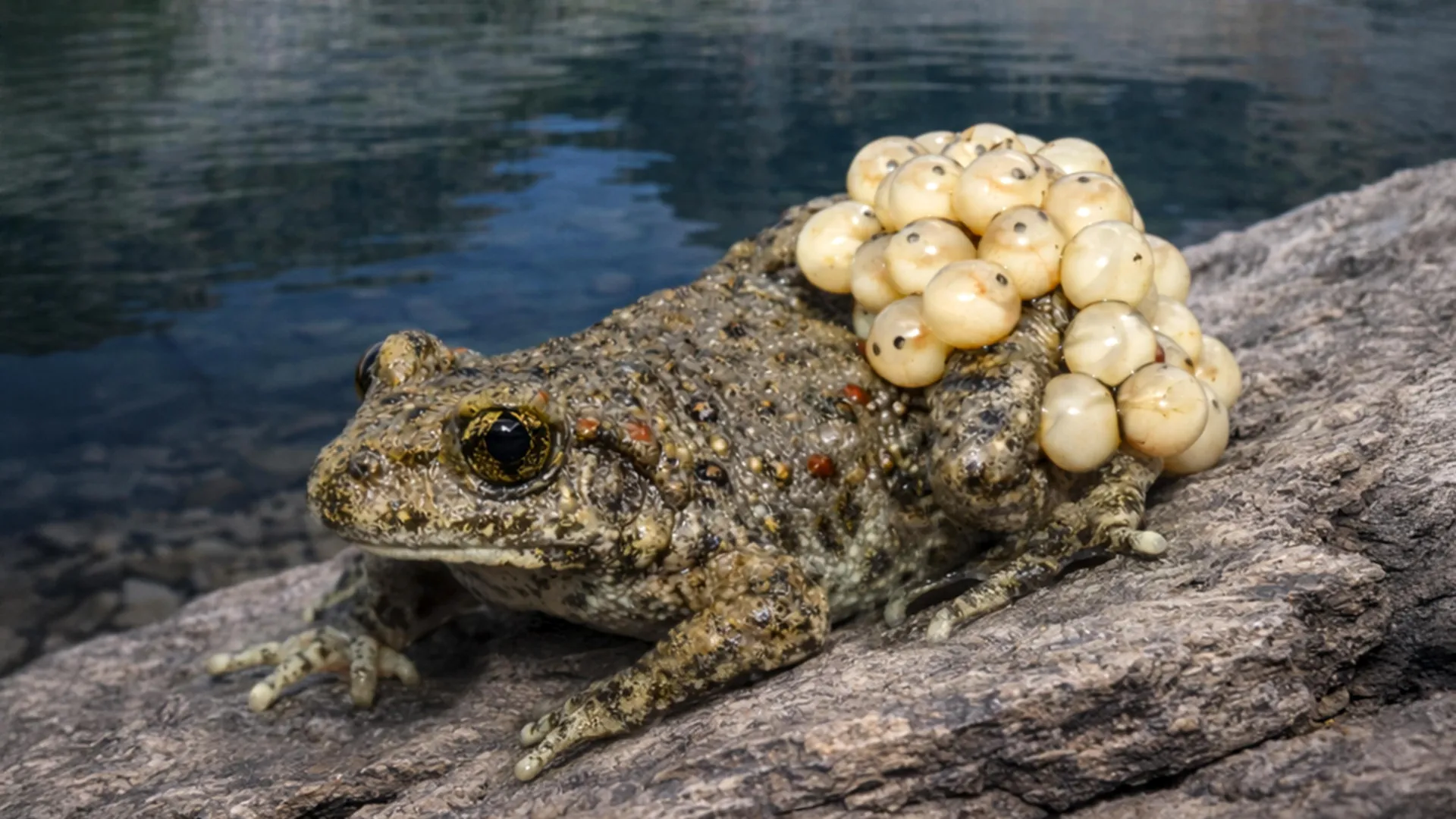
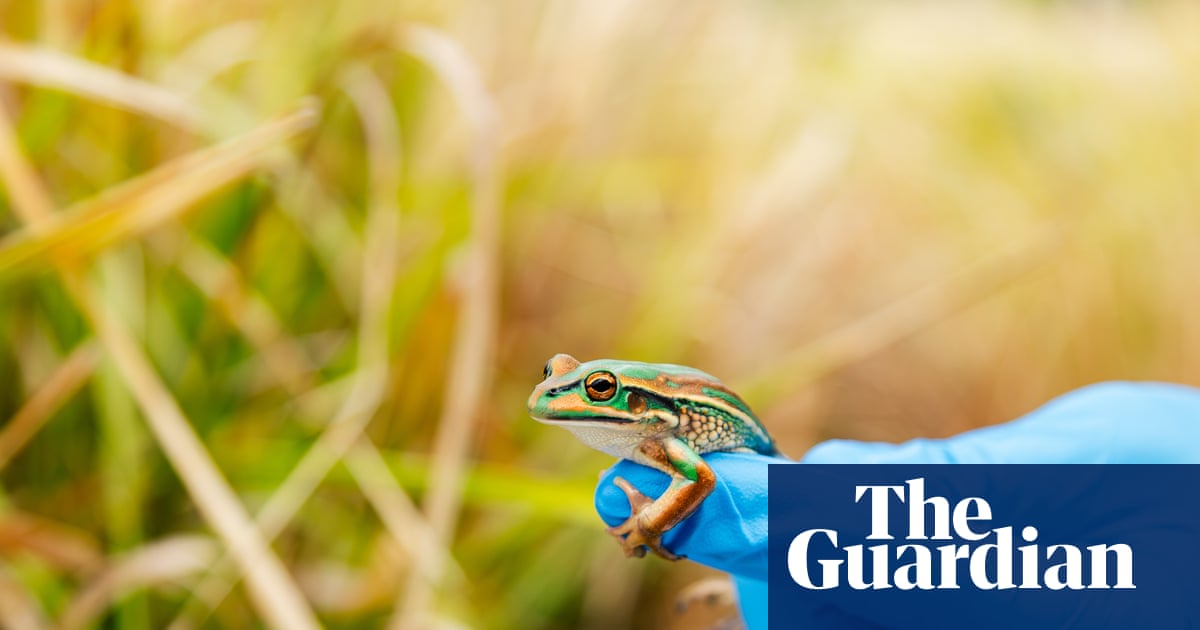
The dark green, stocky frog sporting raised charcoal-colored spots once announced its presence throughout streams and wetlands in Arizona, New Mexico and Mexico with a snore-like croak. But drought has dried out many of its habitats, while ash from wildfires has smothered others. Invasive species like bullfrogs and crayfish have disrupted the frogs’ food supply. And a deadly fungal disease that is wiping out amphibians around the world, chytridiomycosis, has further slashed their numbers.
Today, the frog is found at fewer than 80 sites and is listed as threatened under the Endangered Species Act.
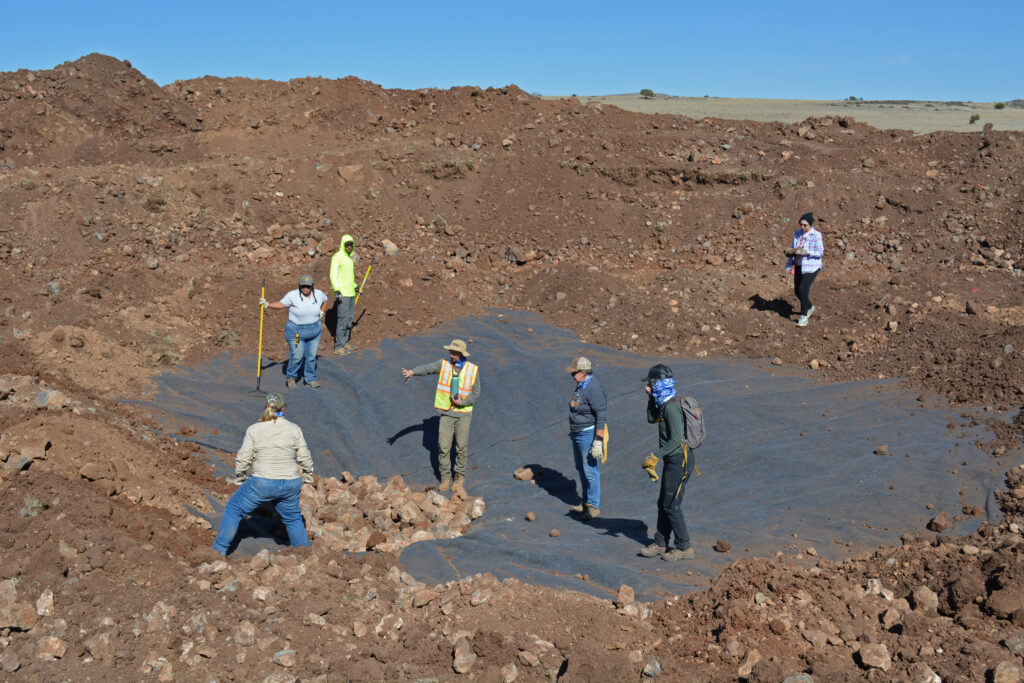
Preserving the one remaining population in the White Mountain Grasslands Wildlife Area requires making water appear in the desert and stay there, said Thomas Biebighauser, a wetlands engineer and founder of Wetland Restoration and Training LLC, as he watched a crew of volunteers prepare to build a pond.
“Wherever you live on Earth, you’re going to get rain sometime,” he said. “What happens to that rain is it flows off the surface of the ground, which eventually enters a stream, then eventually enters a river and goes to the ocean, which is a wonderful cycle. However, Arizona is becoming drier and drier … so we have now developed the techniques for making water in the desert.”