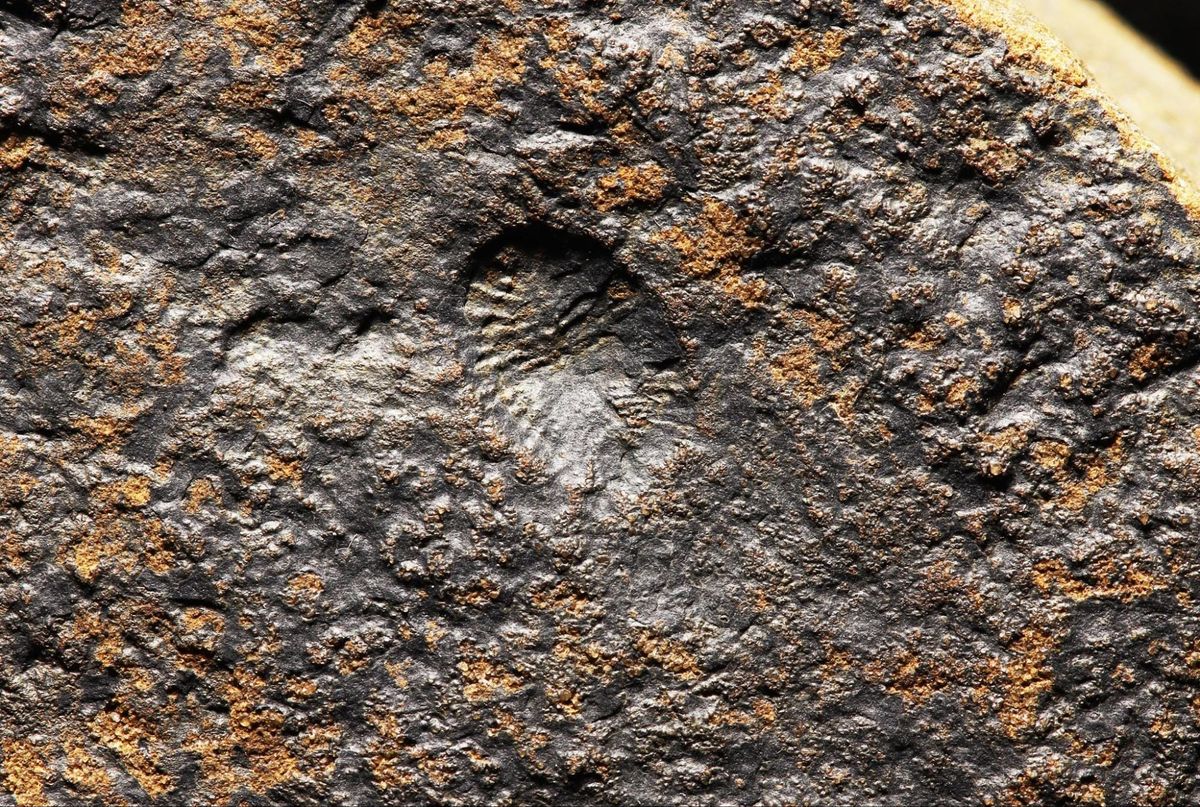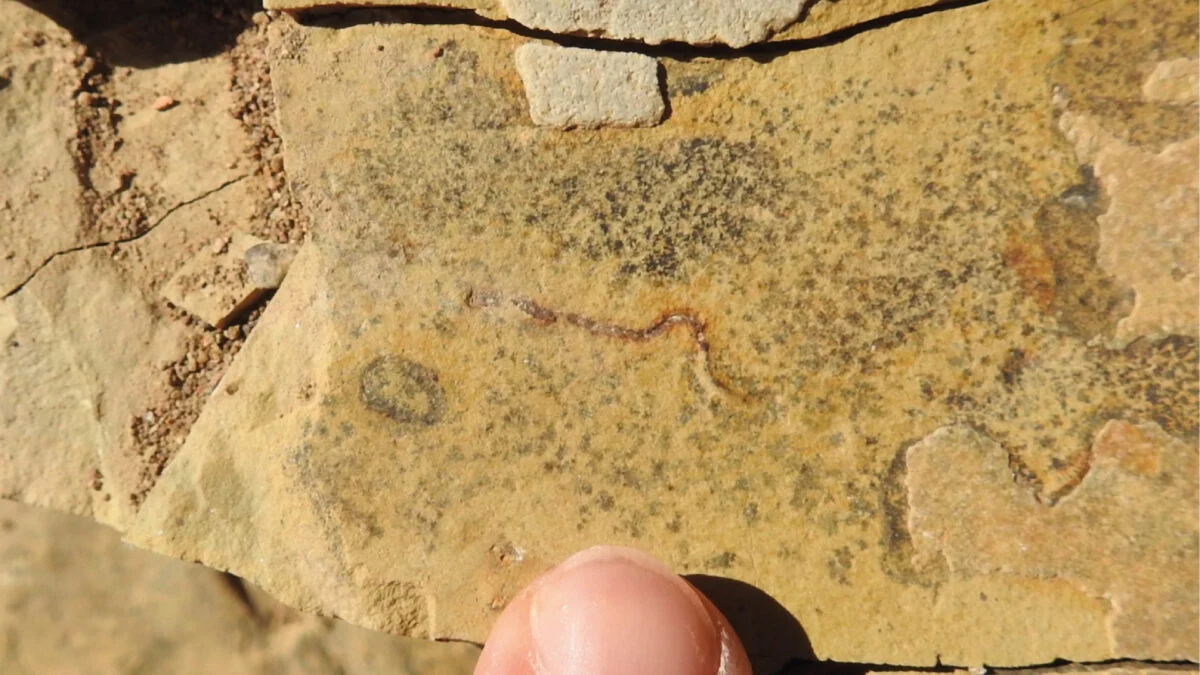
In 2017, researchers found tiny, fossilized filaments that, at the time, appeared to be trace fossils of worms or other small marine animals between 542 and 555 million years old. Their astounding age easily made the fossils one of the oldest discovered instances of animals on Earth—if, that is, the traces truly came from animals. According to new research published in Gondwana Research, the answer is a disappointing “no.” When a different team revisited the fossils with advanced imaging techniques, it uncovered evidence strongly suggesting that the filaments were algae and bacteria. Considering Earth’s history, this conclusion actually makes more sense, as 540 million years ago, the atmosphere’s oxygen may have been too thin to support meiofauna, or invertebrates shorter than one millimeter in length. “Using microtomography and spectroscopy techniques, we observed that the microfossils have cellular structures consistent with bacteria or algae that existed during that period—these aren’t traces of animals that may have passed through the area,” Bruno Becker-Kerber, the study’s first author and currently a postdoctoral researcher at Harvard University, said in a statement.
“I am not sold that they have effectively disputed the trace fossil nature of the slightly younger specimens that we investigated,” Luke A. Parry, the first author of the 2017 study, told Gizmodo in an email. “But it is good to see these fossils reanalyzed with higher-resolution methods.”