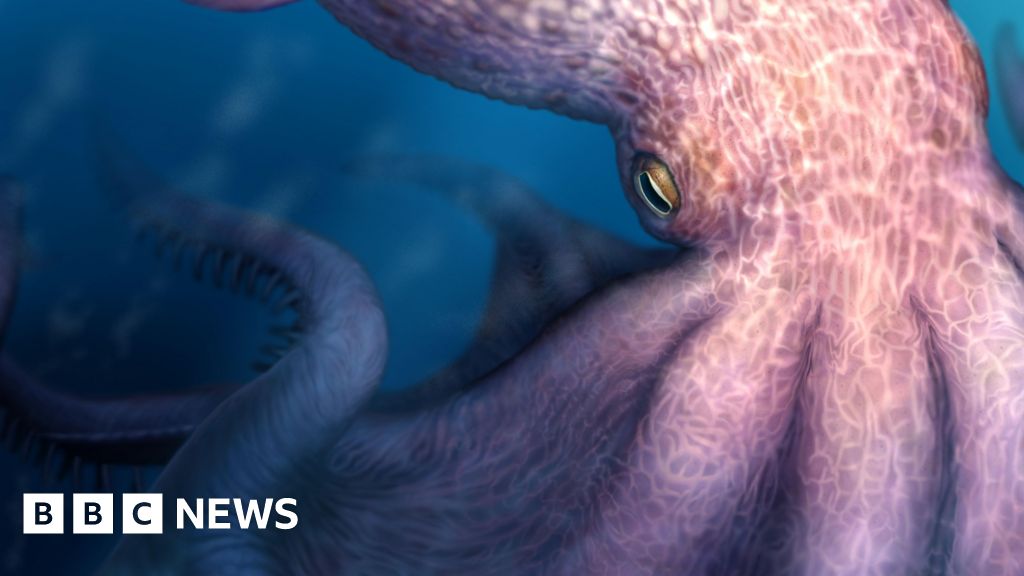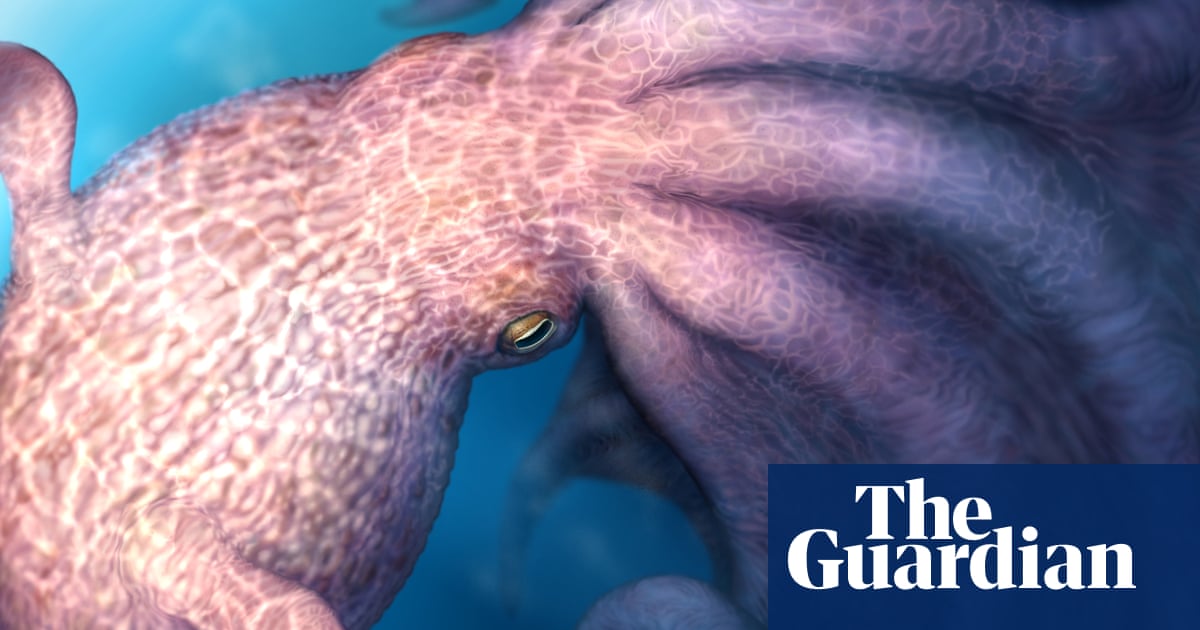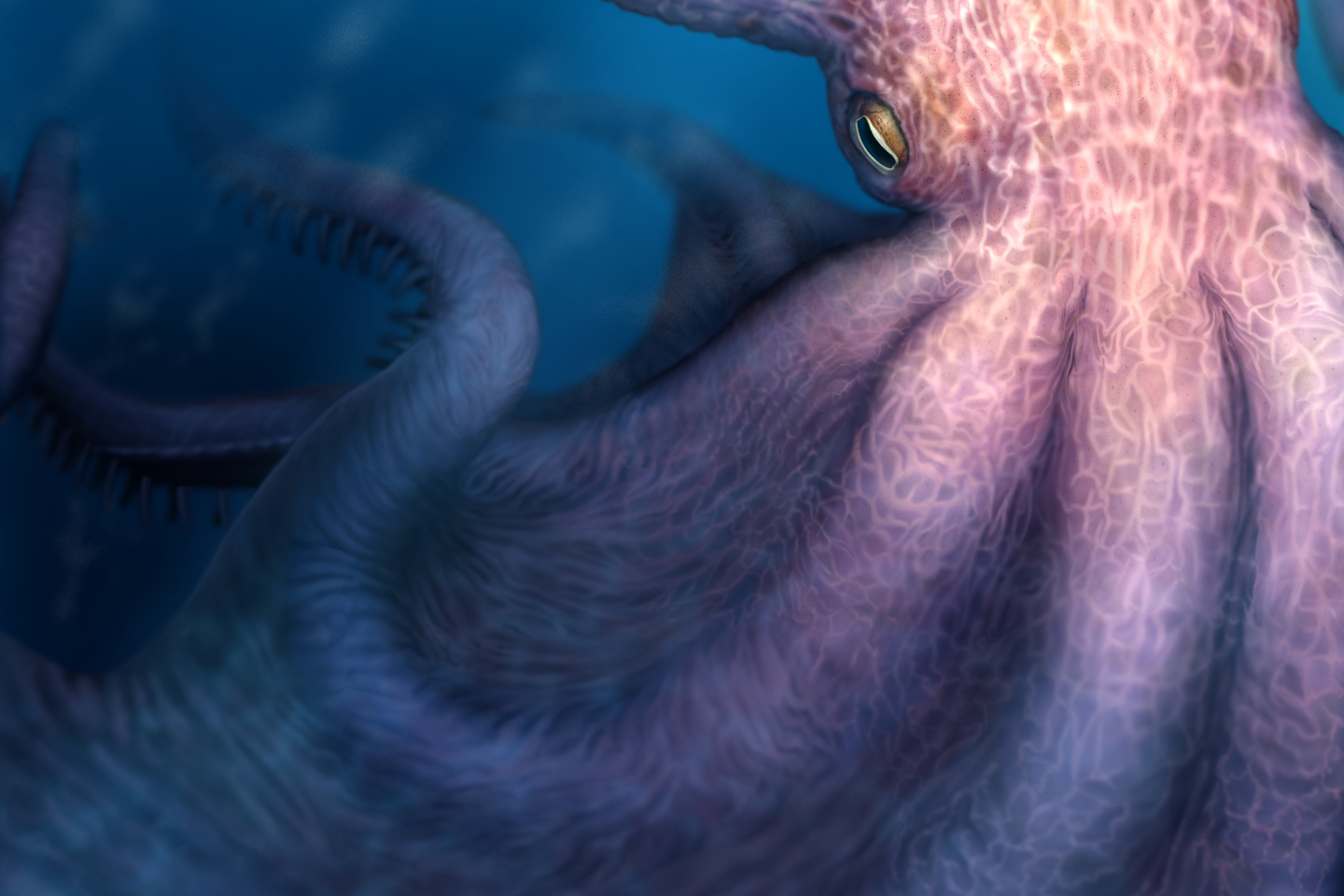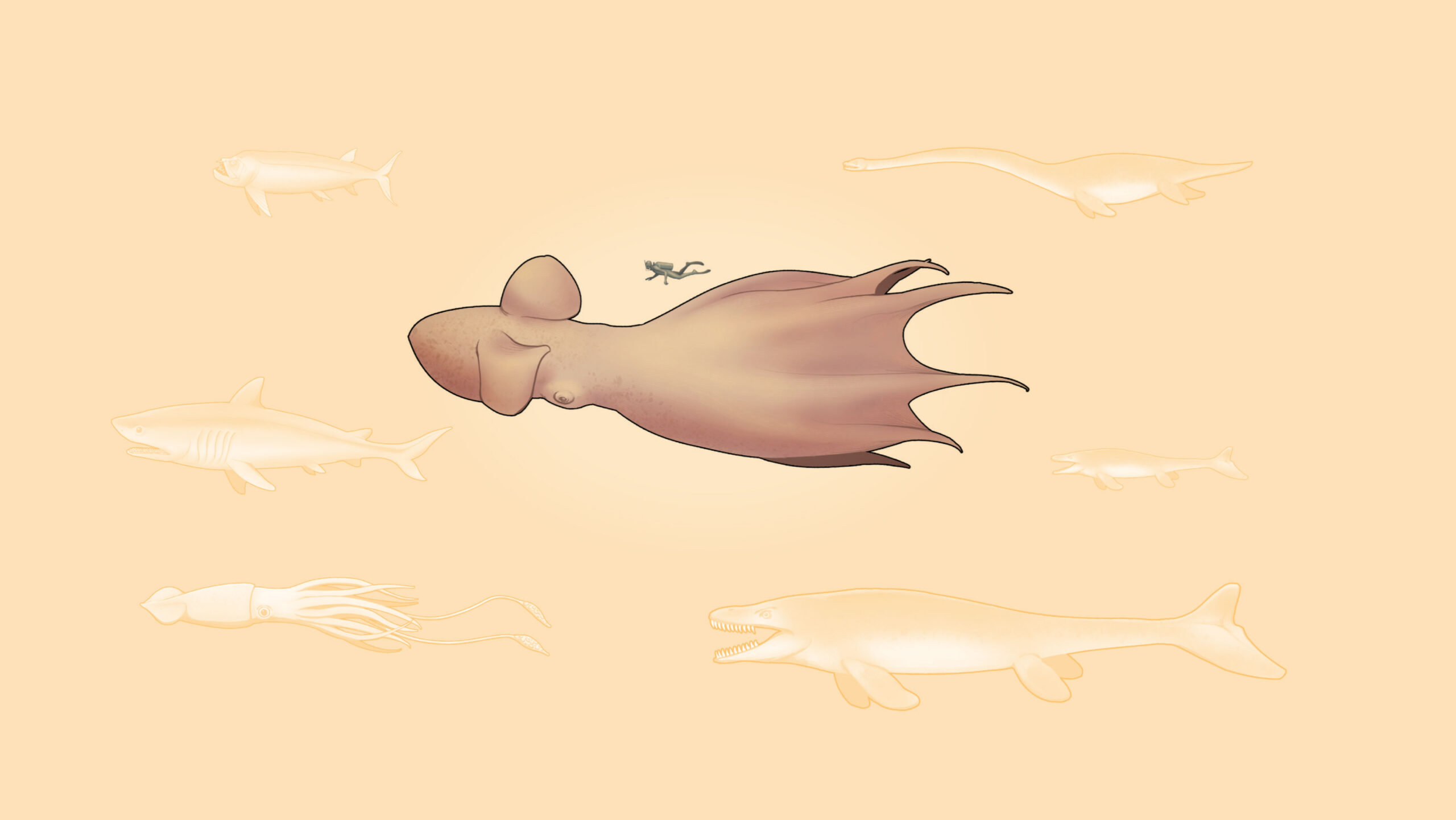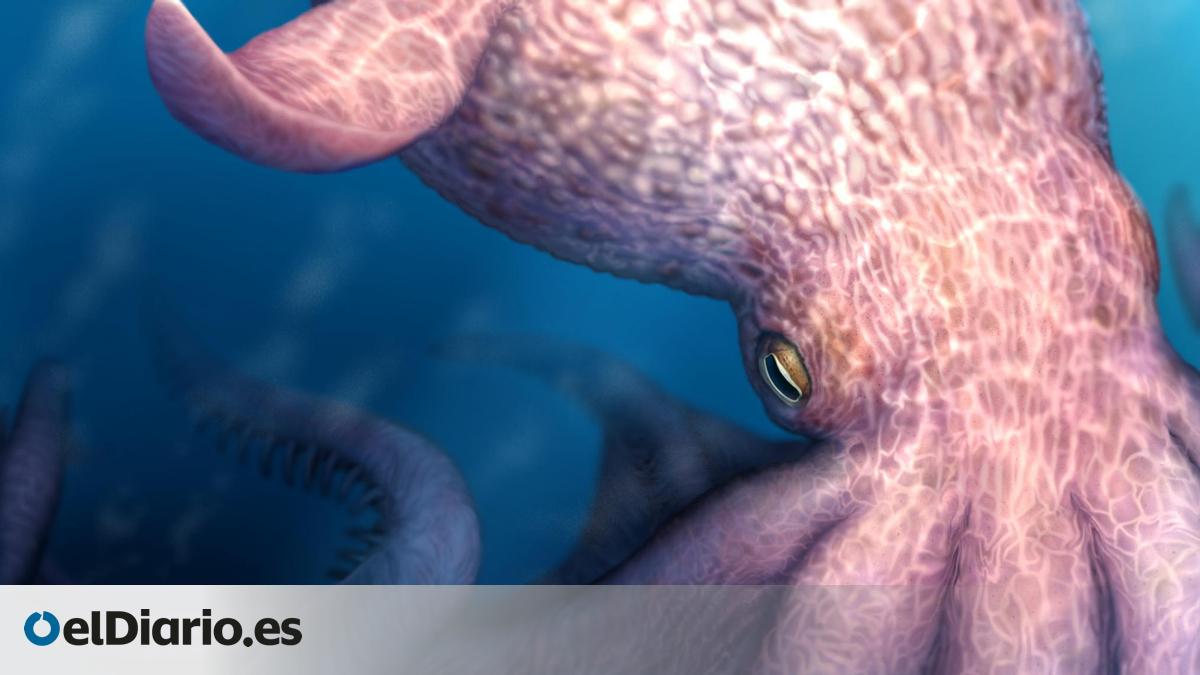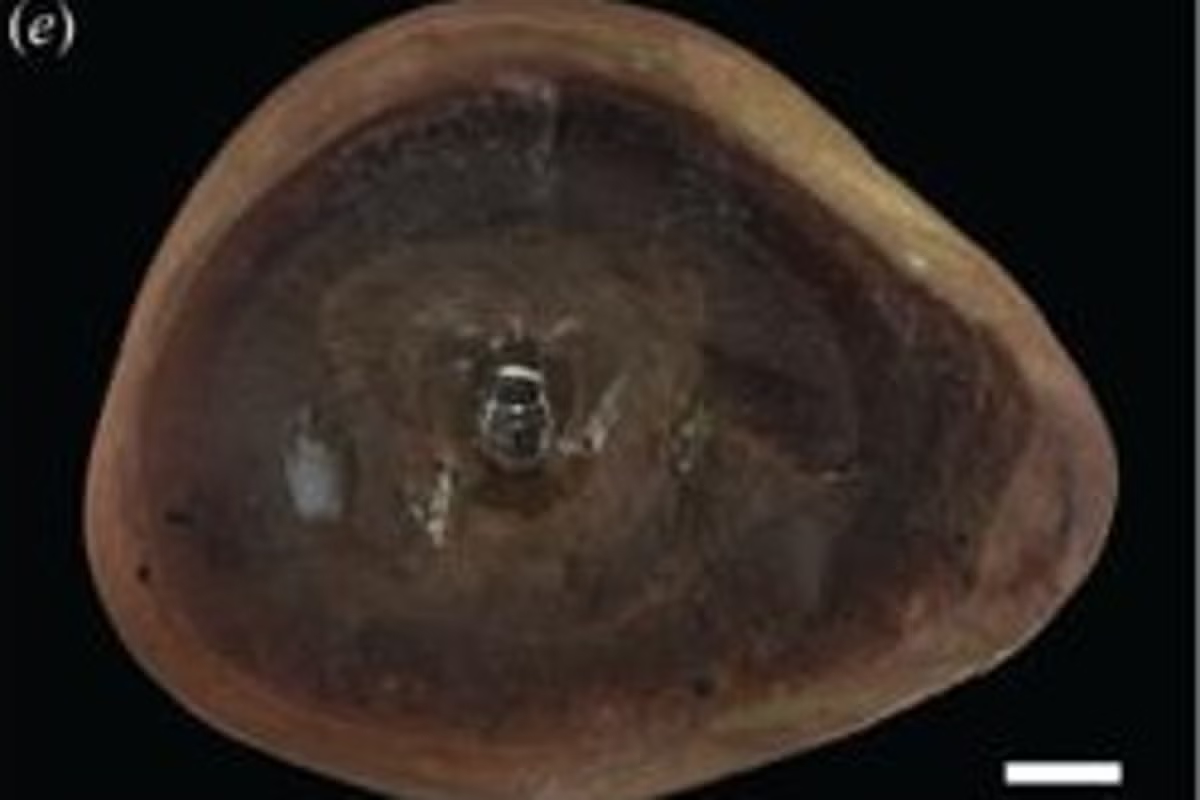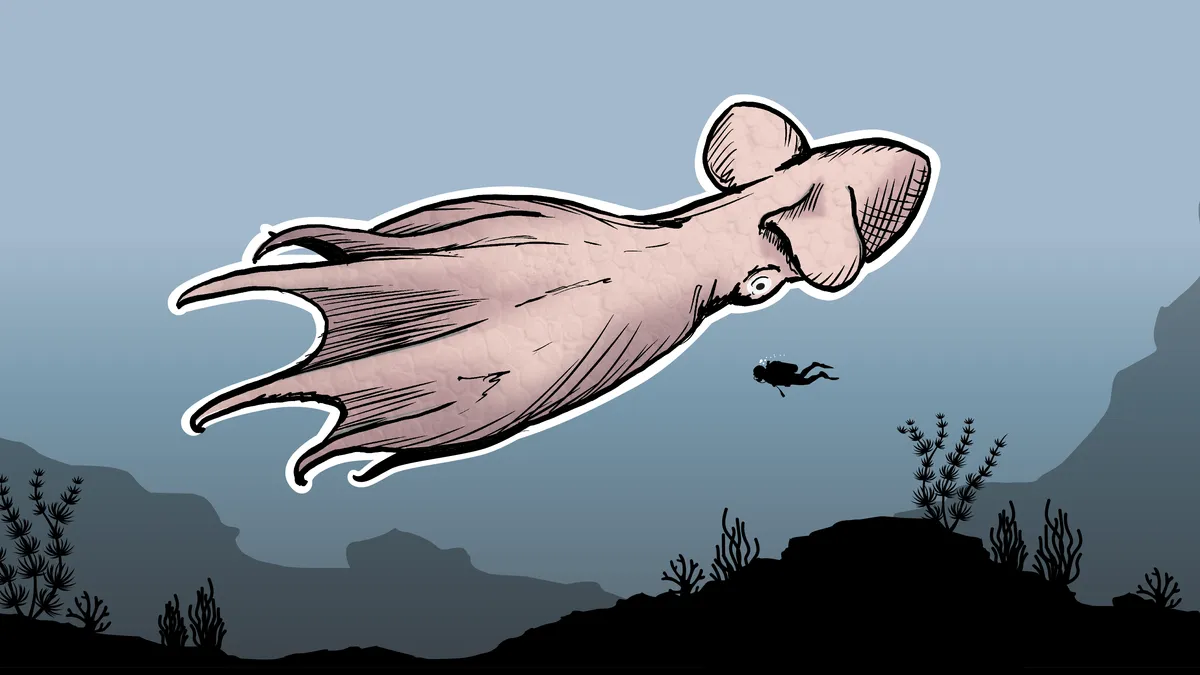
Scientists recently uncovered fossilized jawbones of Nanaimoteuthis haggarti – a massive, kraken-like octopus that roamed Earth about 72 million years ago.According to a recent study published in the journal Science, these enormous cephalopods would have been some of the biggest marine creatures of the Cretaceous Period and might have been the largest invertebrates ever."These findings revise the view of the Cretaceous ocean as a world dominated only by large vertebrate predators," study co-author Yasuhiro Iba, a paleontologist at Hokkaido University in Japan, told Live Science. "They show that giant invertebrates – octopuses – also occupied the top of the food web."Where the fossilized remains of the kraken-like octopus were discoveredResearchers working in Japan's Yezo Group, a massive Late Cretaceous geological formation on Hokkaido Island and in the Nanaimo Group geological formation on Canada’s Vancouver Island, have discovered exceptionally large fossil jaws. The jaws appear to belong to organisms that resembled octopuses, but their exact classification, size in life and potential ecological role remain a mystery, according to the ScienceNews.The researchers identified 12 additional fossil jaws from rocks in Japan and examined 15 previously found fossil jaws. The creatures were divided into two species, N. Jeletzkyi and N. Haggarti, on their size and form, according to The Natural History Museum.Unable to view our graphics? Click here to see them. How big was the Kraken-size octopus?All of the top marine predators were thought to be vertebrates, including plesiosaurs and mosasaurs.The study calculated that N. Jeletzkyi reached lengths of between 10 and 26 feet, based on its largest jaw, while the newly discovered N. Haggarti measured between 23 and 62 feet. This suggests that the N. Haggarti may be the largest invertebrate ever discovered, according to the Institute for Creation Research.The finding might indicate that prehistoric marine ecosystems featured a greater variety of predators and were far more complex than previously imagined.
Huge Kraken-like Octopus may have ruled the seas 72 million years ago
A new study finds a giant octopus may have prowled the seas 72 million years ago and may have been at the top of the food chain.
312 words~1 min read