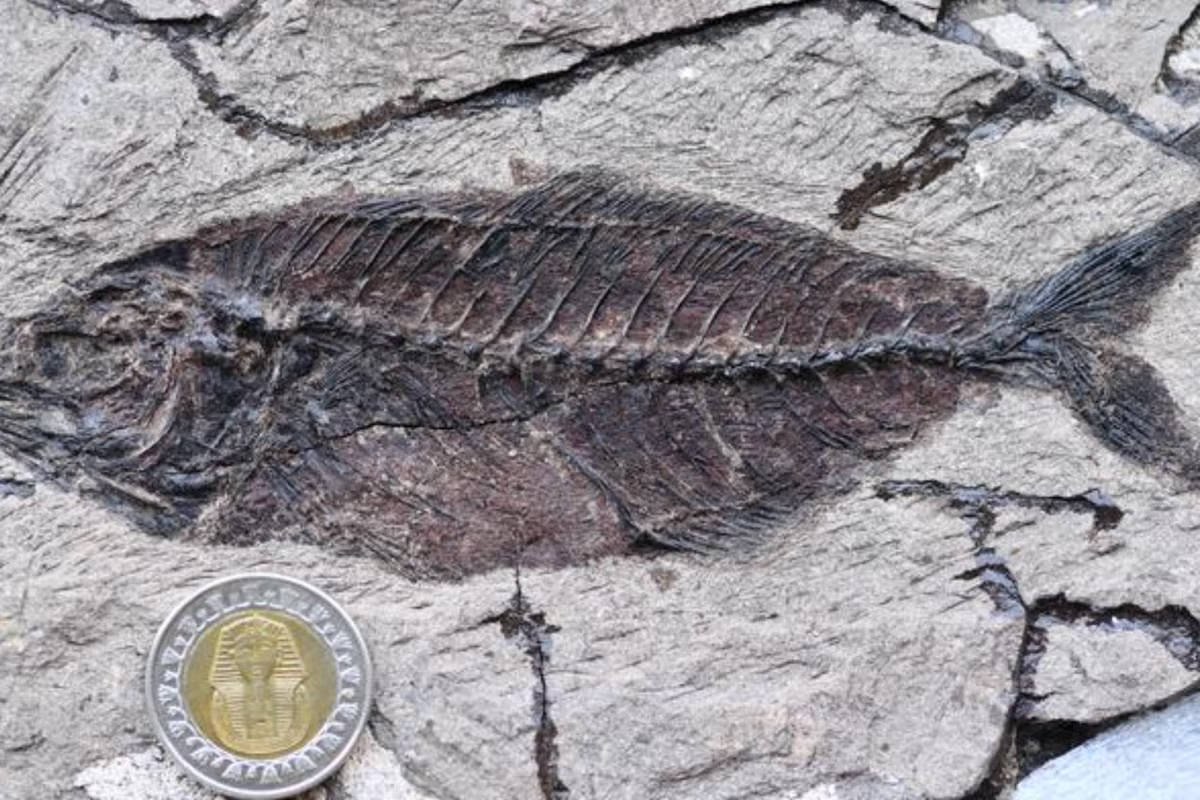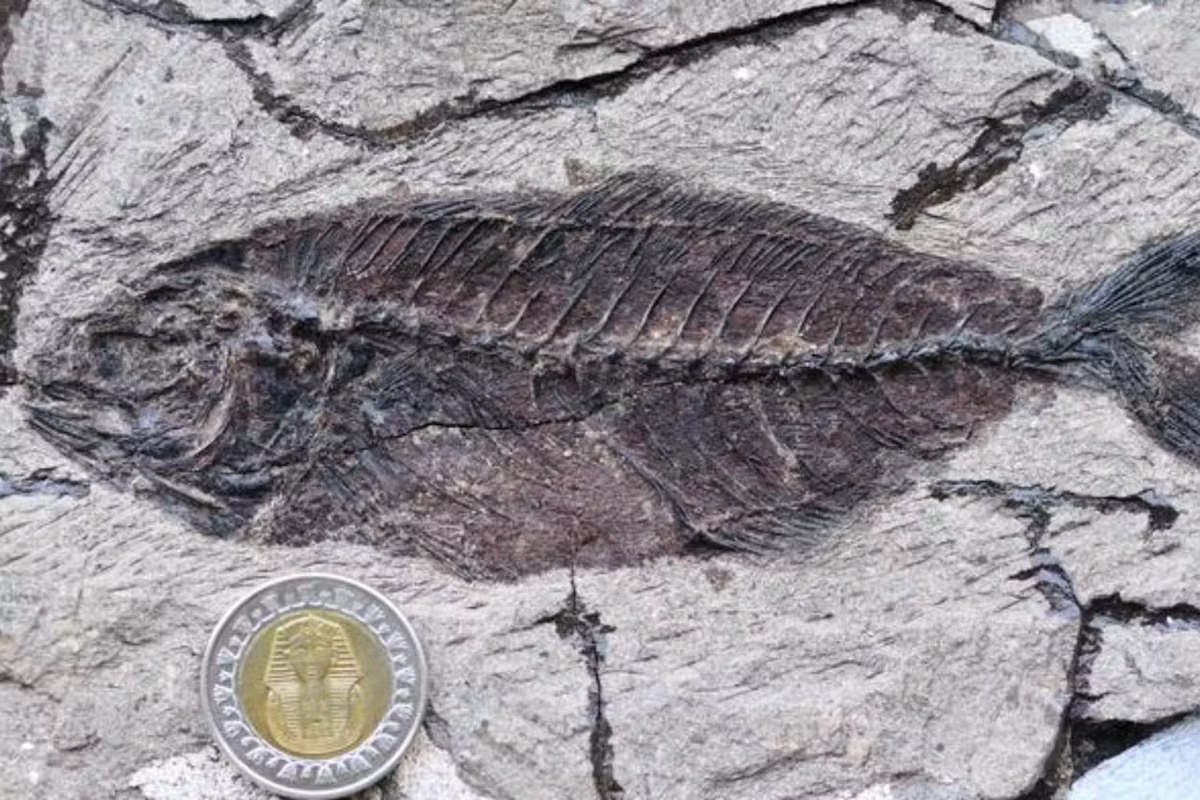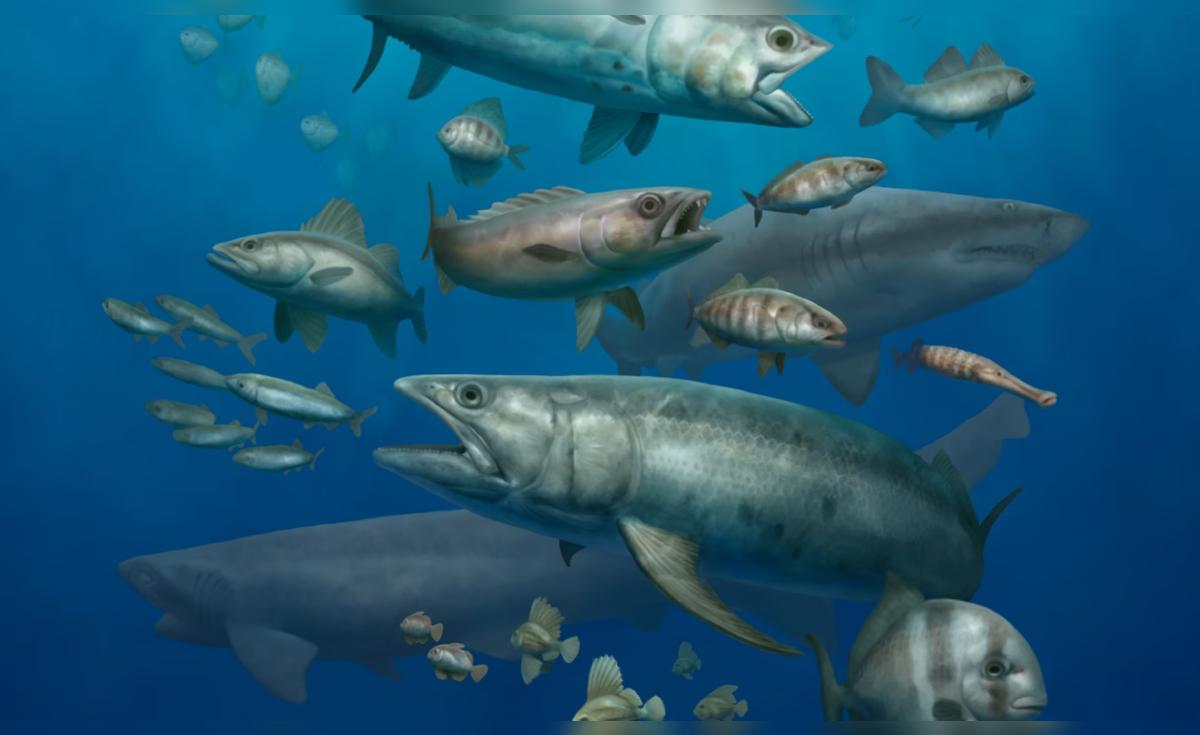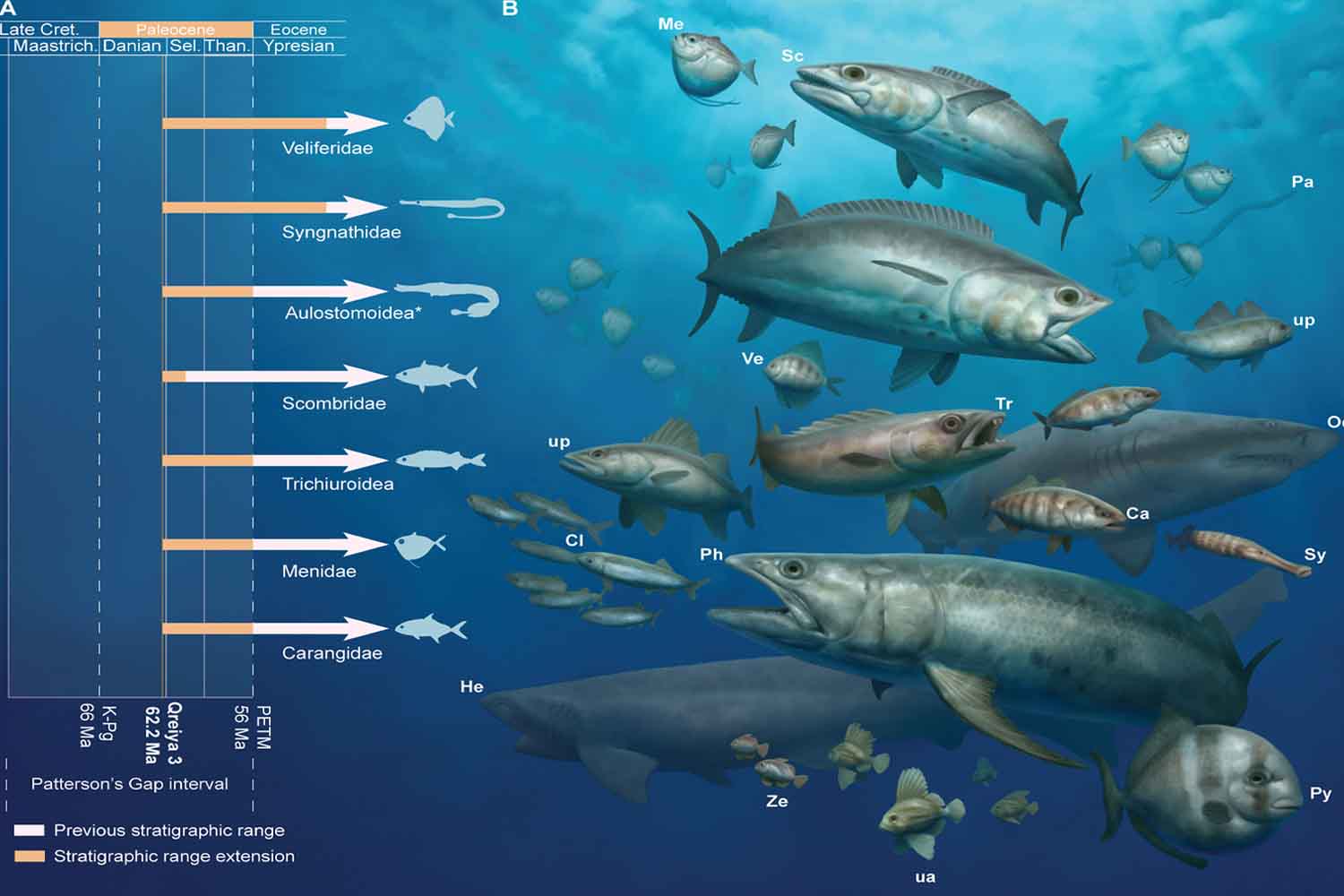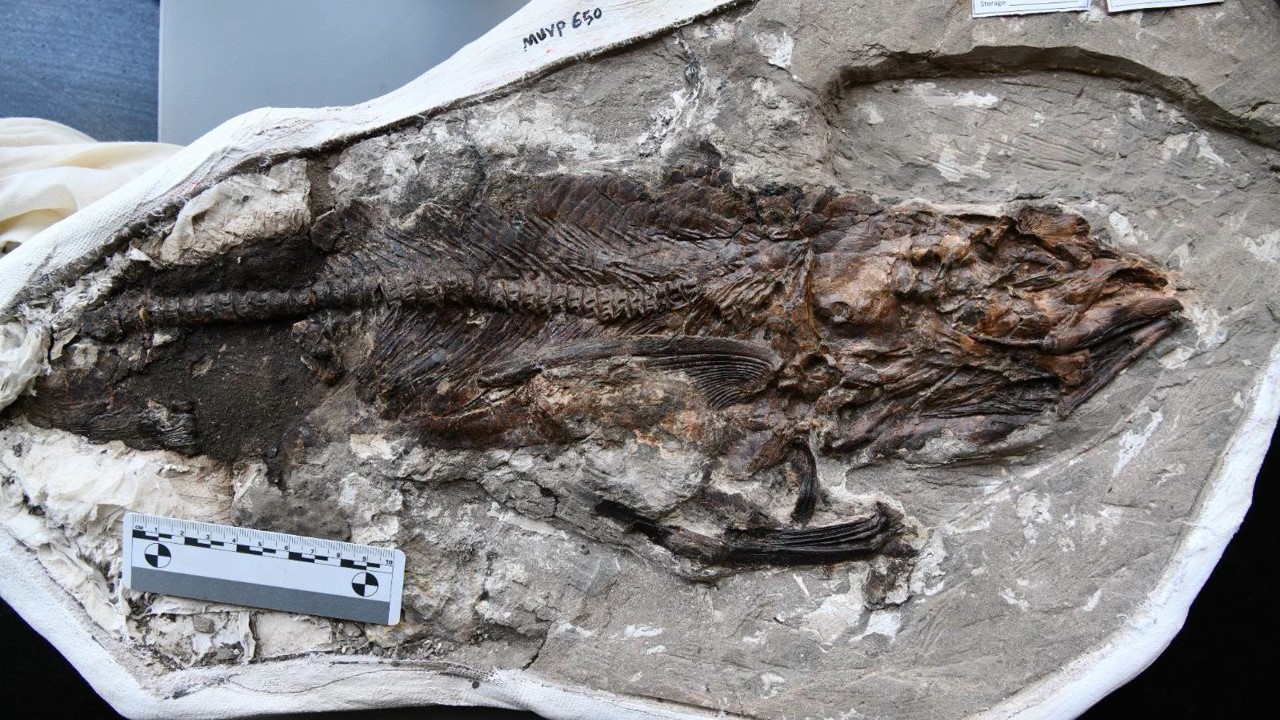
An Egyptian find of a 62-million-year-old fossil site has been described as “rewriting the history of the seas.”
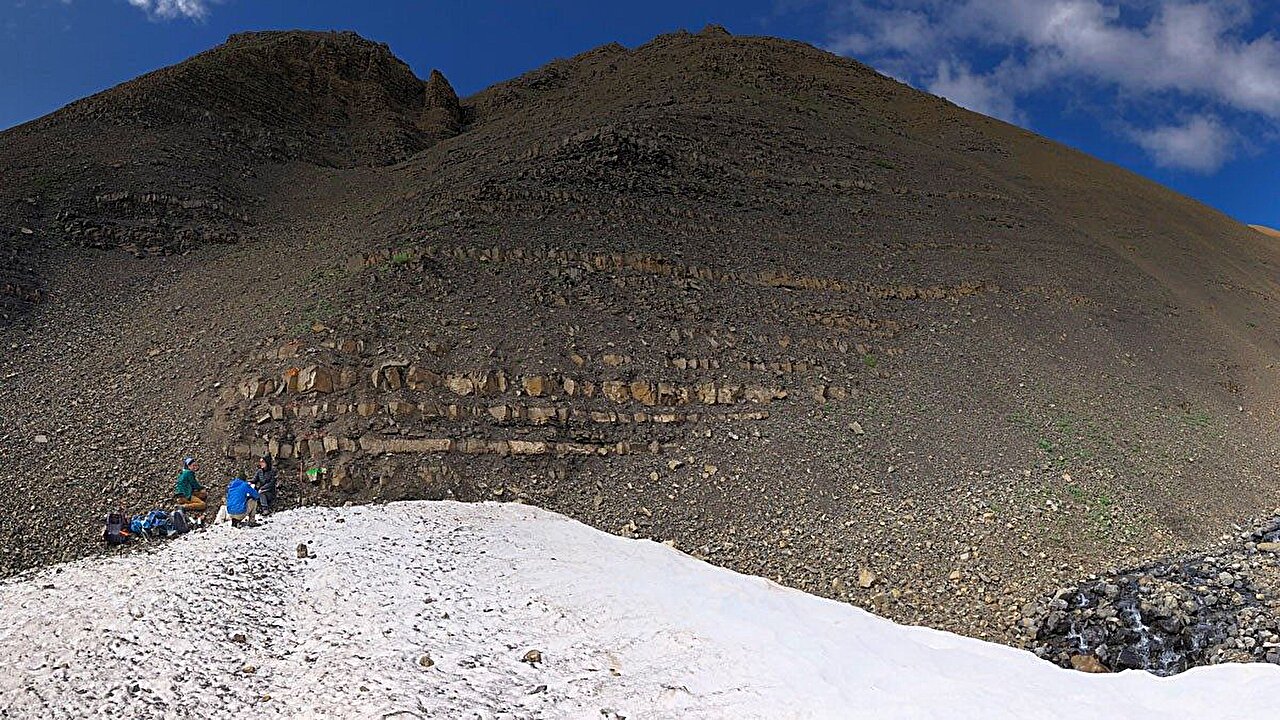
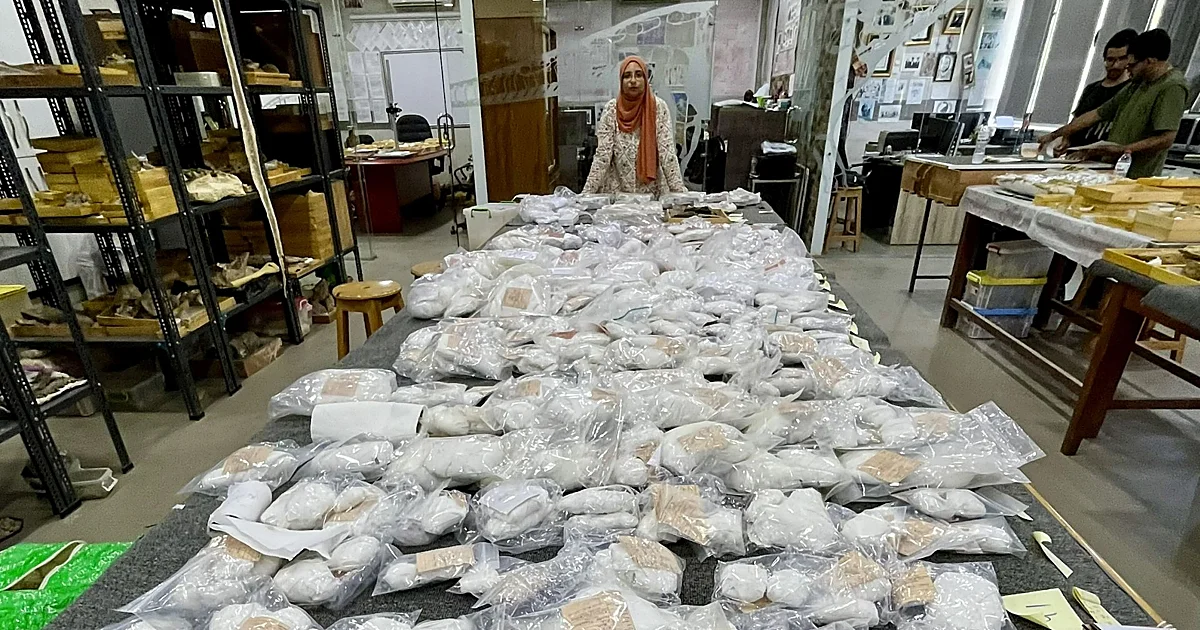
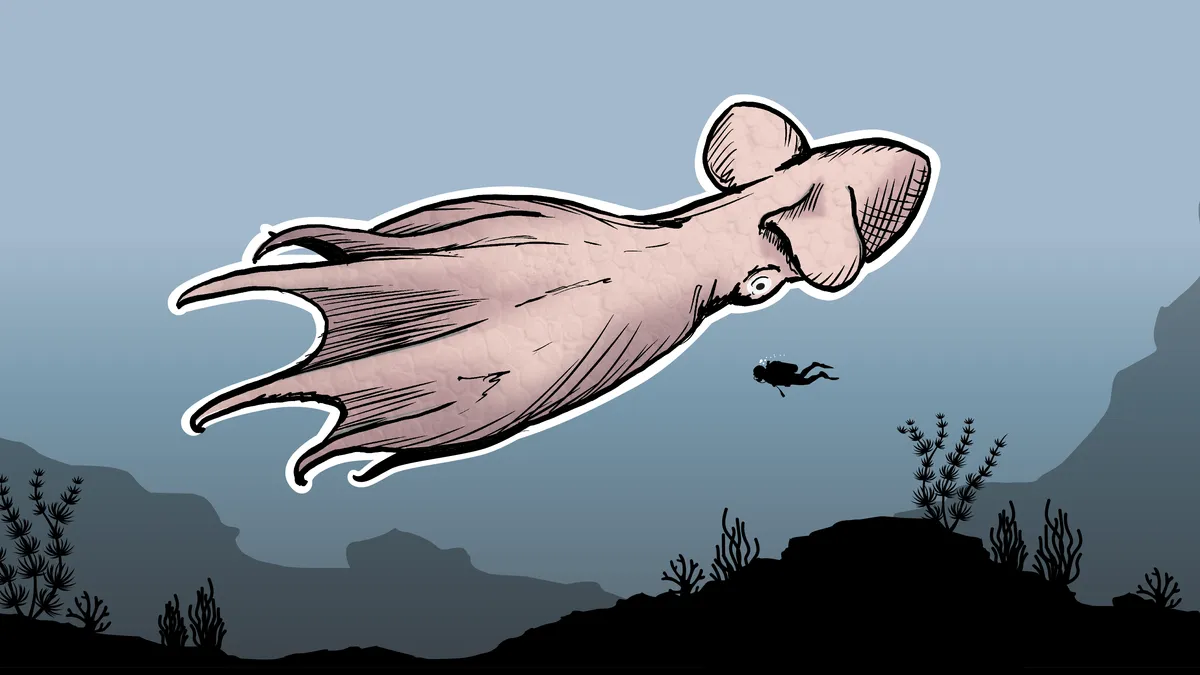
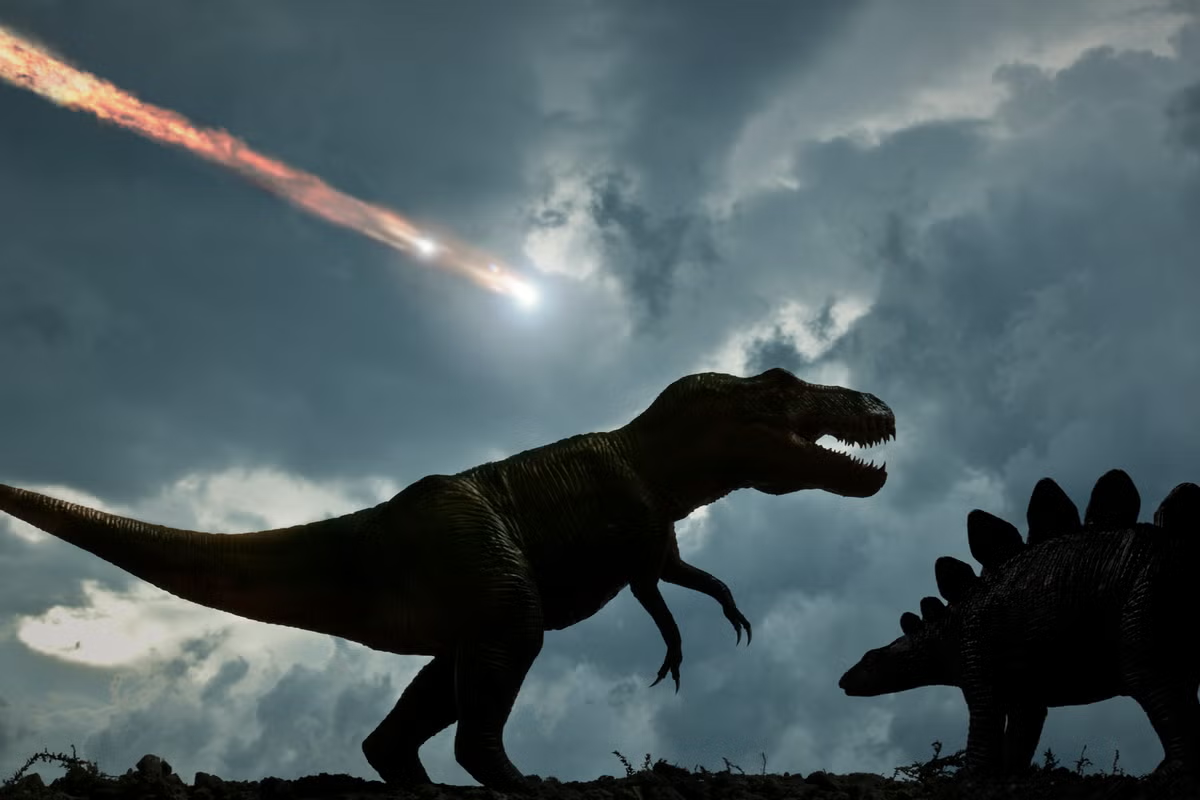
An Egyptian find of a 62-million-year-old fossil site has been described as “rewriting the history of the seas.” A massive meteorite strike 66 million years ago at the end of the Cretaceous period is believed to have been the cause of the extinction of 75% of the world’s animal and plant species but now an international research team led by Egypt’s Mansoura University Vertebrate Paleontology Centre has uncovered evidence of the emergence of modern marine life.
In a statement issued on Wednesday Egypt’s Ministry of Higher Education and Scientific Research said the study was “a significant contribution to understanding the history of life on Earth.”
The Minister of Higher Education and Scientific Research, Abdel Aziz Qansouh, congratulated Mansoura University and Egyptian paleontologist Hesham Sallam, who led the international research team on the publication of the study’s findings in ‘Science Advances,’ a peer-reviewed multidisciplinary journal published by the American Association for the Advancement of Science. The association also publishes the renowned journal ‘Science’ which is widely regarded as one of the world’s leading open-access scientific publications.