Study of fossilised beaks shows patterns of wear and suggests some ancient species were up to 19 metres long
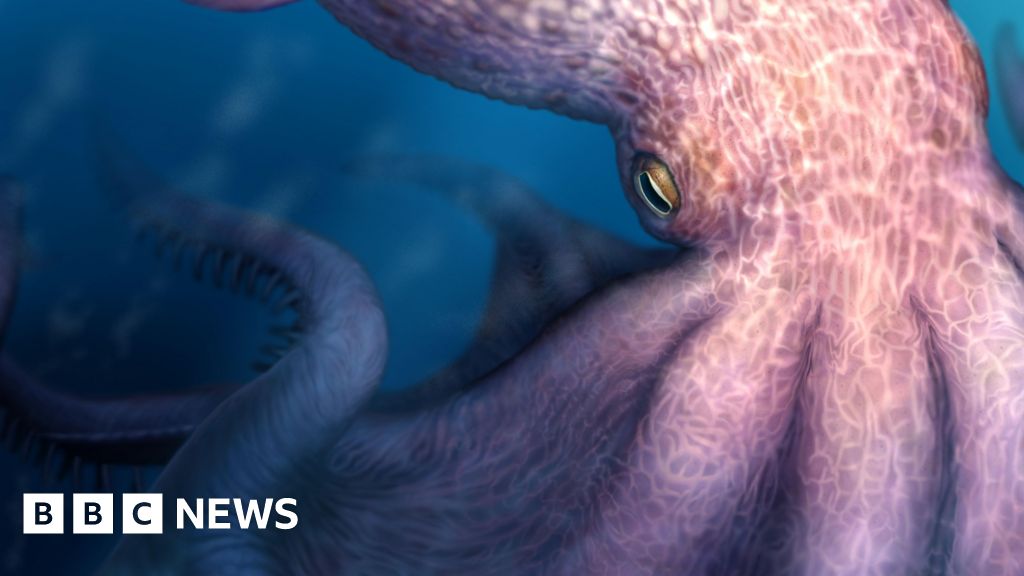
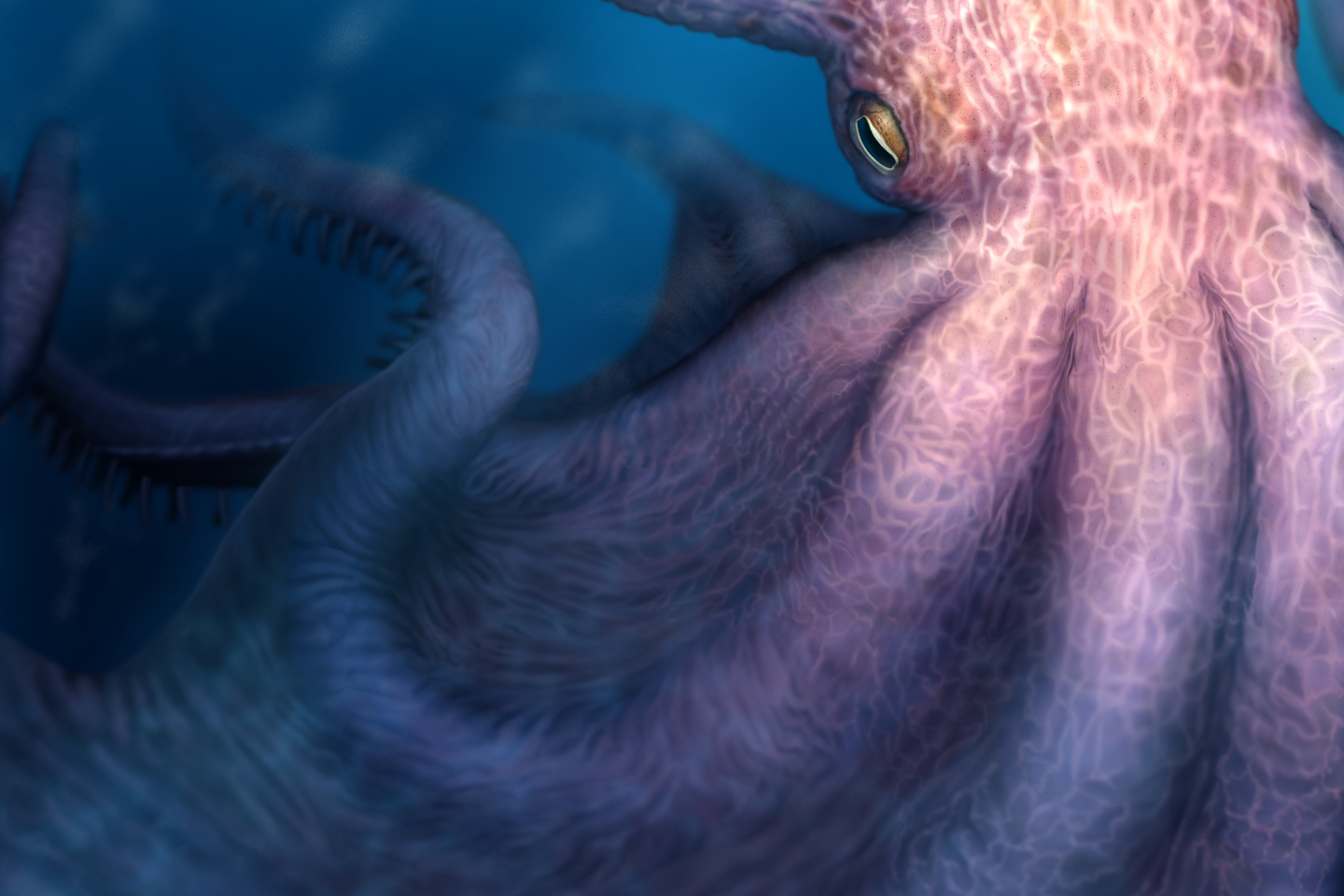
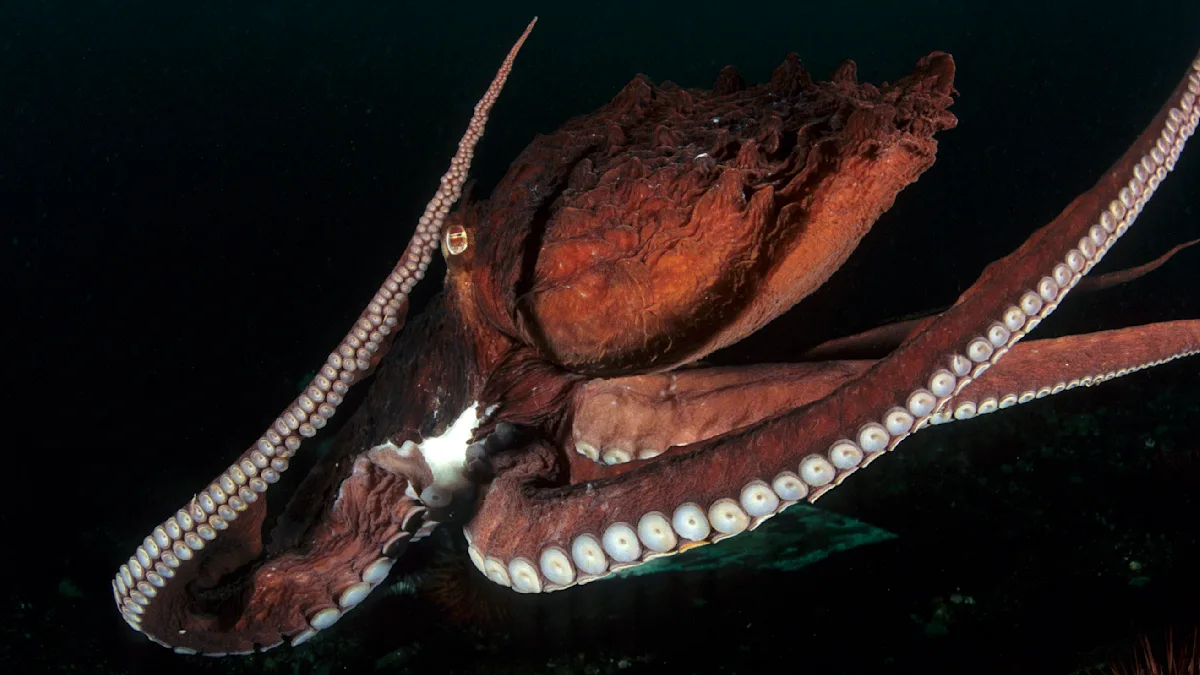
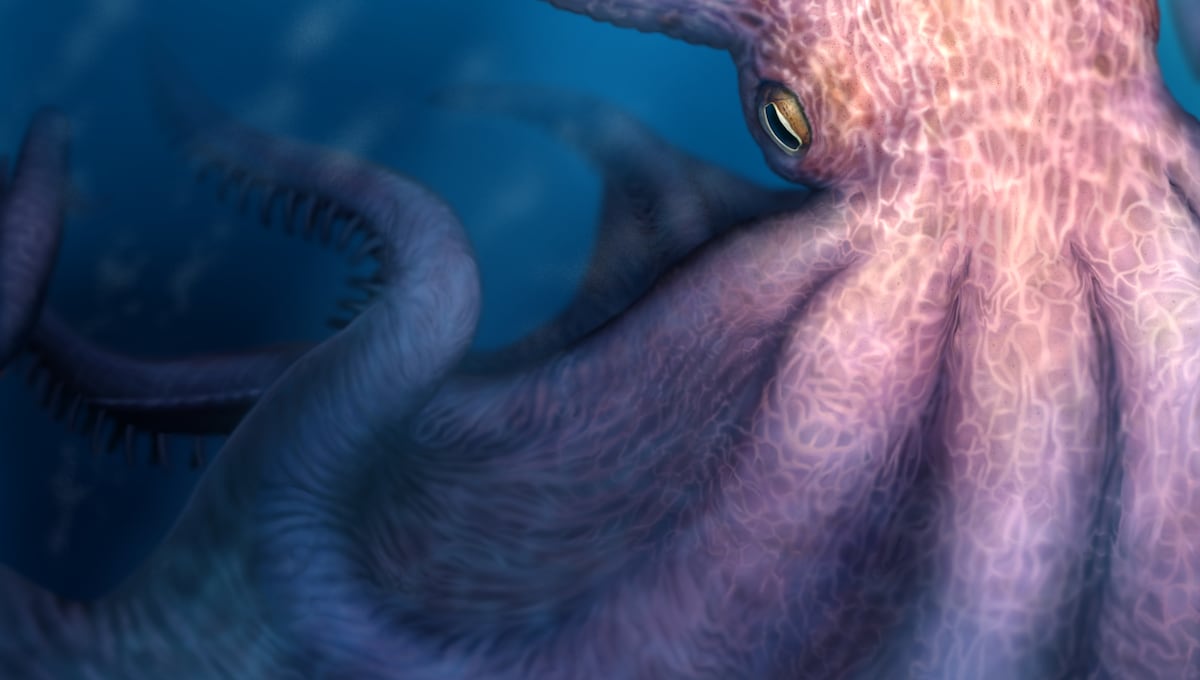
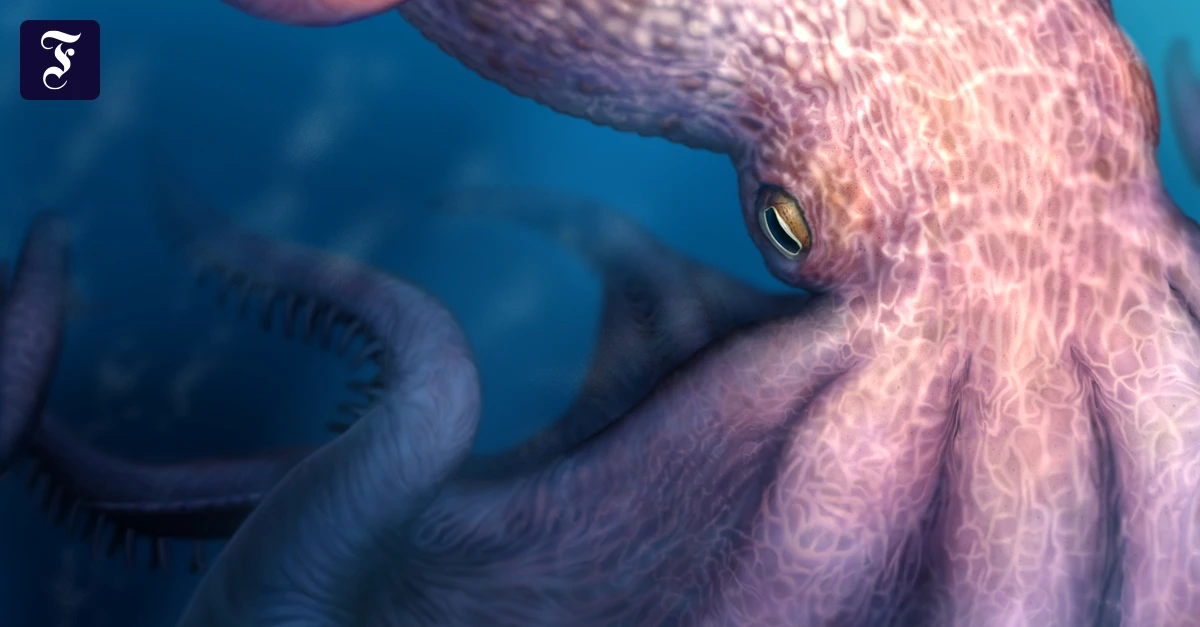
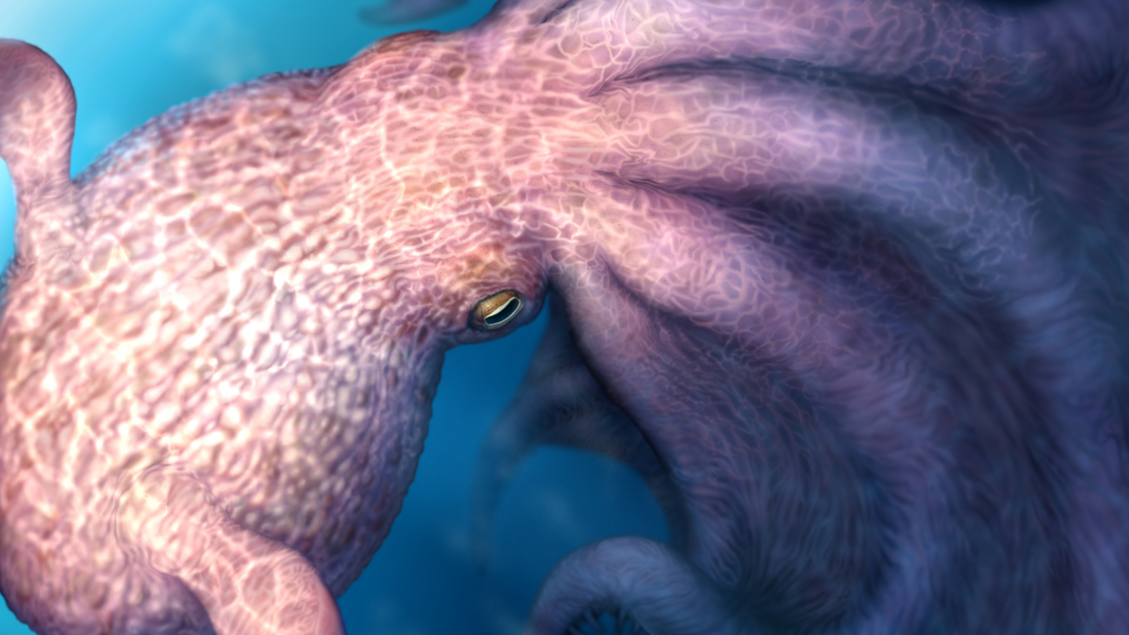
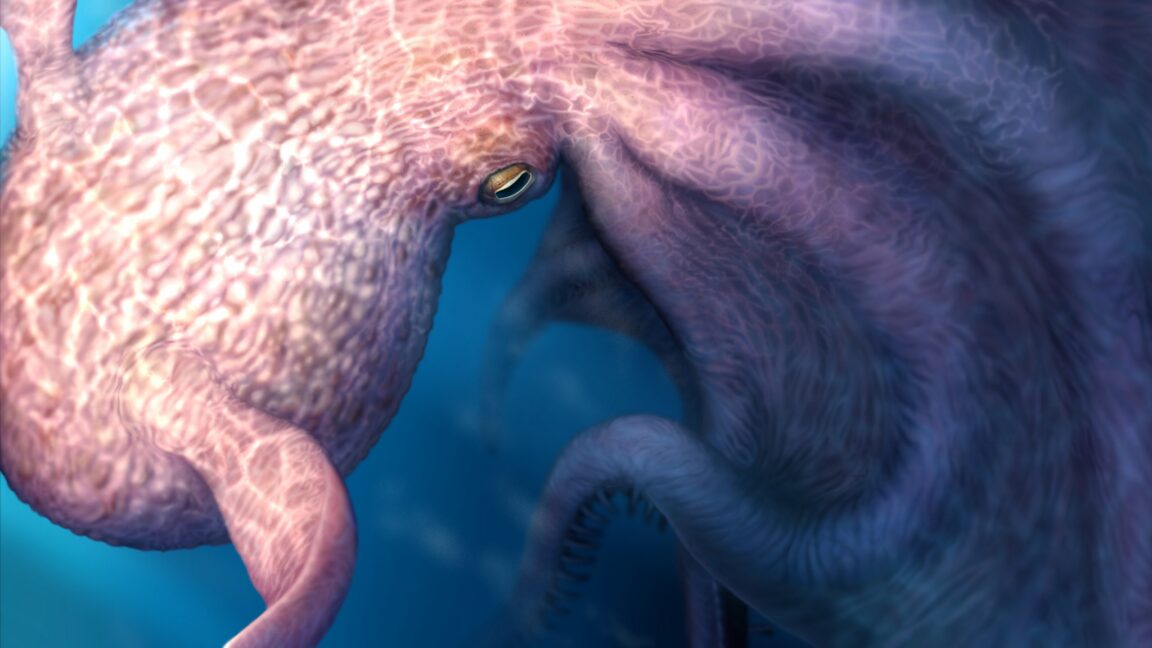
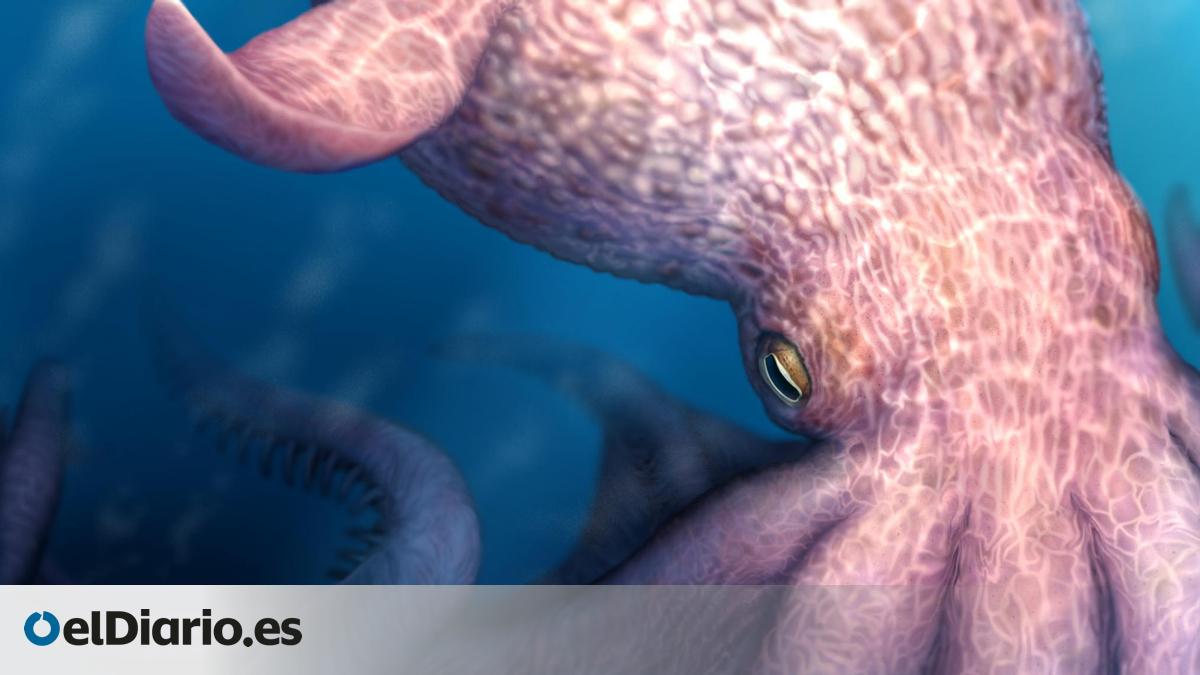
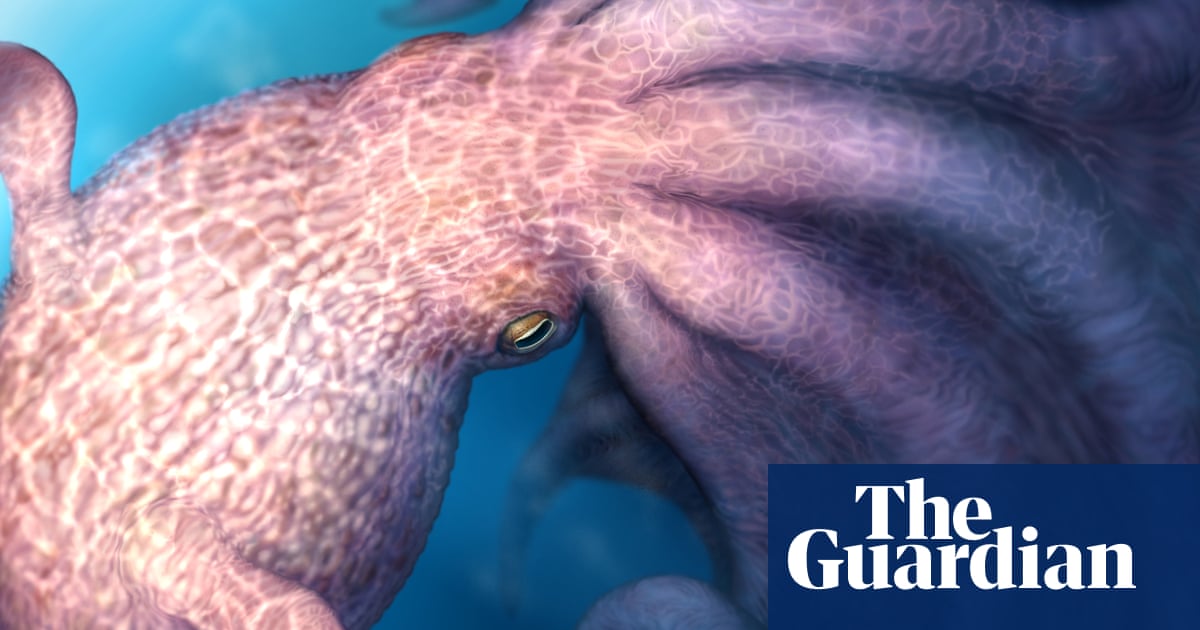
Giant “kraken-like” octopuses that used powerful beaks to crunch through bones of prey were among the most formidable predators of the Cretaceous oceans, according to research.
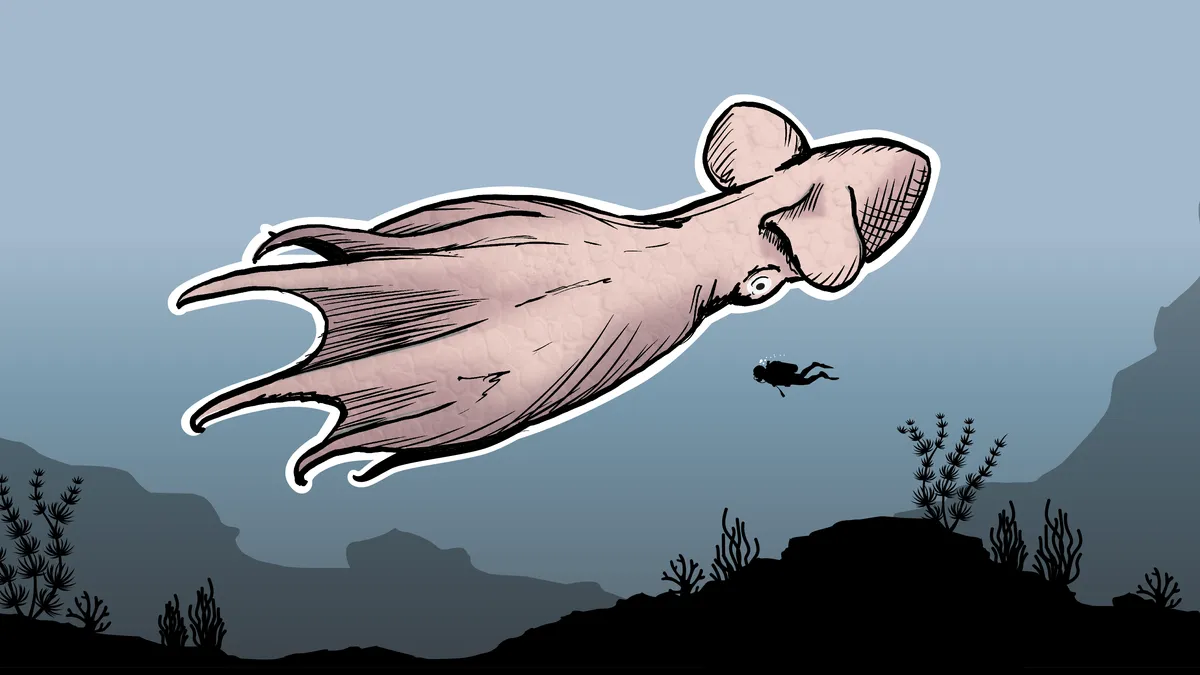
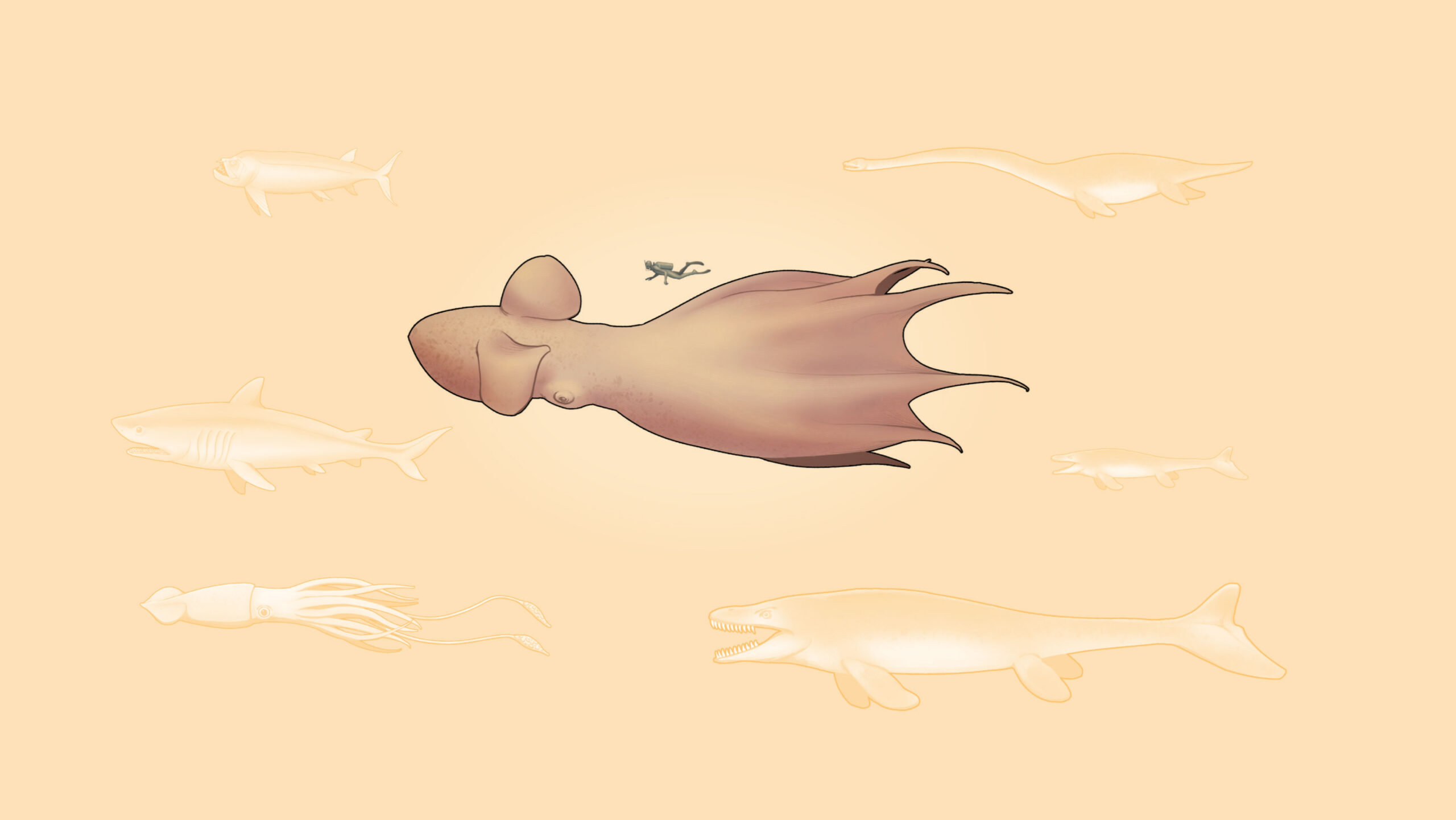
Analysis of dozens of newly identified fossils reveals that some ancient octopus species reached up to 19 metres in length, meaning they would have rivalled – and possibly even preyed upon – apex predators such as mosasaurs and plesiosaurs.
Distinct wear patterns on the enormous fossilised beaks, which date back up to 100m years, suggest they would have routinely crushed hard bones and shells.
“Our study shows that these were not simply large versions of modern octopuses,” said Dr Yasuhiro Iba, a palaeontologist at Hokkaido University and lead author of the research. “They were giant predators at the very top of the Cretaceous marine food web. This changes the view that Cretaceous seas were dominated only by large vertebrate predators.”