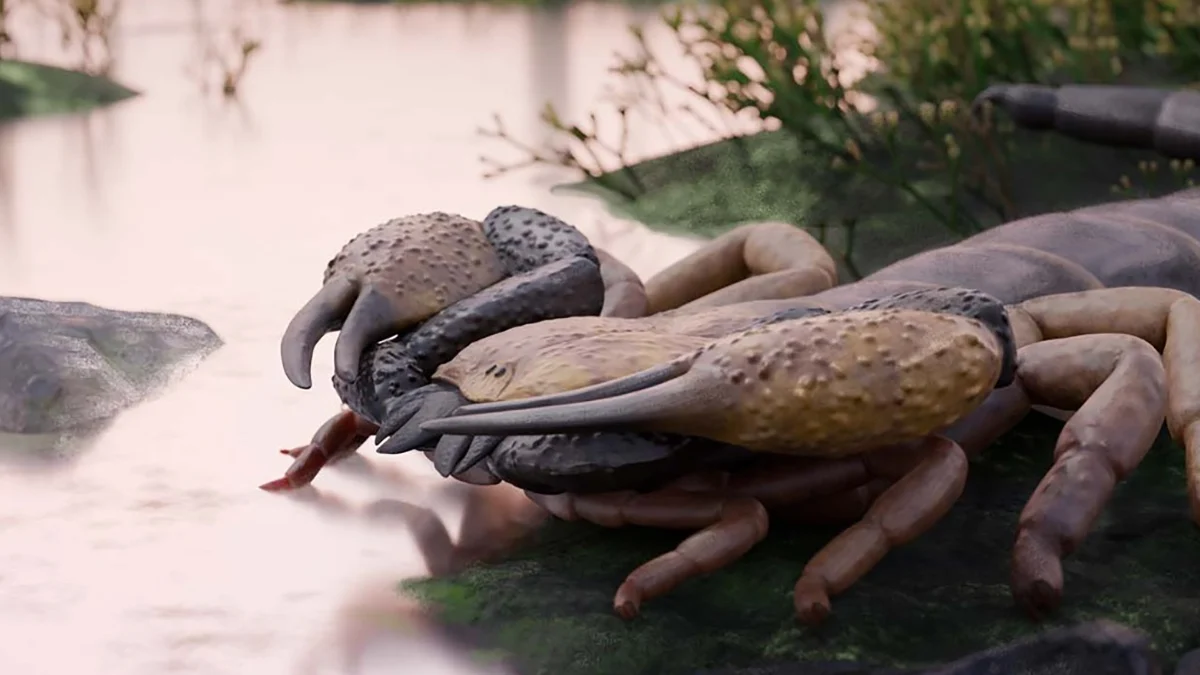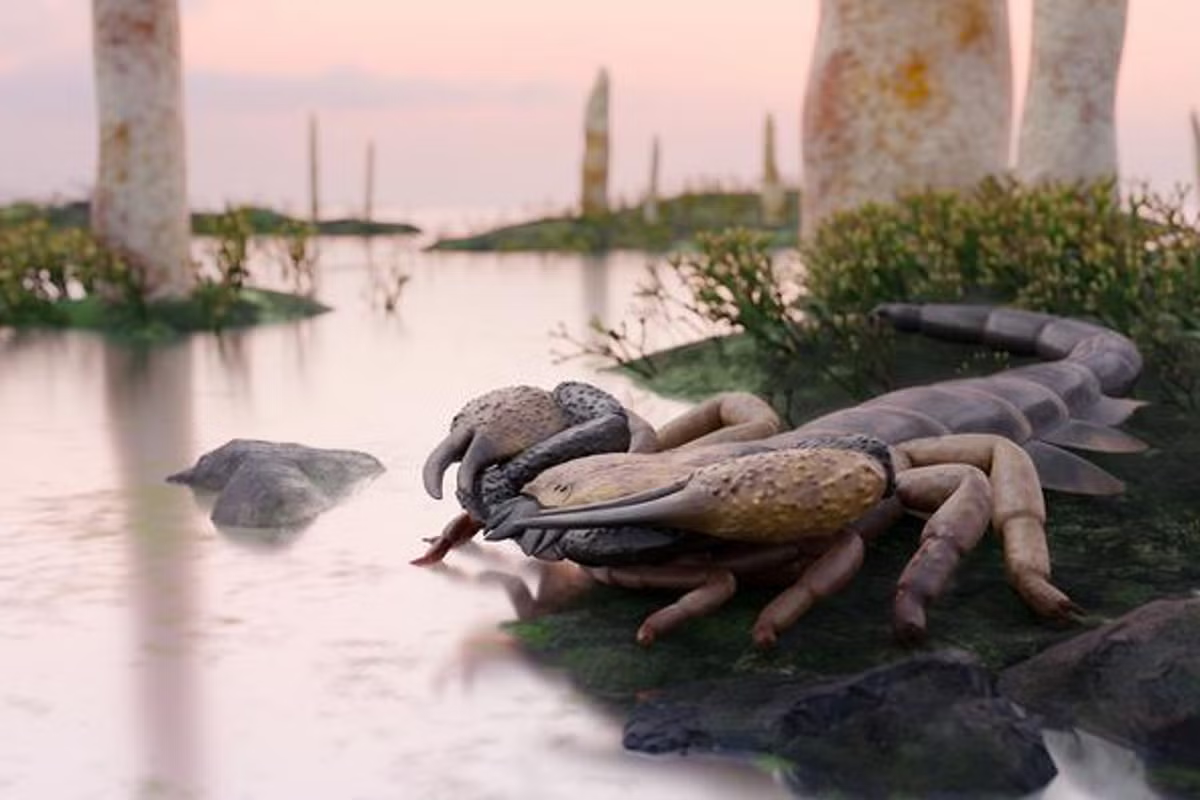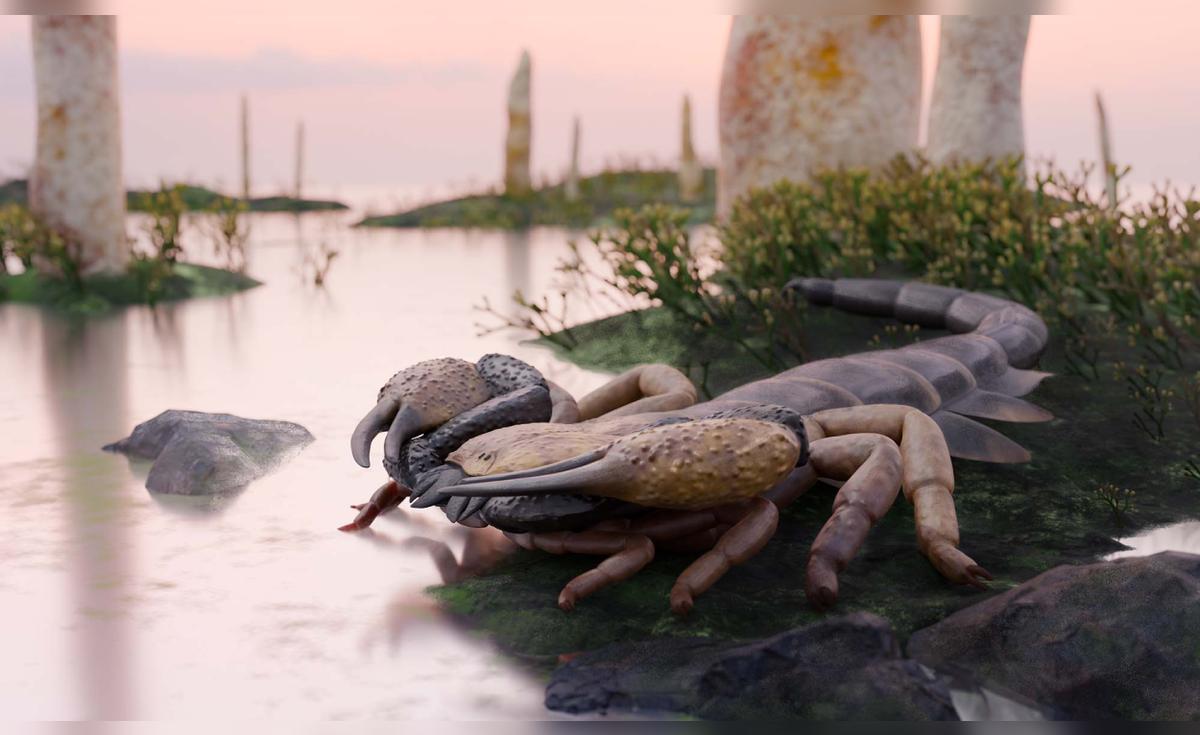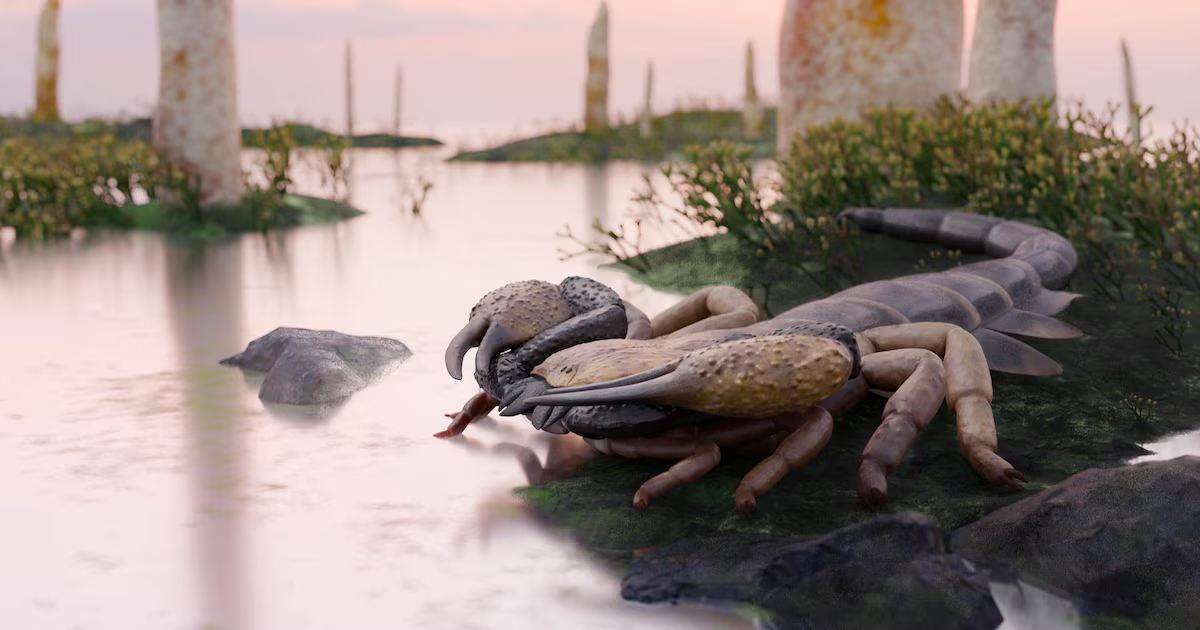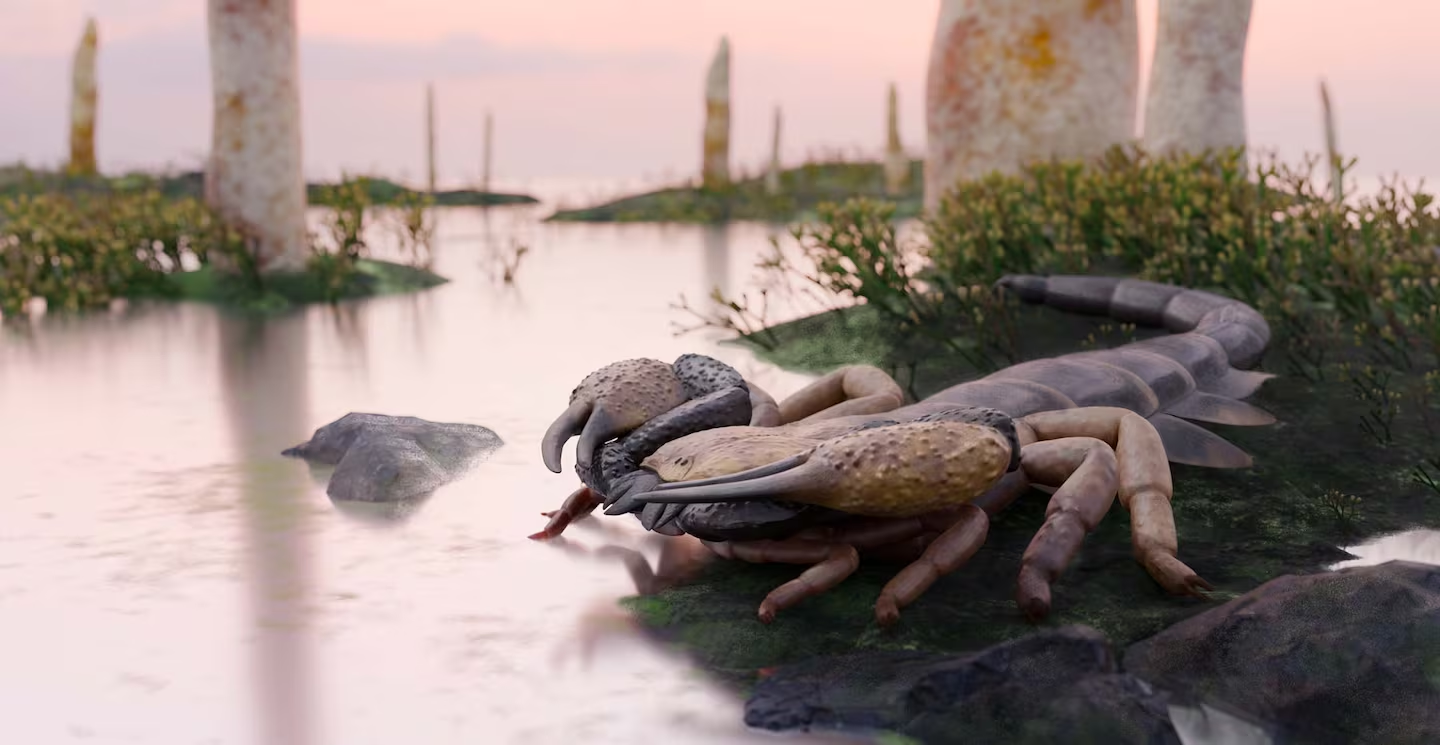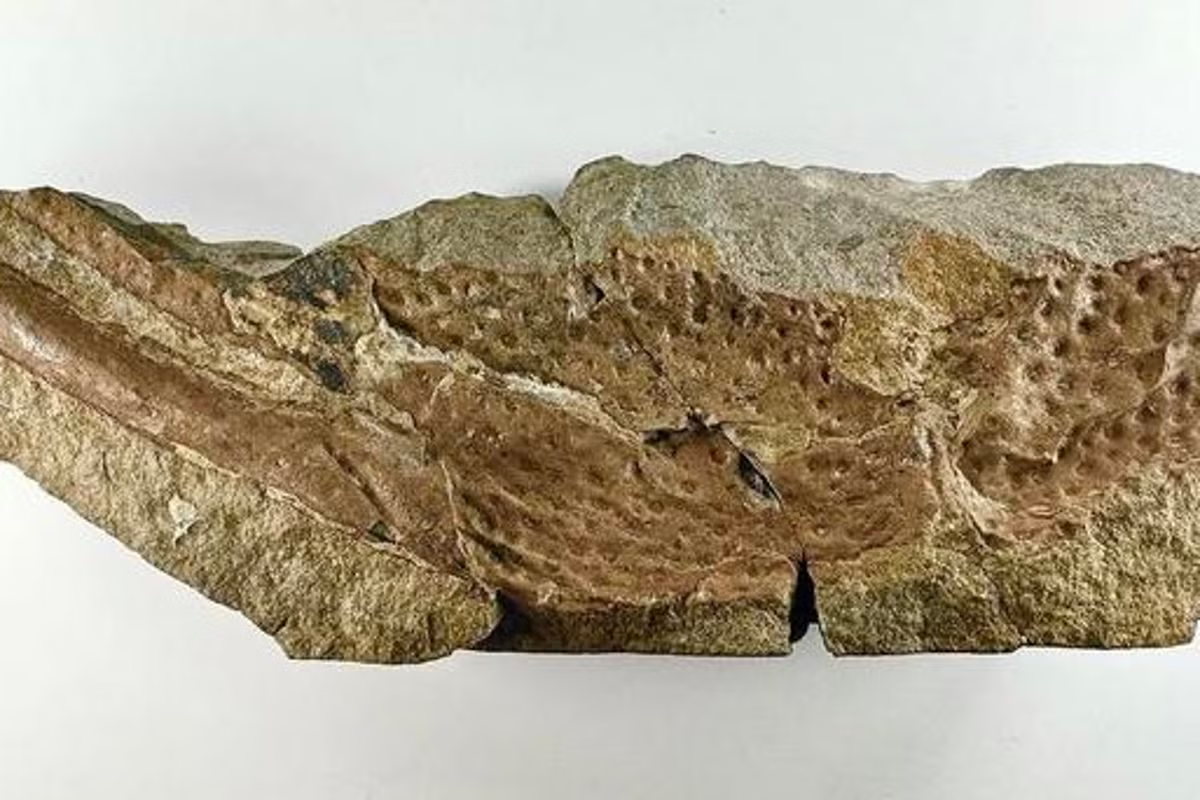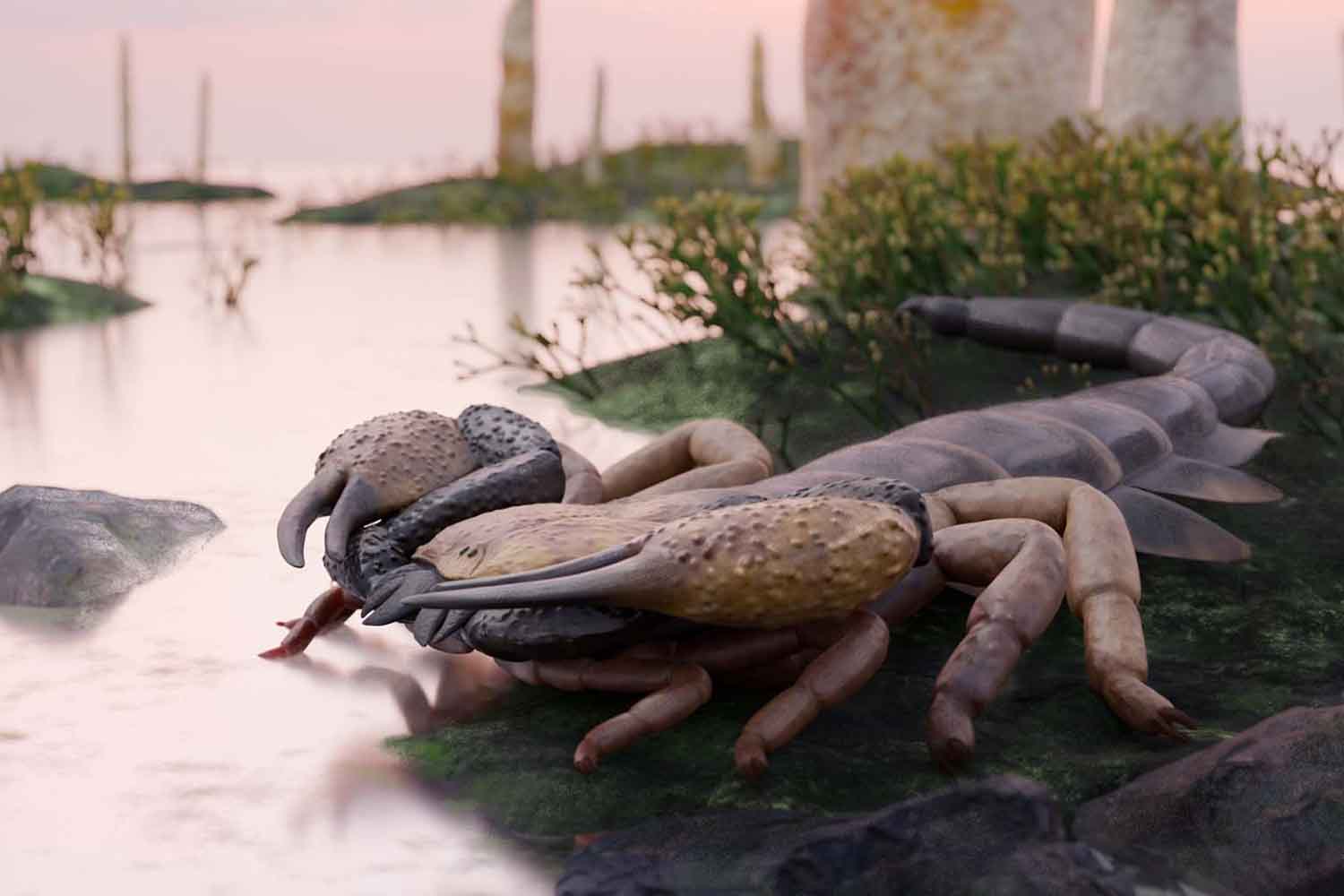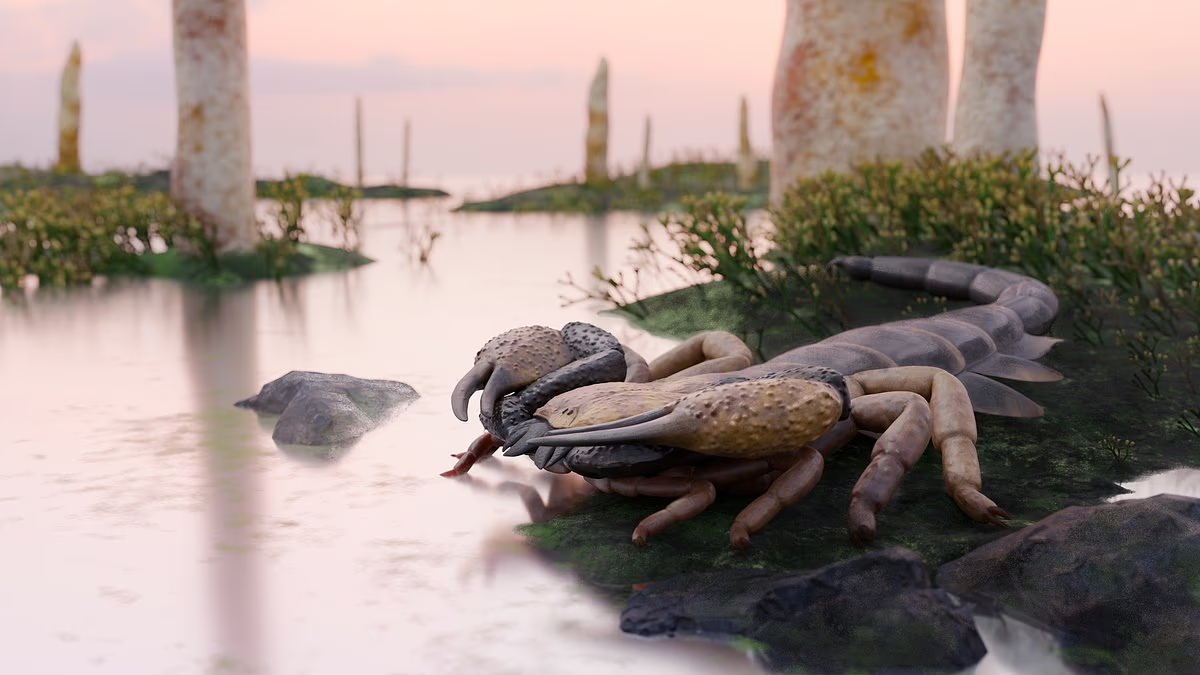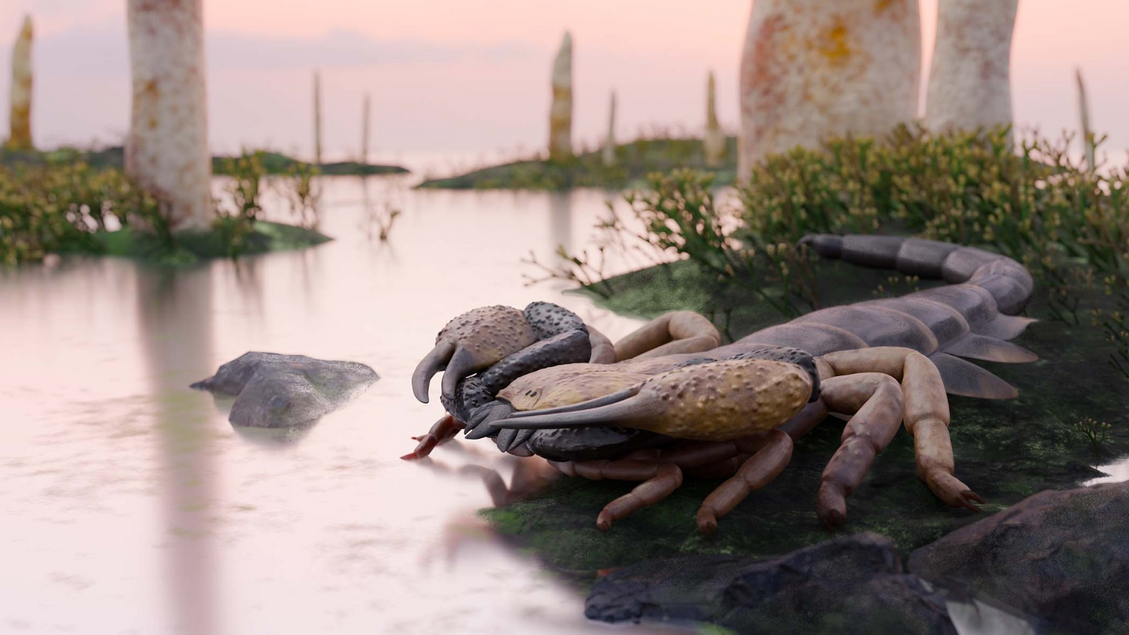
Scientists have confirmed the discovery of the largest scorpion ever known to have existed, after reexamining fossil fragments collected more than 150 years ago.The giant creature, named Praearcturus gigas, once lived across what is now England and Wales during the Early Devonian period. Measuring around one metre long, this prehistoric predator challenges previous ideas about how early animals grew to enormous sizes.Researchers from The University of Manchester and the Natural History Museum used modern techniques to study fossils that had remained in museum collections since the 1870s, as per a report by the University of Manchester.How was the giant scorpion discovered?You Might Also Like:The fossil fragments of Praearcturus gigas had been stored in the Natural History Museum collection for more than a century. Originally discovered in 1871, the fossils were difficult to classify because important features, including the tail, were missing, as per a report by the University of Manchester.For years, scientists believed the remains belonged to a giant crustacean similar to a woodlouse. However, new research using modern imaging techniques and comparisons with recently discovered fossils revealed that the animal was actually a scorpion.The study, published in the journal Palaeontology, concluded that Praearcturus gigas was a distinct scorpion species and the largest known example ever found.Dr Richard J. Howard, Curator of Fossil Arthropods at the Natural History Museum, London, and lead author of the study, explained the importance of the discovery.You Might Also Like:“When we think of giant arthropods, people often picture Carboniferous rainforests with giant millipedes or dragonfly-like insects from later in Earth’s history. But Praearcturus lived at least 50 million years earlier, well before the evolution of trees, when life on land was only just getting started.”“Confirming that this animal is a scorpion fundamentally changes our understanding of how and when these creatures evolved to such extraordinary sizes.”Why was this scorpion unusually large?You Might Also Like:Praearcturus gigas lived during a time when life on land was still developing. Small plants and fungi had only recently started spreading, while forests and complex ecosystems had not yet appeared.Unlike later giant arthropods, this ancient scorpion did not grow large because of high oxygen levels linked to forests. Instead, researchers suggest its size may have been connected to a world with fewer large predators and less competition.Dr Russell Garwood, Palaeontologist at The University of Manchester, said the discovery changed how scientists view early giant animals, as per a report by the University of Manchester.“Praearcturus has puzzled us palaeontologists for more than a century. By bringing together material from several collections and using cutting edge imaging techniques, we've been able to build a clearer picture of the animal than was previously possible, which is really exciting.”He added, “What makes Praearcturus so interesting is that it became enormous at a time when life on land was otherwise very small.”Did Praearcturus live in water?The fossils suggest that Praearcturus may have had a partly aquatic lifestyle. Some specimens showed flap-like structures on the abdomen that are similar to those found in modern crustaceans such as lobsters. These features suggest the giant scorpion may have moved between water and land.Researchers also found that scorpions from this period appear more commonly in fossils compared with other arachnids. This supports the possibility that some early scorpions lived in freshwater environments, where their remains were more likely to survive.Dr Garwood and his team suggested that Praearcturus existed during a key moment in Earth’s history when animals were beginning to explore life beyond the oceans.Dr Greg Edgecombe, Merit Researcher at the Natural History Museum, London, and co-author of the study, said:“The boundary between land and sea was much less defined at this time. Praearcturus gives us a fascinating glimpse into how early animals adapted to these changing environments.”“It may even represent a lineage that returned to the water after earlier ancestors had already begun living on land.”What does the discovery reveal about prehistoric life?The discovery of Praearcturus gigas is changing scientists’ understanding of prehistoric giant arthropods.The enormous scorpion lived tens of millions of years before famous giant insects and other arthropods appeared later in Earth’s history. Its existence suggests that environmental opportunity, including the absence of major competitors, may have played a major role in allowing some creatures to become massive.The research also highlights the importance of museum collections. Fossils collected over a century ago can still reveal new information when studied with advanced technology.Dr Howard said, “Specimens collected over a century ago can still hold entirely new insights. By revisiting them with modern techniques, we can uncover discoveries that reshape our understanding of life on Earth.”The discovery of the world’s largest known scorpion offers a rare glimpse into an ancient planet where animals were still experimenting with new ways of surviving on land and in water.FAQsHow big was Praearcturus gigas?Around one metre long.When did it live?About 415 million years ago.
This 415-million-year-old monster scorpion existed before trees, and it's the biggest ever
Scientists have identified Praearcturus gigas, a one-meter-long scorpion from the Early Devonian period, as the largest scorpion ever discovered. This prehistoric predator, living around 415 million years ago, challenges previous notions of giant arthropod evolution, possibly growing massive due to low competition and aquatic adaptations.
801 words~4 min read