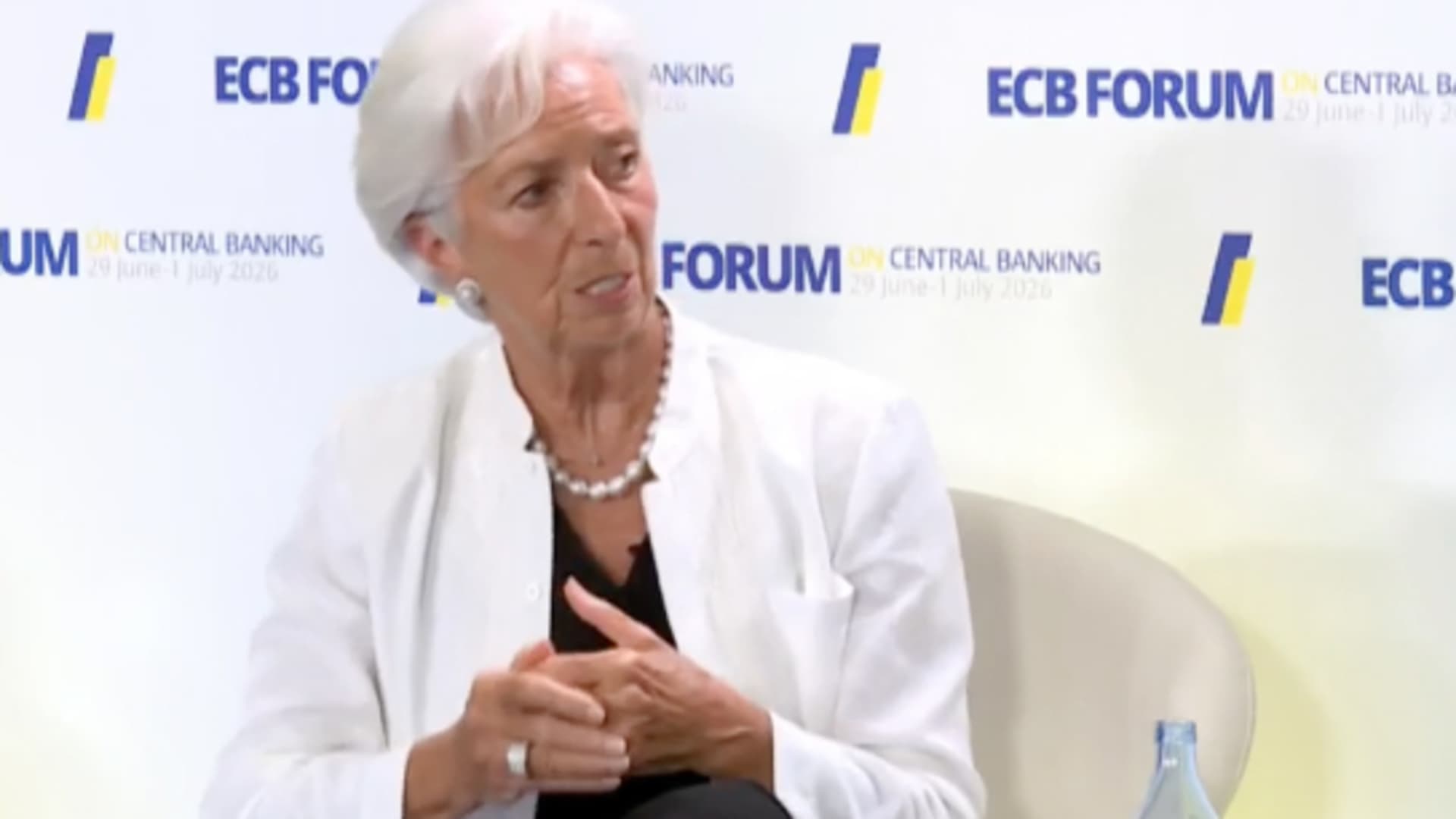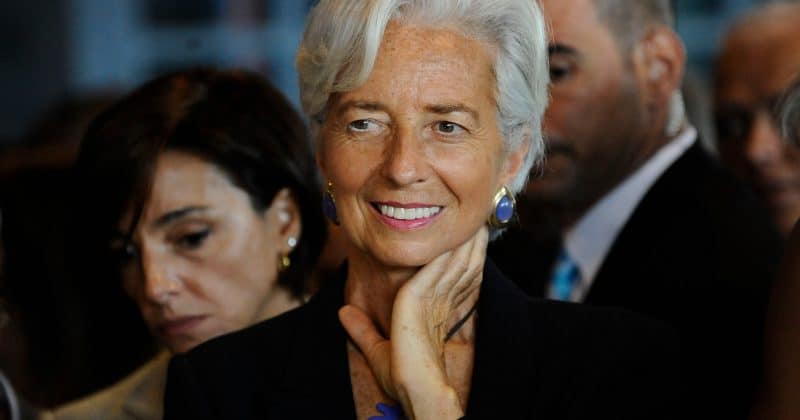
The ongoing conflict between the United States and Iran, particularly in the strategic Strait of Hormuz, is adding layers of uncertainty to the European Central Bank’s (ECB) interest rate decisions. This development comes as hostilities in the region have escalated, with Iran effectively closing the Strait following attacks on commercial shipping and renewed U.S. military strikes on Iranian targets. The Strait of Hormuz, a critical passage for about 20% of the world’s oil supply, has become a focal point of tension that could further strain global energy markets. As a result, the ECB is reportedly re-evaluating its monetary policy stance amid these volatile conditions.
Key Takeaways
The situation in Hormuz appears to have prompted the ECB to reconsider its interest rate strategy, consistent with a more cautious approach amid geopolitical tensions.
Market behavior suggests a decreased likelihood of a US-Iran deal in 2026 that includes reconstruction funding, reflecting heightened uncertainty from the conflict.
Prices in prediction markets related to the US-Iran deal have shown fluctuations, with indications consistent with a less favorable outlook for agreement on specific terms.