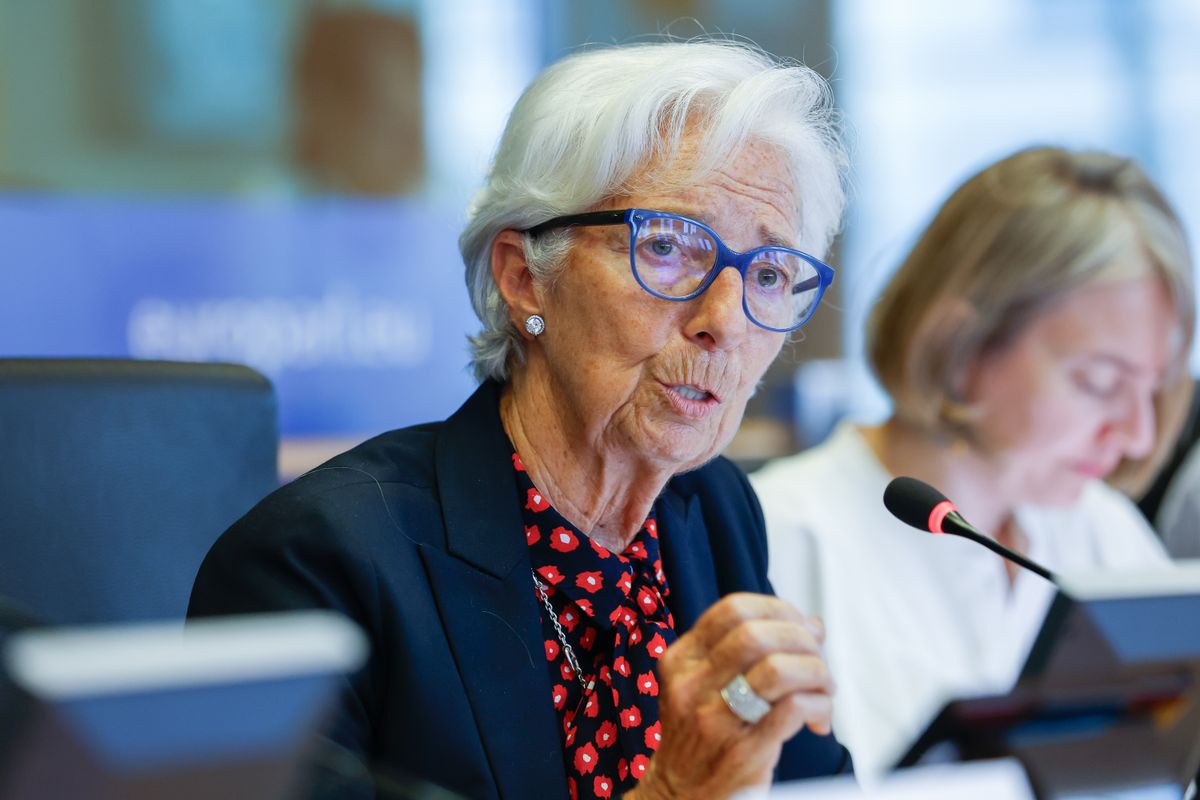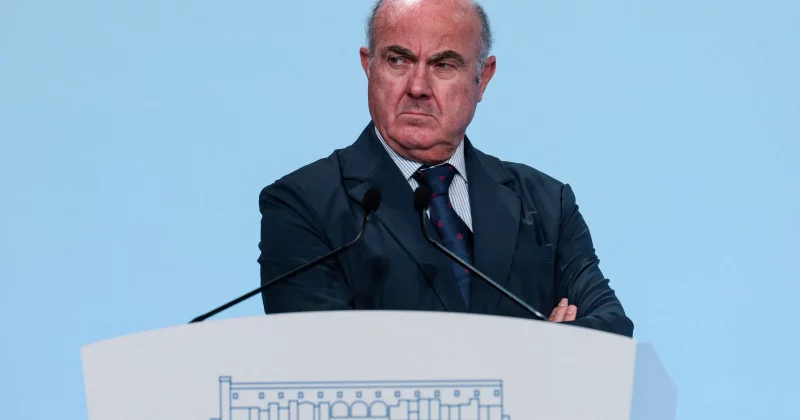
The European Central Bank is sounding alarms about the economic fallout from the US-Iran conflict, warning that energy price shocks and rising inflation could tip fragile European economies into recession. ECB President Christine Lagarde has gone so far as to say markets are being “overly optimistic” about what this all means for the global economy.
The ECB’s growing anxiety
On March 27, 2026, Lagarde publicly cautioned that financial markets were underestimating the economic damage from the Iran conflict. Stock prices had already taken notable hits, but the ECB’s concern runs deeper than equity volatility.
On April 30, 2026, the ECB’s Governing Council held interest rates steady. Before the conflict escalated in late February 2026, the ECB had been on a path toward easing monetary policy. Rate cuts were on the table. Those plans got shelved as early as March 19, when it became clear that the geopolitical situation was going to make inflation worse, not better.
The bank’s updated forecasts paint a grim picture. Inflation expectations for 2026 were raised to 2.6%, while GDP growth projections were cut. Germany and Italy, two of Europe’s largest economies, were flagged as particularly vulnerable.