See more Daily Mail on Google - save us as a Preferred SourceBy SABRINA PENTY, FOREIGN NEWS REPORTER Published: 10:29 BST, 27 May 2026 | Updated: 10:35 BST, 27 May 2026
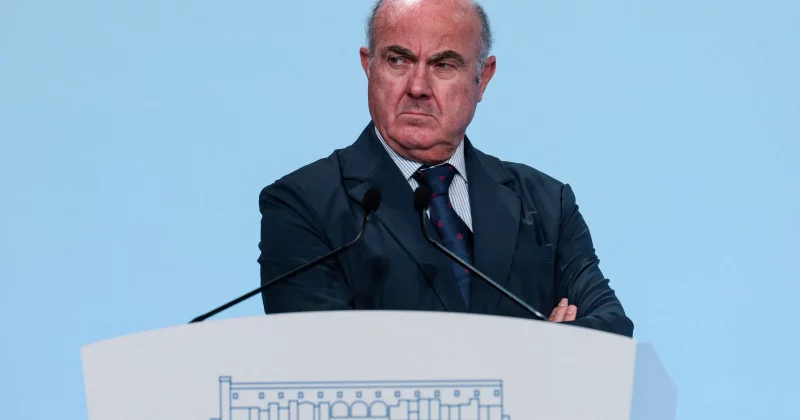
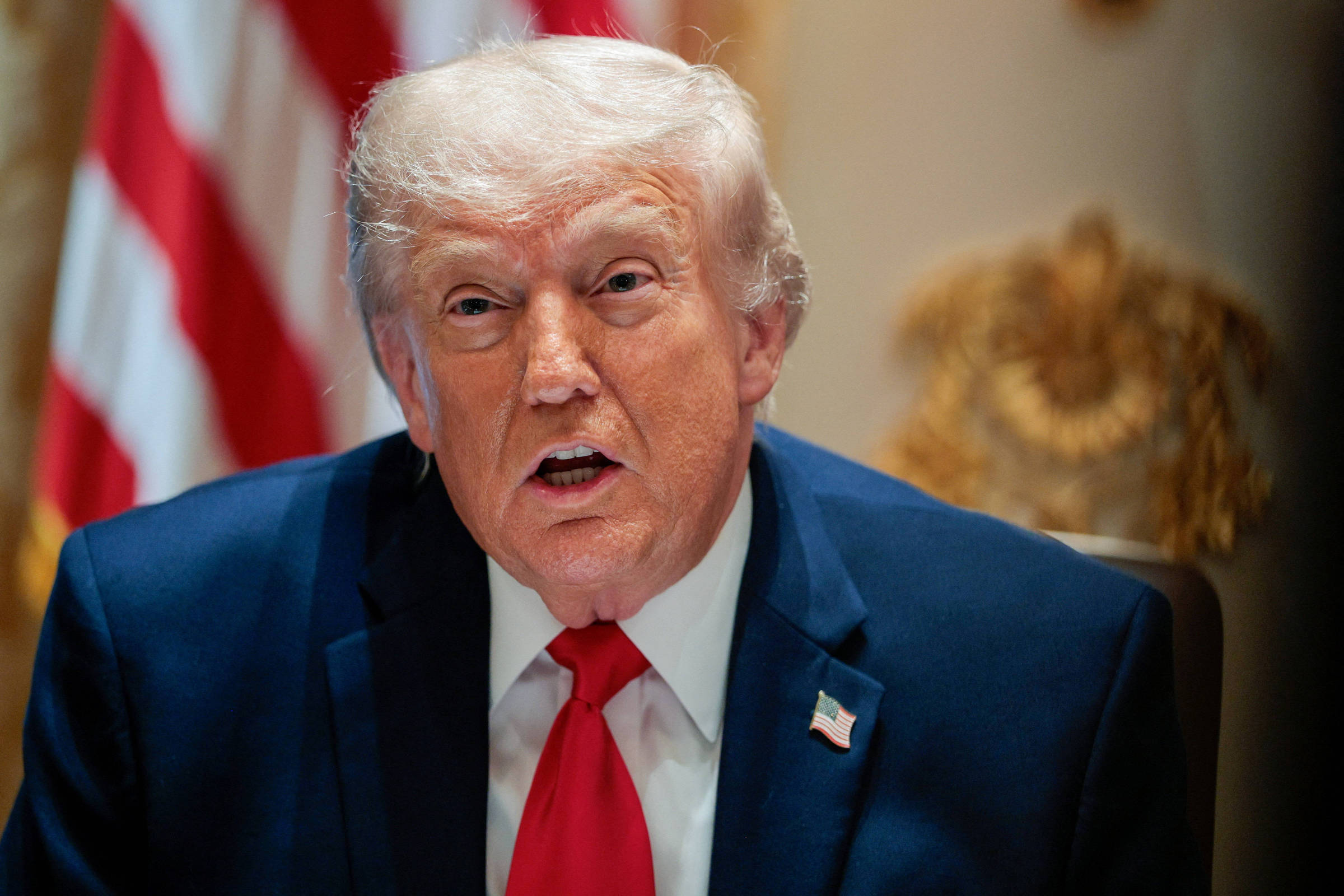
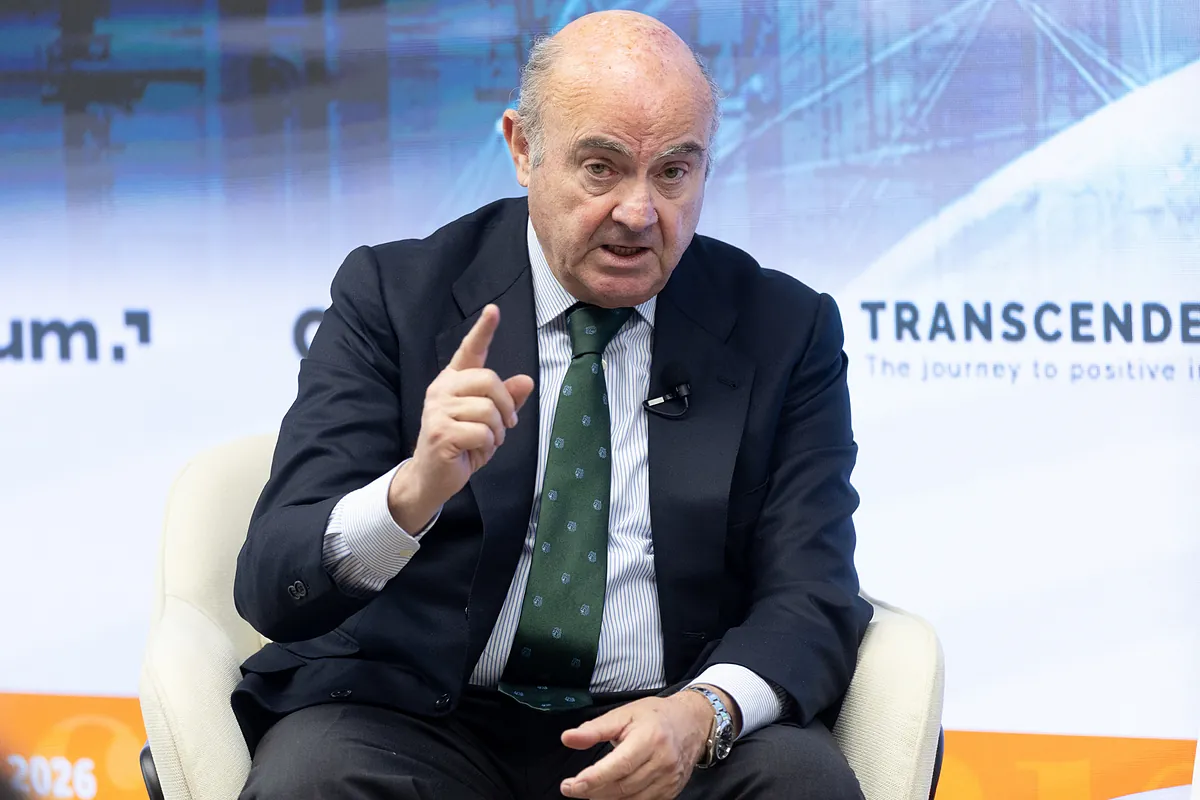
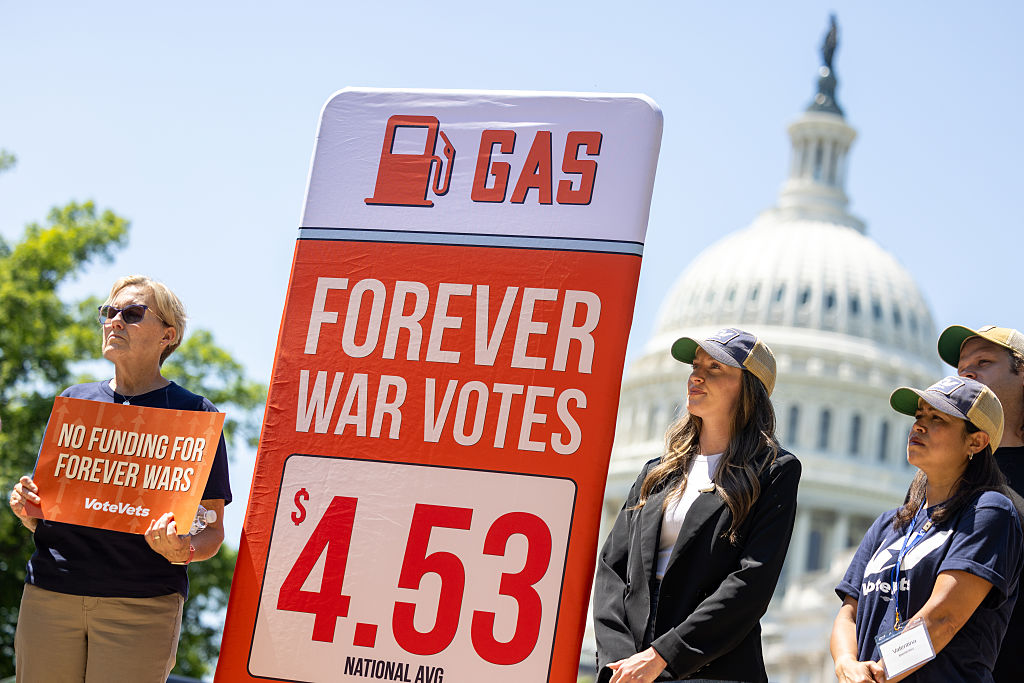
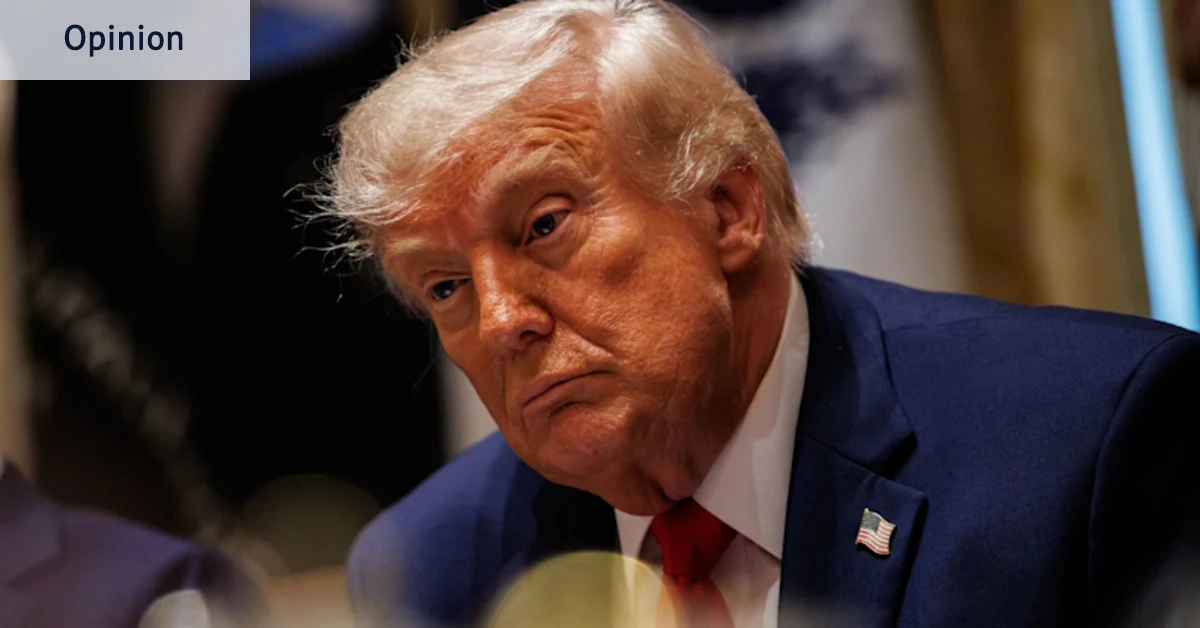
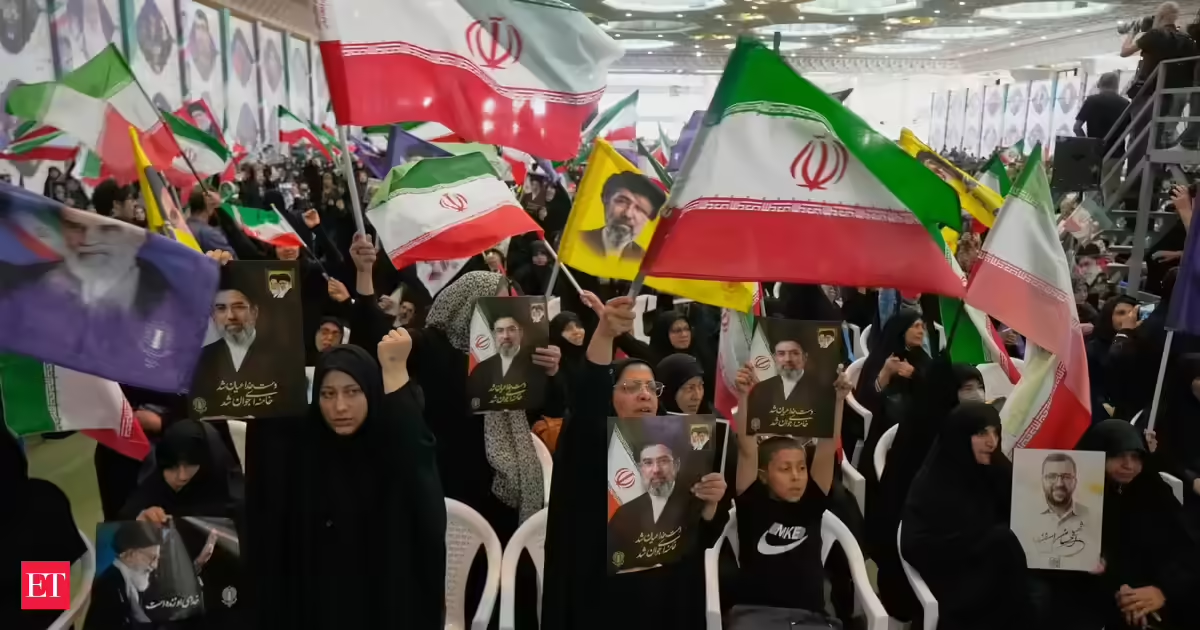
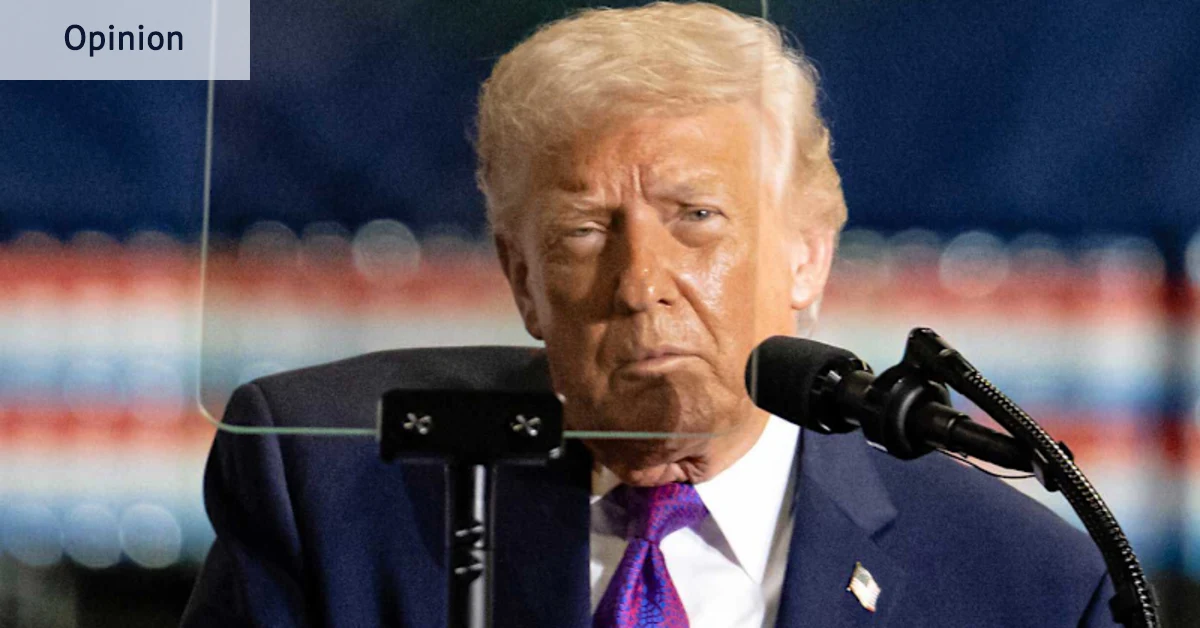
Donald Trump's war with Iran and unpredictable trade policies could spark a global financial crisis, the European Central Bank has warned. The conflict in the Middle East has put the resilience of the financial system 'to the test', ECB Vice President Luis De Guindos recently wrote in a biannual Financial Stability Report. 'While the full impact of the war is unclear at this stage, the repercussions for the global economy and financial stability are becoming graver the longer it lasts,' he said.The economic fallout from the Iran war has driven up inflation and damaged growth, but the ECB also blamed volatility in Trump's trade policies.It also expressed concern that the US president is pulling Washington back from its traditional role of global leadership, exacerbating threats to the financial system.'Uncertainty surrounding the commitment of the US administration to multilateral co-operation is also increasing the risk that policy shocks will disrupt the international order and spur geoeconomic and regulatory fragmentation around the globe,' the bank said 'Tariff announcements, pauses and reversals have become a structural feature of the global environment,' it added.The warning from the ECB comes after Trump said last week that a deal with Iran, including opening the Strait of Hormuz, has been 'largely negotiated'. Donald Trump's war with Iran and unpredictable trade policies could spark a global financial crisis, the European Central Bank has warned Iran's decision to close the Strait of Hormuz after the war started has been a focal point of global concern and economic pain'Final aspects and details of the Deal are currently being discussed, and will be announced shortly,' Trump said on social media on Saturday. He said he had spoken with leaders from Saudi Arabia, the United Arab Emirates, Qatar, Pakistan, Turkey, Egypt, Jordan and Bahrain, and separately with Israel. He described it as a 'Memorandum of Understanding pertaining to PEACE' that must be finalised by the US, Iran and the other countries that participated in the calls. Twelve weeks have passed since the US and Israel attacked Iran on February 28, killing top Iranian officials, including its supreme leader and interrupting nuclear talks between the US and Iran for the second time in less than a year. Iran fired at Israel and at neighbours hosting US forces, shaking Gulf nations that had considered themselves safe havens in a tough region.Tehran's decision to effectively close the Strait of Hormuz for ships carrying regional oil, natural gas and other critical supplies has been a focal point of global concern and economic pain. A ceasefire has held since April 7, but it was shaken on Monday when the US military said it had carried out 'self-defence' strikes in southern Iran, including on missile launch sites and boats placing mines. The strikes were done 'to protect our troops from threats posed by Iranian forces,' but the military was 'using restraint during the ongoing ceasefire,' Captain Tim Hawkins, the spokesman for the US military's Central Command, said in a statement.