The Iran war, which began on February 28, 2026, has handed the world’s central bankers a problem they haven’t faced in years: an energy shock rippling through global markets with no clean playbook for how to respond.
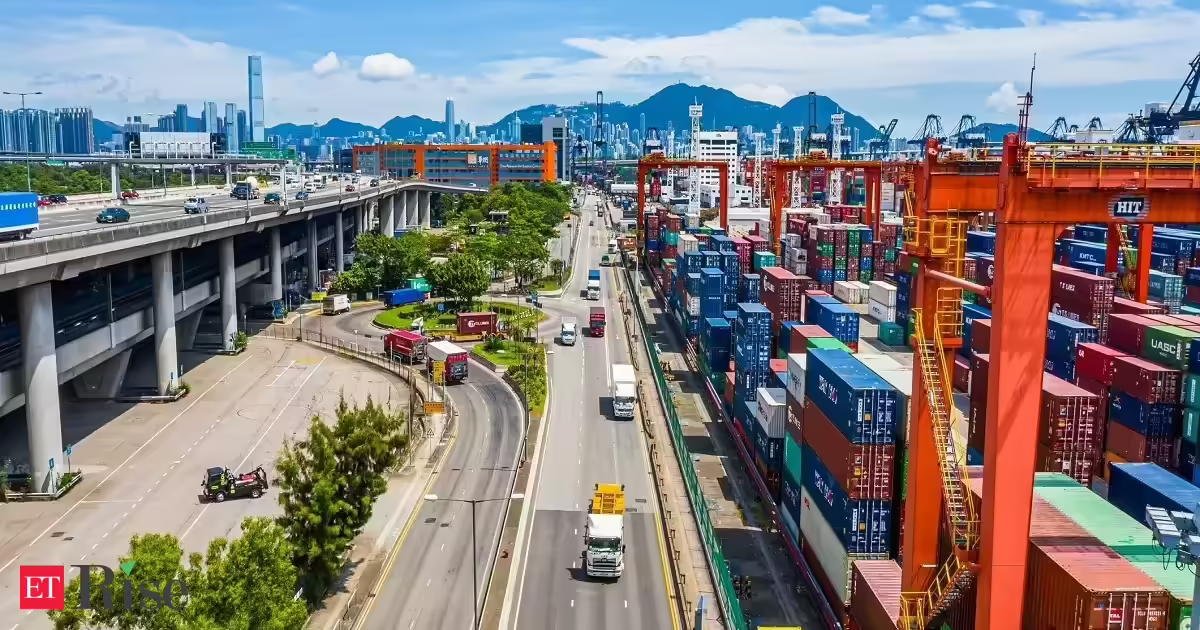
Disruptions in the Strait of Hormuz, one of the world’s most critical oil chokepoints, have sent energy prices surging. And now the institutions responsible for keeping economies stable are openly admitting they don’t know whether inflation or growth will take the bigger hit first.
The ECB blinks first
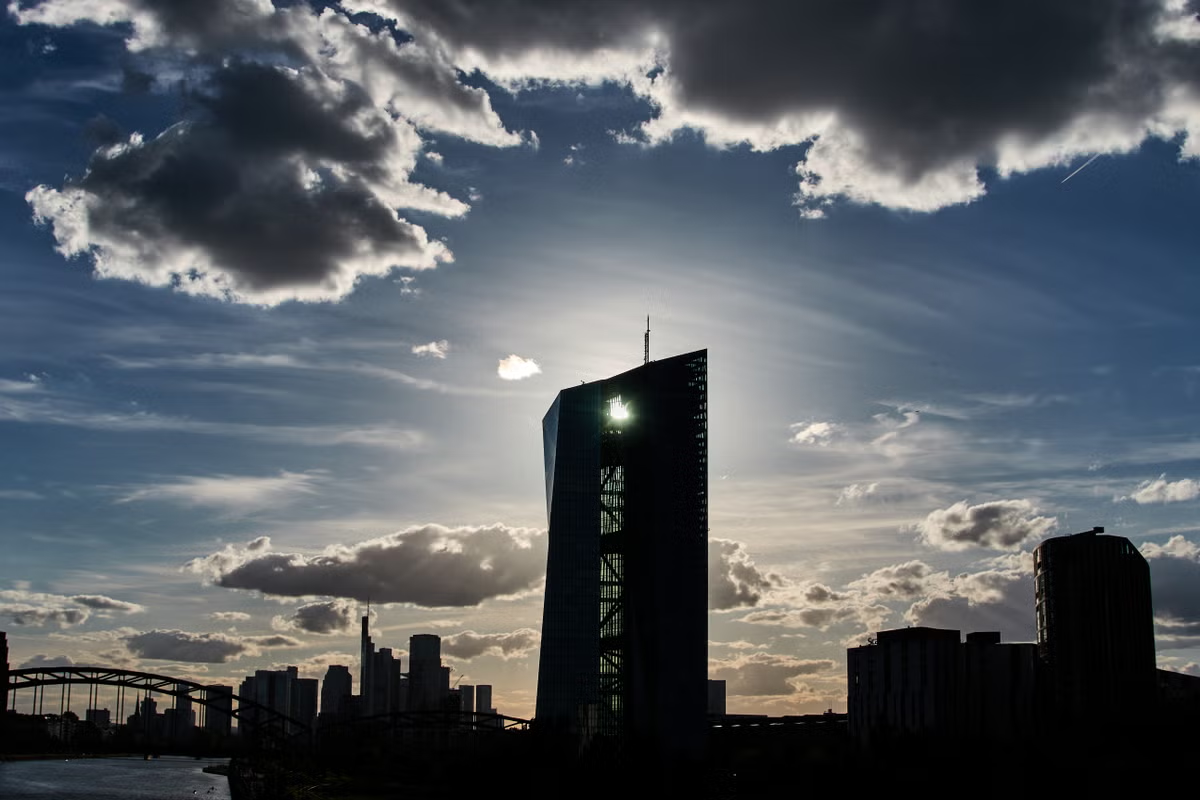
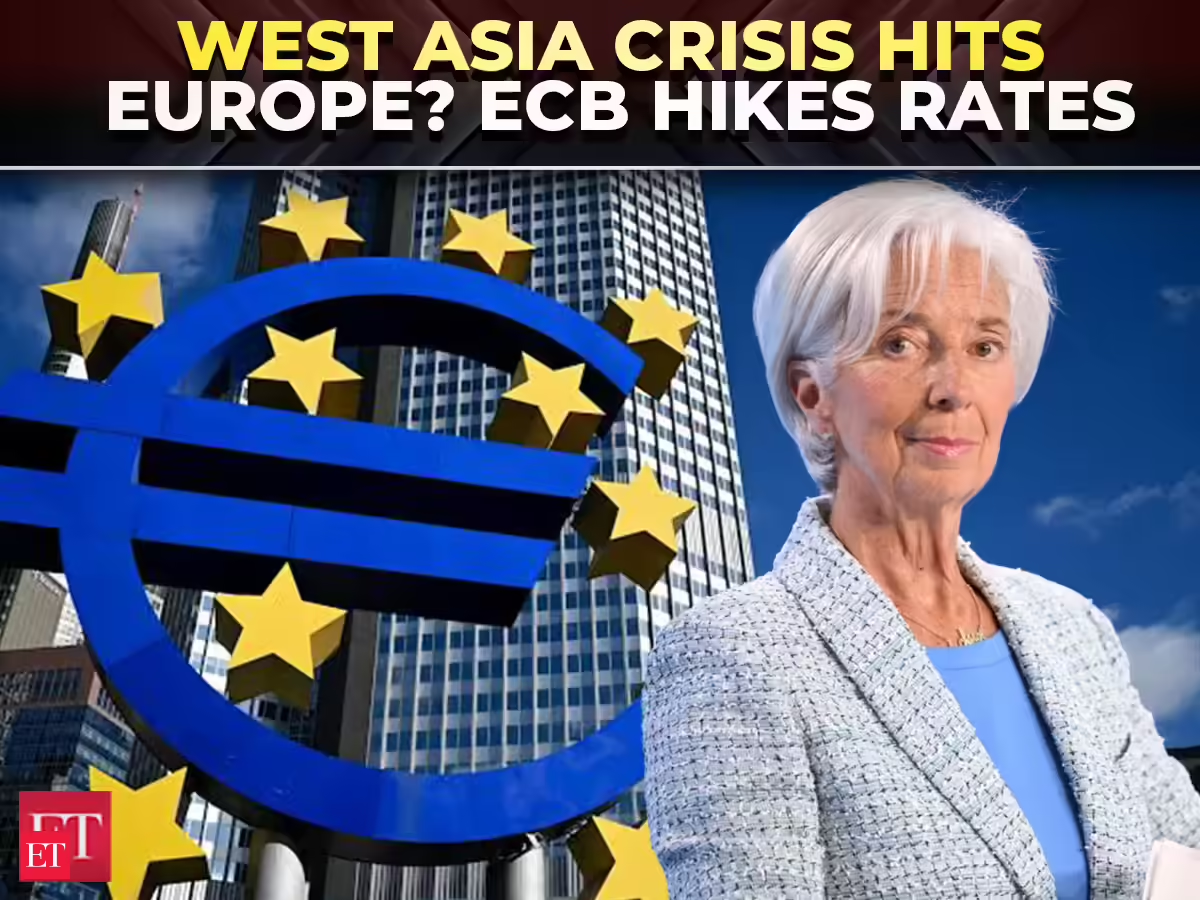
The European Central Bank broke from the pack on June 11, 2026, raising its benchmark interest rate by 25 basis points to 2.25%. It was the ECB’s first rate hike in almost three years, a move that signals just how seriously Frankfurt is taking the inflationary spillover from the conflict.
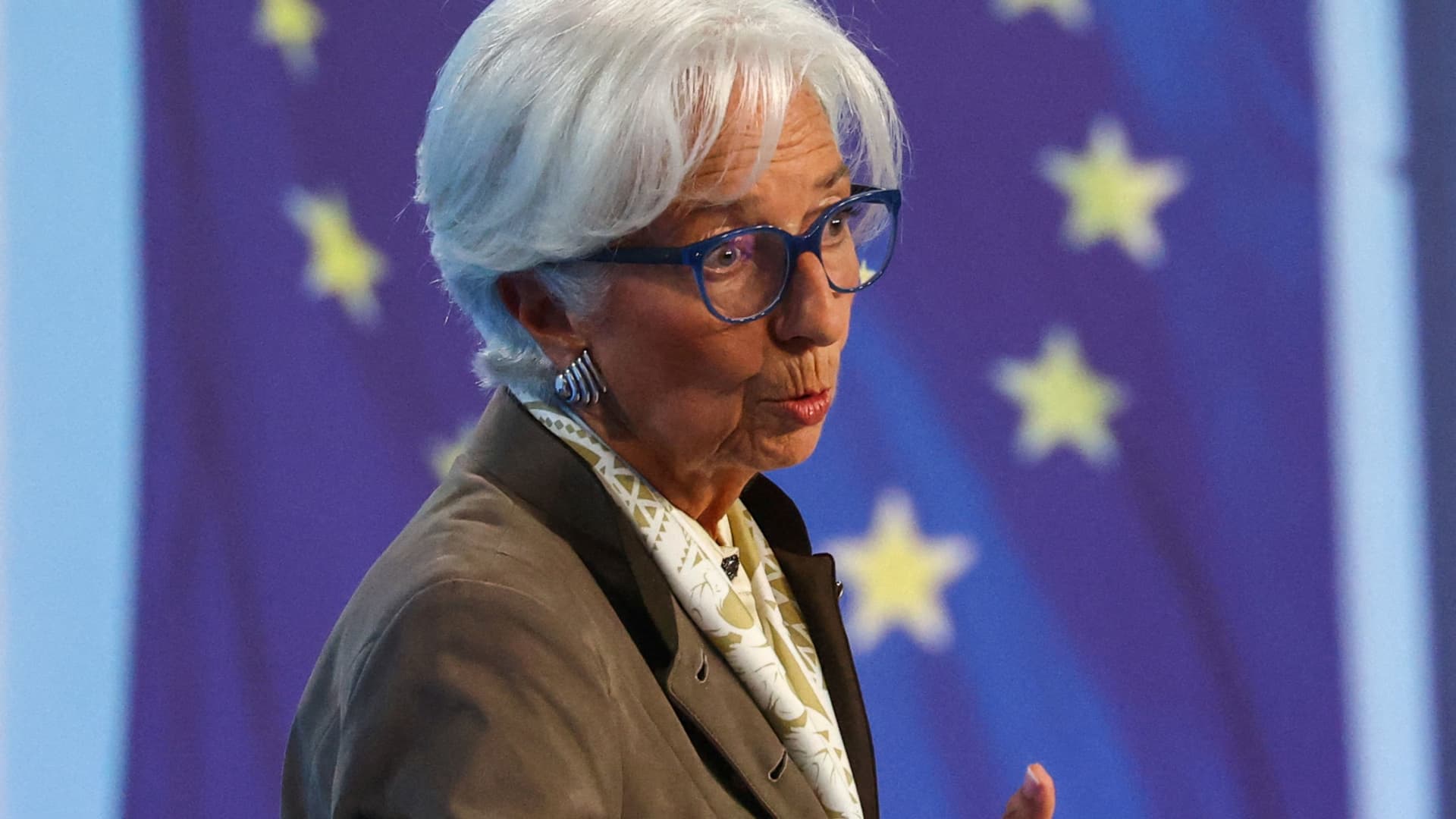
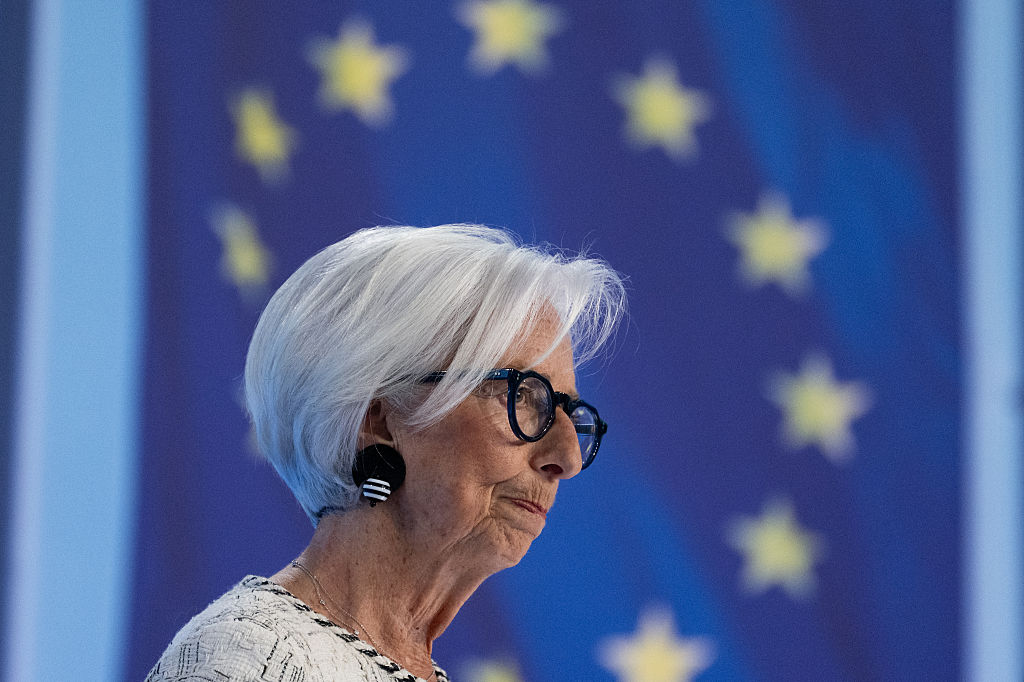
ECB President Christine Lagarde framed the decision as preemptive. The goal: stamp out inflation before so-called “second-round effects” take hold. If workers start demanding higher wages to keep up with rising prices, and businesses pass those costs along, you get an inflation spiral that’s much harder to break.