Two weeks of renewed conflict between Iran and the United States have once again slowed traffic through the Strait of Hormuz to a trickle, restricting energy exports on a waterway that in peacetime carries about a fifth of the world's oil and natural gas.The ECB in June became the first major central bank to raise rates after the near total closure of the strait, putting rates up a quarter of a percentage point to 2.25 percent.The memorandum of understanding signed last month by Washington and Tehran raised hopes of a durable solution to the conflict but the resumption in fighting has sparked fears that eurozone inflation -- which in June eased to 2.8 percent -- might pick up again."Energy prices have reversed the decline that followed the signing of the memorandum of understanding between the US and Iran, making the benign inflation data for June an 'old' piece of information," UniCredit analysts said Monday."The looming risk of military escalation, oil inventories substantially below pre-war levels and intensifying pressure on natural gas prices imply with near certainty that the Governing Council will continue to view risks to price stability as skewed to the upside," they added.Wait-and-seeRising energy prices can give rise to so-called stagflation, a nightmare combination for central banks of stagnant growth and high inflation.If central banks cut interest rates to boost growth during a period of stagflation they run the risk of further aggravating inflation.But if they raise interest rates to tame inflation they risk slowing growth further.Some economists criticised the ECB's move in June as heavy-handed, drawing parallels with rate-hikes in 2011 that some blame for choking off a nascent eurozone recovery after the Great Recession.
New Mideast fighting puts eurozone rate-setters on alert
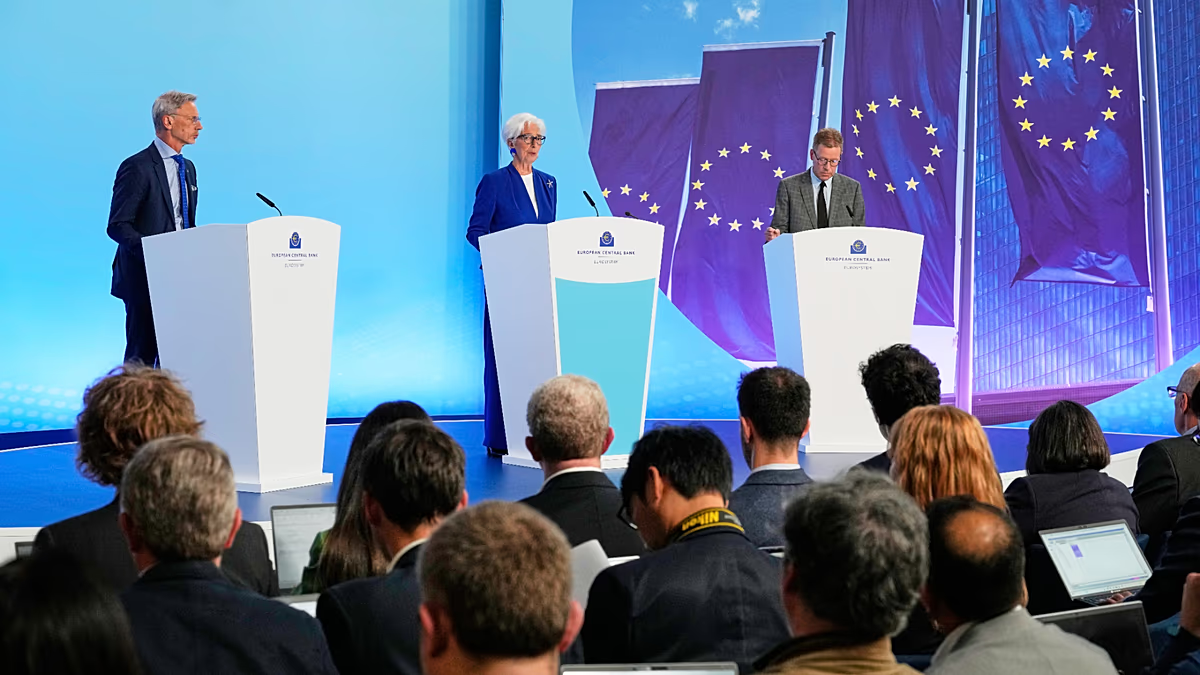
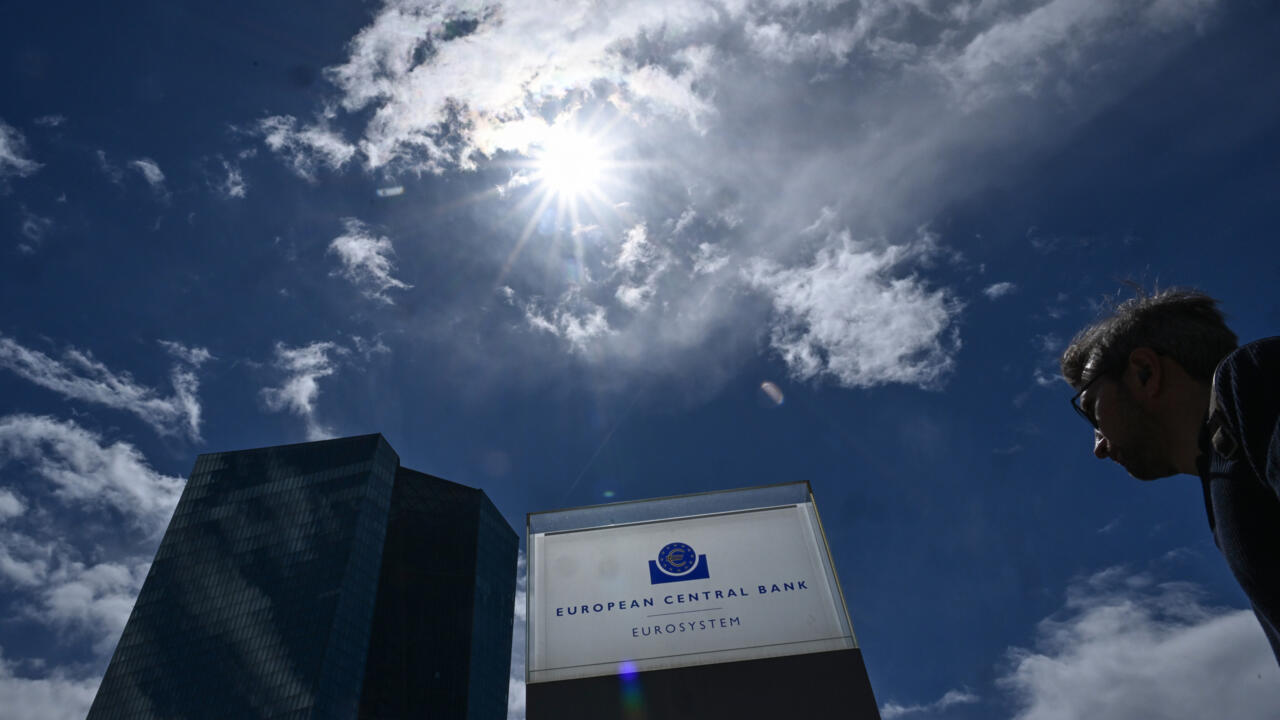
Fresh fighting in the Middle East and rising oil prices have put the European Central Bank on alert ahead of its rate-setting meeting on Thursday.
605 words~3 min read