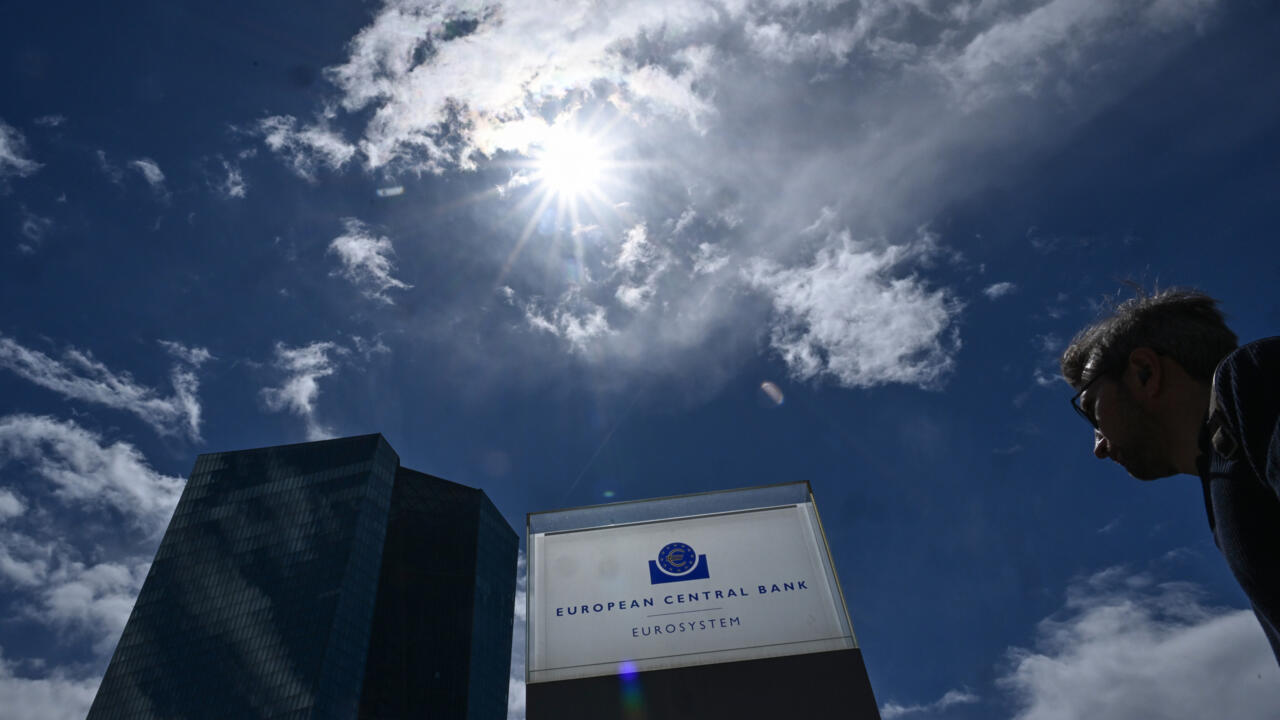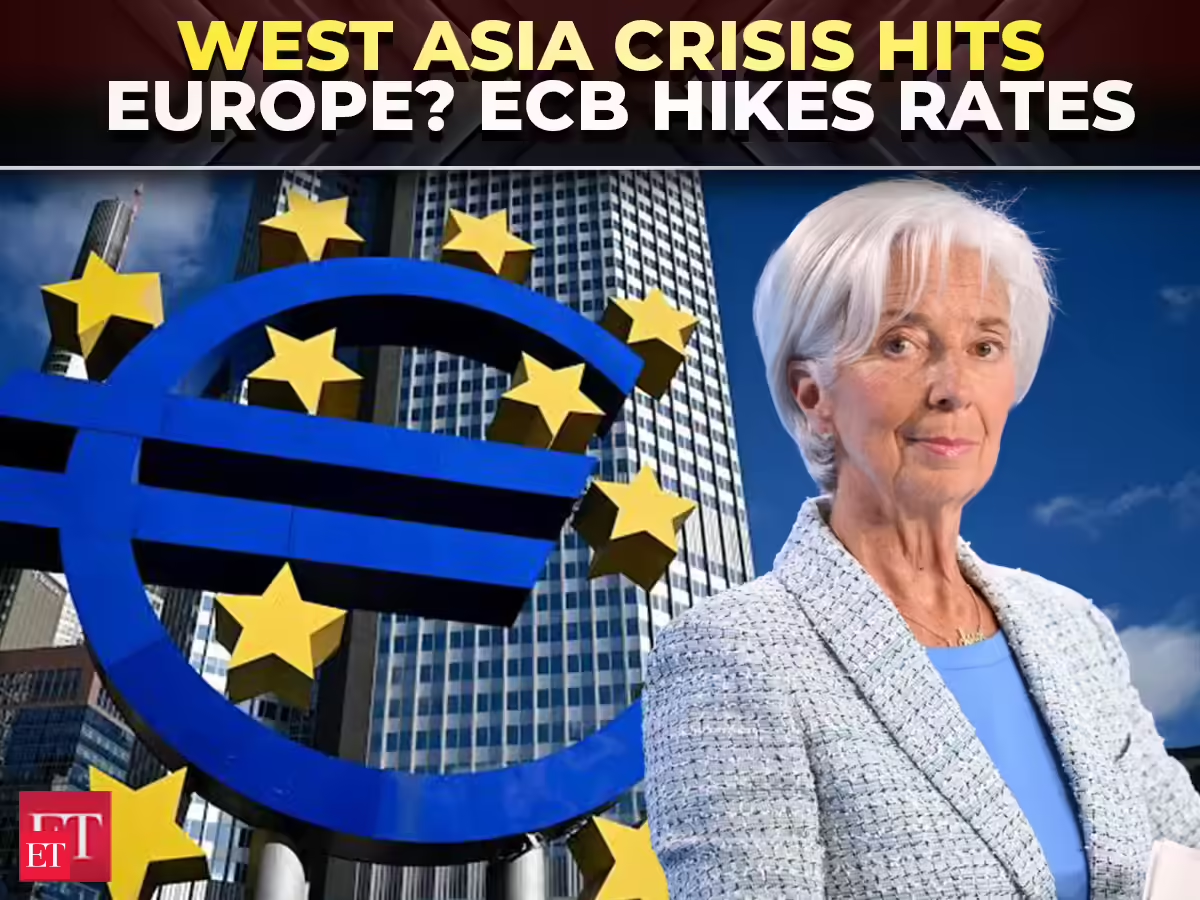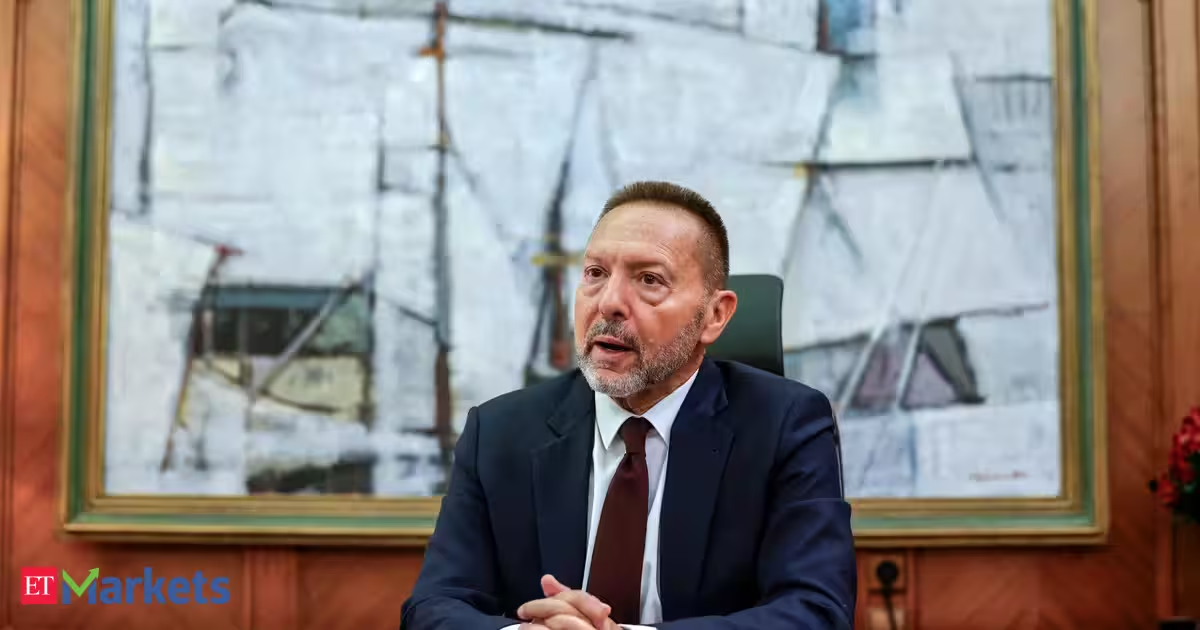
Fresh hostilities between the United States and Iran have pushed the European Central Bank (ECB) back to the starting point in its battle against inflation, as rising energy prices threaten to reignite price pressures across the euro zone, ECB policymaker Yannis Stournaras said on Friday, according to Reuters.Stournaras, who also serves as governor of the Bank of Greece, said renewed conflict in the Middle East had once again heightened uncertainty around the inflation outlook, underscoring the challenges facing monetary policymakers.According to Reuters, Stournaras said the resumption of hostilities highlighted how fragile and volatile the geopolitical situation remains and how difficult it has become to make reliable inflation forecasts in such an environment.The ECB raised interest rates at its June 10-11 policy meeting, and financial markets are now pricing in two additional rate increases over the coming year as policymakers seek to contain the inflationary impact of higher fuel costs stemming from the Iran conflict.Energy prices had briefly eased following a ceasefire agreement between the United States and Iran, reducing immediate pressure on the ECB to tighten policy further. Reuters reported last week, citing four sources, that the sharp decline in energy costs had weakened the case for another rate increase at the ECB's July 22-23 meeting, although policymakers still viewed additional tightening later in the year as likely.However, market expectations have shifted again in recent days as concerns grow that the ceasefire may be unraveling. Traders have increased their bets on further ECB rate hikes as renewed tensions raise the risk of another surge in oil and gas prices.The changing geopolitical backdrop has complicated the ECB's policy outlook, with officials balancing the need to contain inflation against the potential economic impact of higher borrowing costs. Rising energy prices remain one of the biggest risks to the central bank's inflation projections, as per a report by Reuters, making developments in the Middle East a key factor for future monetary policy decisions.
Global Market: Geopolitical risks return to centre stage for ECB as inflation fears resurface
Fresh US-Iran hostilities have pushed the European Central Bank back to its inflation fight. Rising energy prices now threaten to reignite price pressures across the euro zone. This renewed conflict has heightened uncertainty around the inflation outlook for policymakers. Market expectations have shifted, with traders betting on further ECB rate hikes. Developments in the Middle East are now a key factor for future monetary policy.
320 words~1 min read