The ECB lifted borrowing costs in June for the first time since 2023 in response to the jump in eurozone prices triggered by the conflict.After Washington and Tehran struck a deal towards ending the war and inflation started easing back towards the ECB's two-percent target, a hold in rates at the central bank's meeting this Thursday looked like a done deal.But fighting has flared between the two sides again, with Iran declaring key energy route the Strait of Hormuz closed, and oil prices have risen anew. Most analysts however still believe the likeliest outcome is that policymakers will keep the benchmark rate on hold at 2.25 percent."We don't expect any change to interest rates at this meeting," Berenberg bank senior economist Felix Schmidt told AFP. Oil prices had not jumped too sharply, he said, while there were no major signs of knock-on effects in the eurozone, such as higher inflation seeping through to a wider range of goods and services. ING economist Carsten Brzeski said however that there is "a small chance that the ECB will hike", but that a hold is still the most likely scenario.The changing picture is nevertheless likely to make for tense discussions among the ECB's "hawks", who favour rate hikes, and the "doves", who advocate looser policy."Instead of a summer lull, the meeting promises one last clash between the hawks and doves before anyone reaches for the sunscreen," said Brzeski.Clues on path ahead?
New Mideast fighting keeps eurozone rate-setters on edge
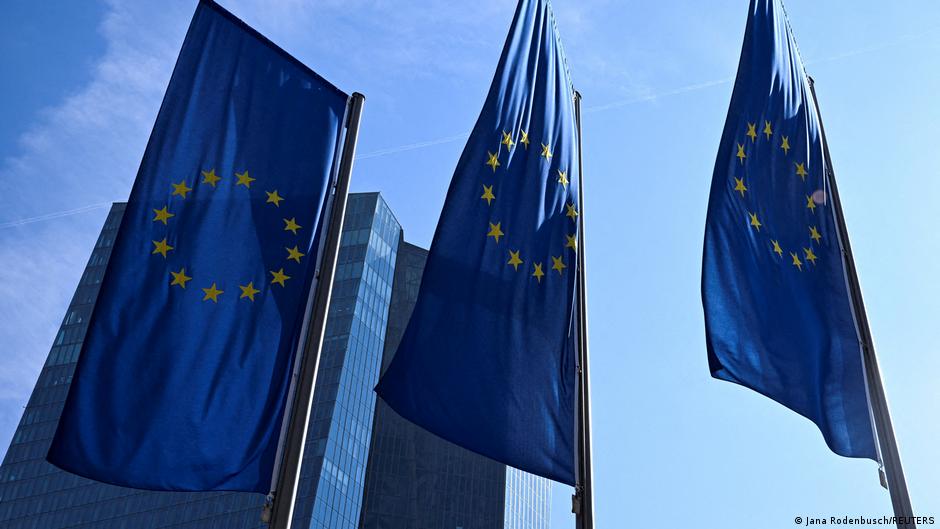
Fresh fighting in the Middle East and renewed energy price rises have thrown a curveball at the European Central Bank as policymakers mull whether to hike interest rates again this week.
516 words~2 min read