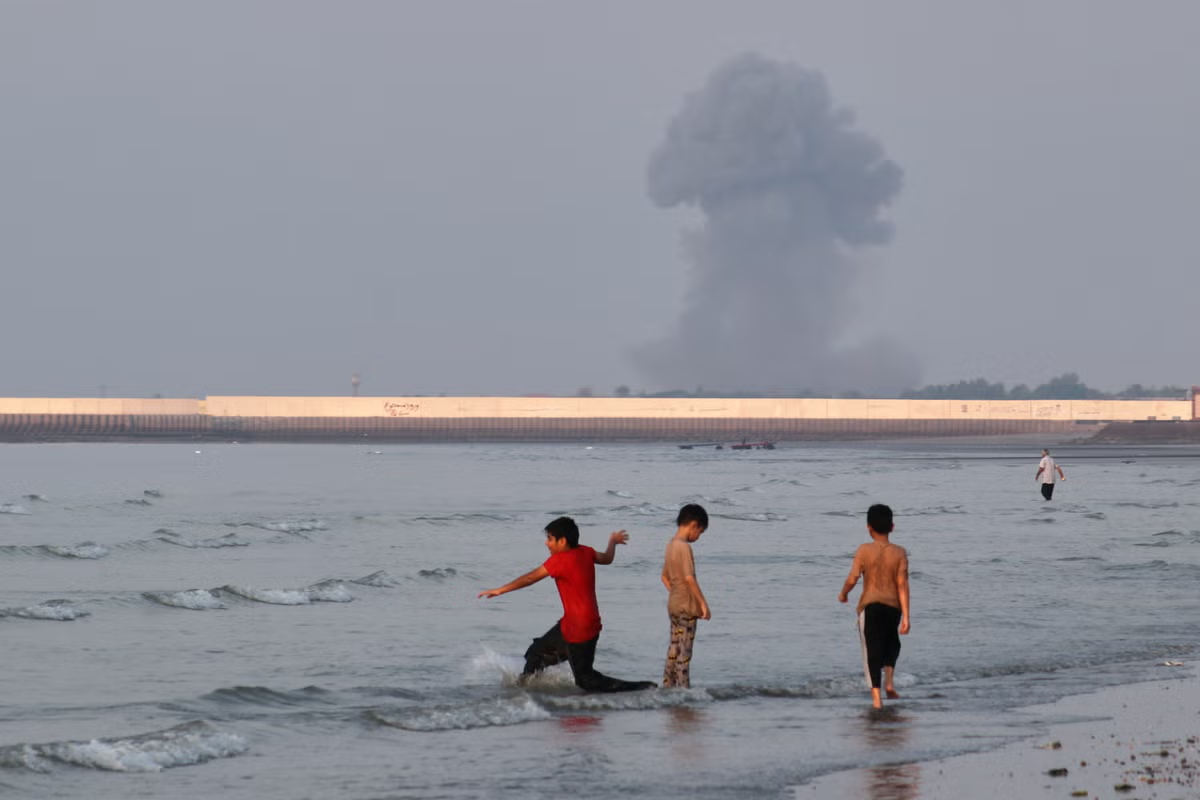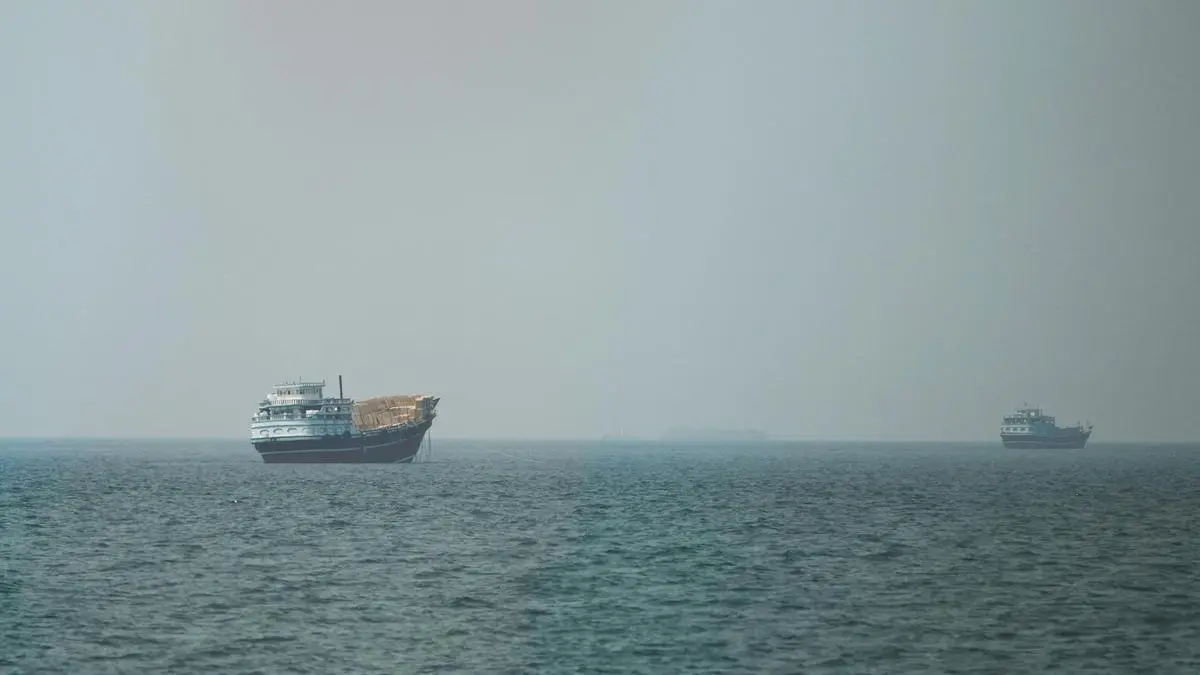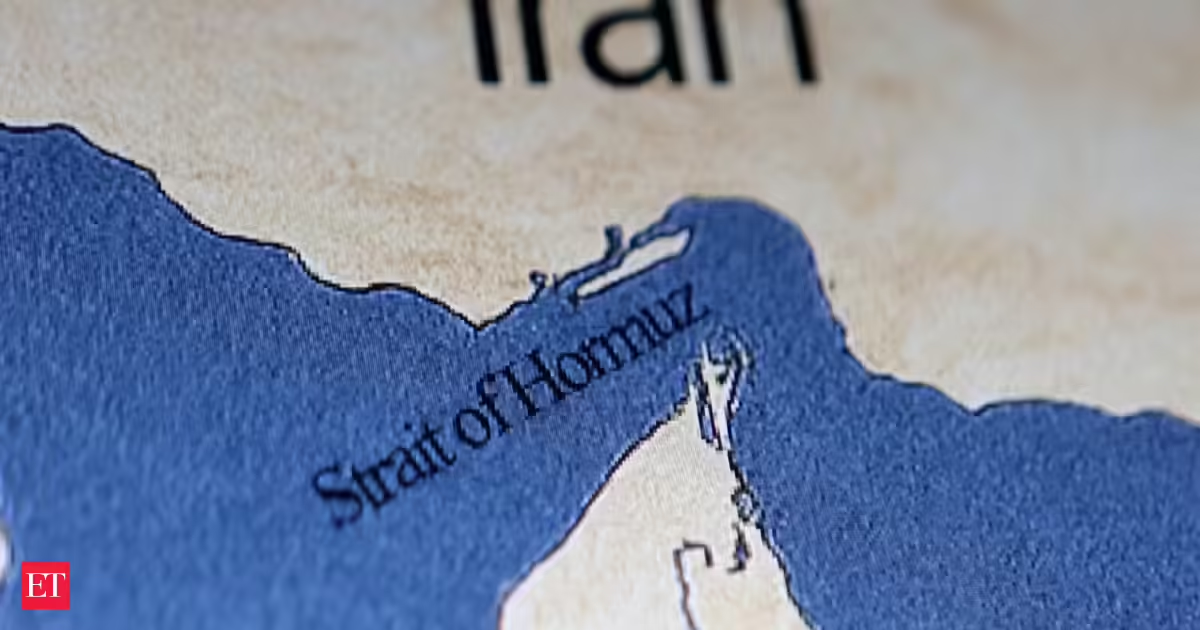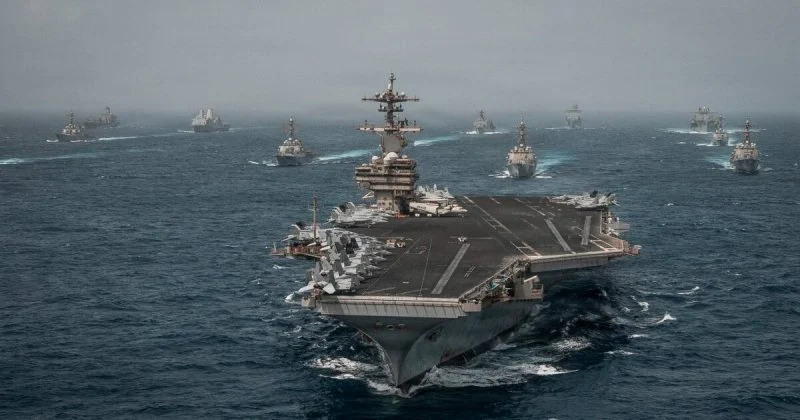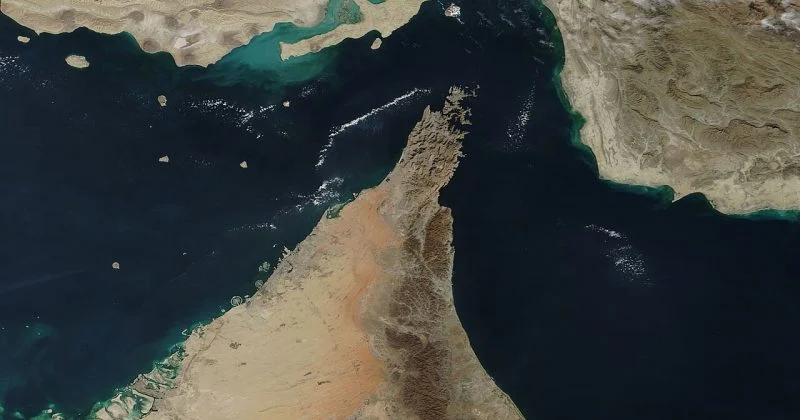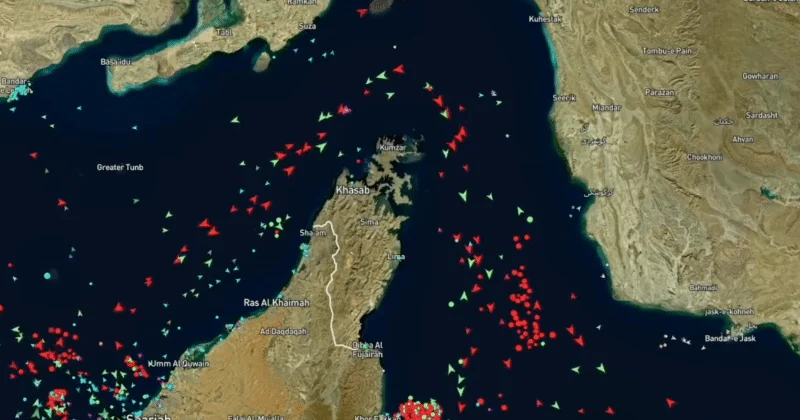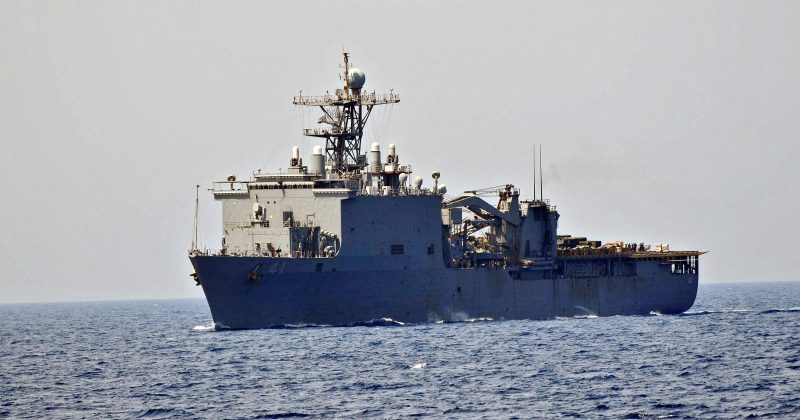
The United States has reinstated its naval blockade on Iranian ports, a move that has caused disruption in the Strait of Hormuz and resulted in rising global oil prices. This action comes as a response to recent attacks by Iran on commercial ships and its declaration of the strait’s closure. The blockade is part of a broader escalation in the ongoing 2026 Strait of Hormuz crisis, which follows the collapse of the Islamabad Talks and the unraveling of a temporary ceasefire. With the deployment of over 10,000 U.S. troops and naval assets, the situation increases the potential for further conflict in the region.
Key Takeaways
The U.S. reinstatement of the blockade appears to significantly decrease the likelihood of traffic normalization in the Strait of Hormuz by August 31, as suggested by market pricing.
Oil prices have risen in response to the U.S. blockade, reflecting market concerns about prolonged disruptions in energy supply through the strait.
The Strait of Hormuz market for traffic normalization by July 31 has seen a decrease in YES pricing to 1.1%, consistent with the escalation of military activities.