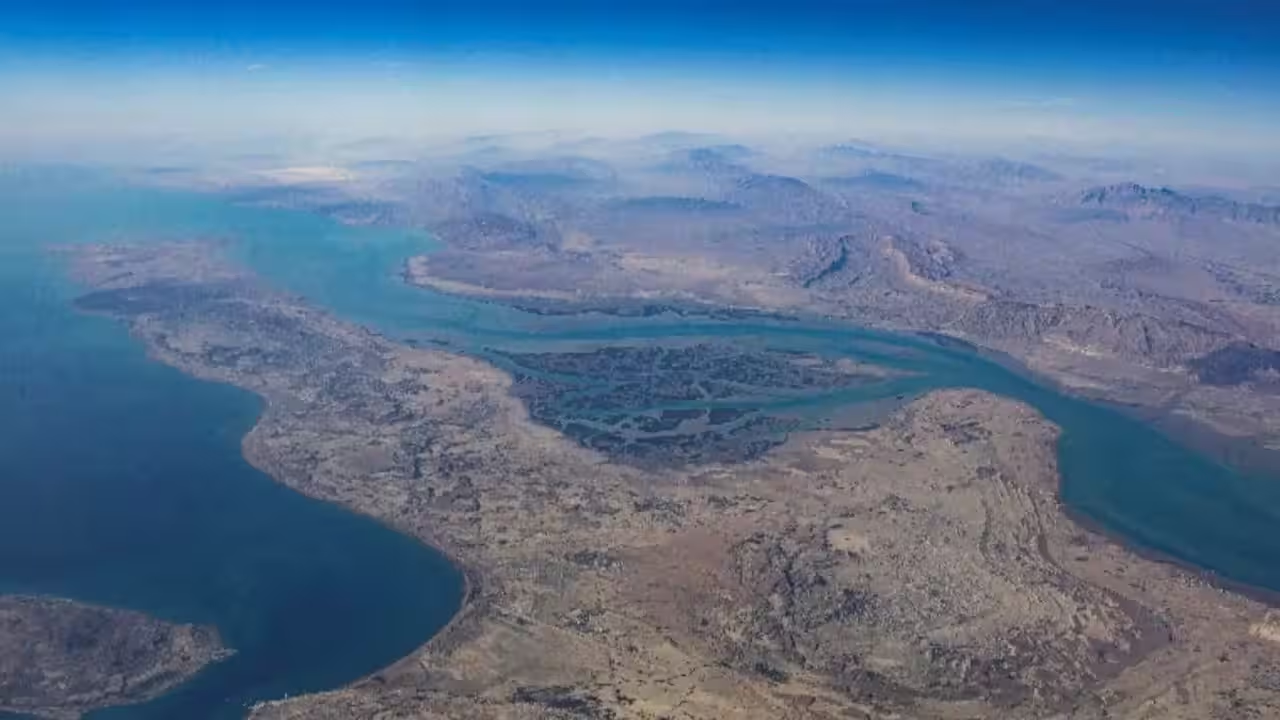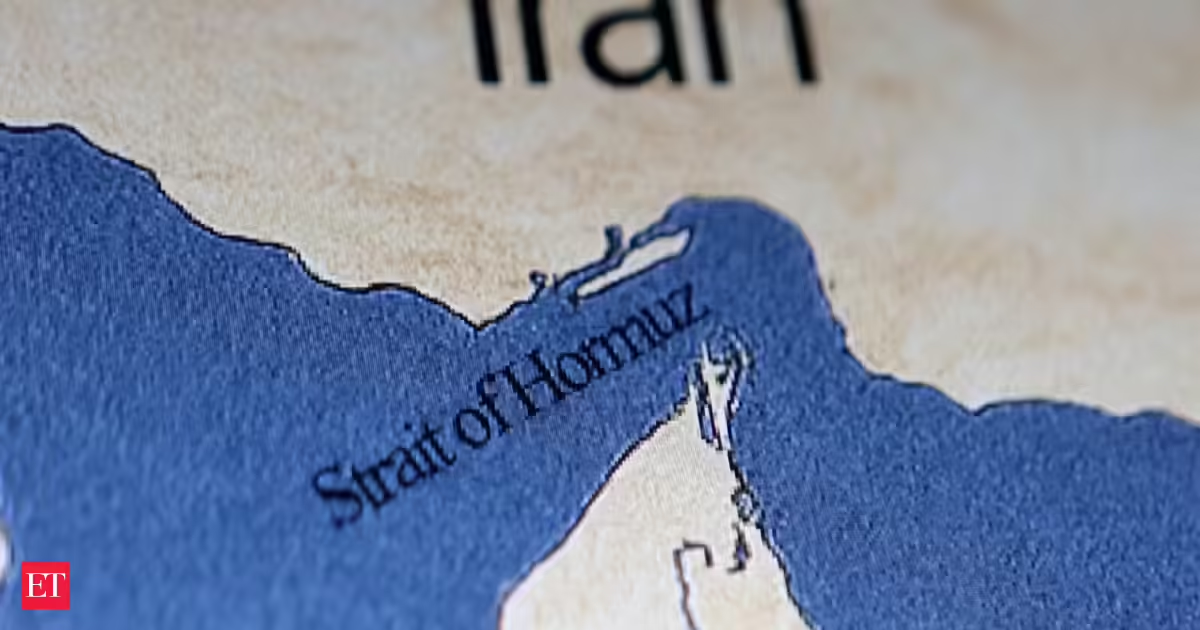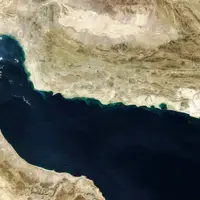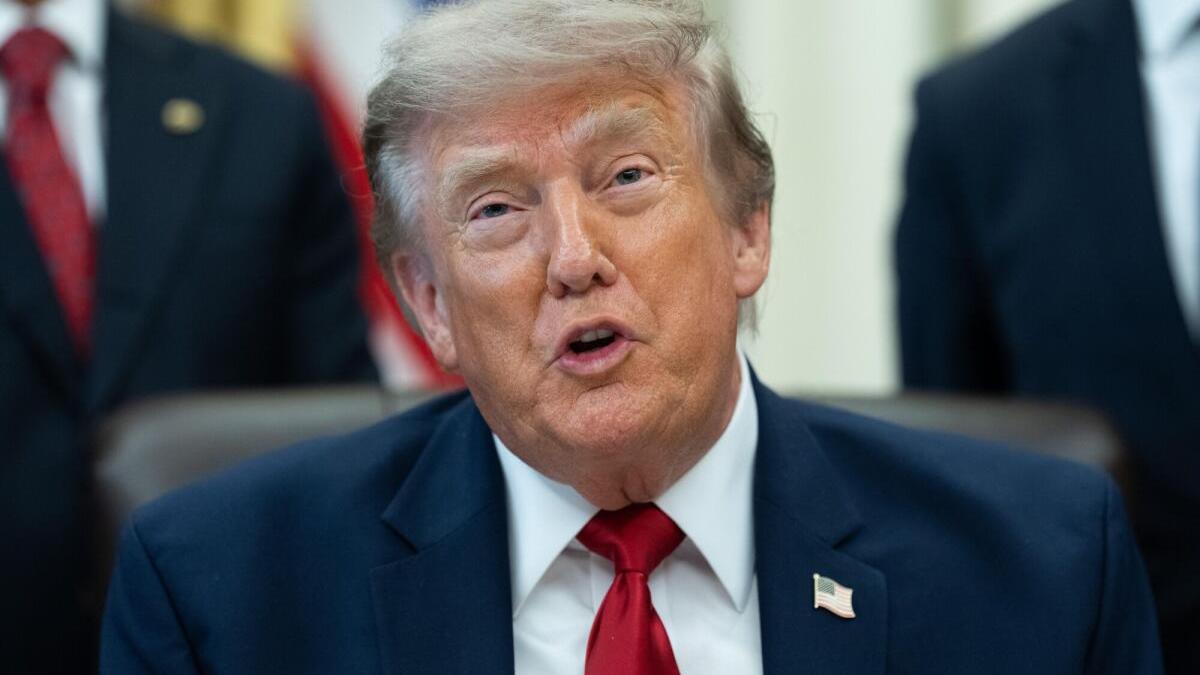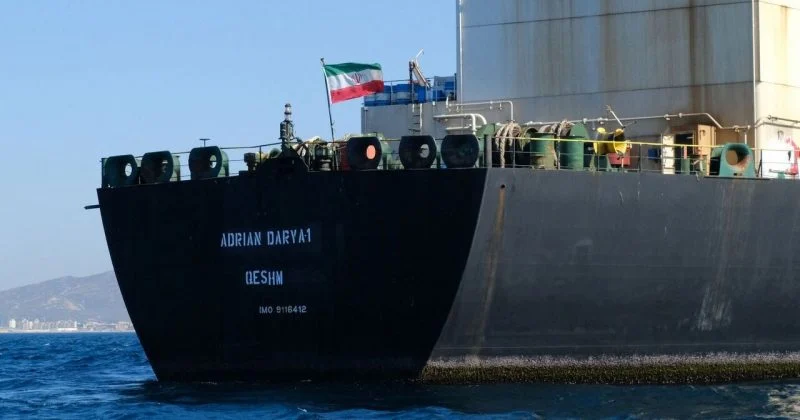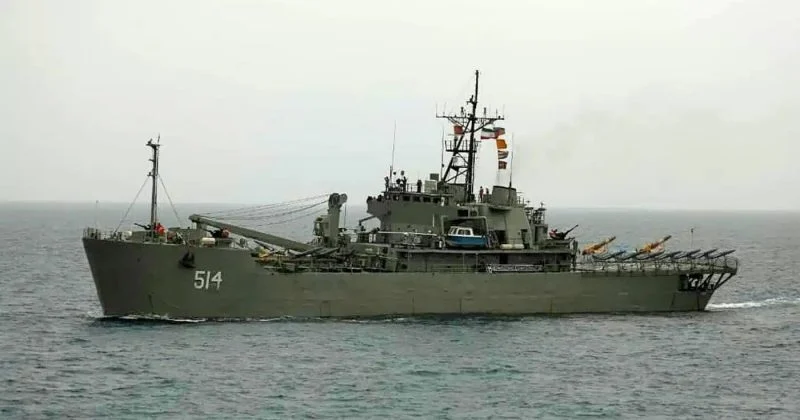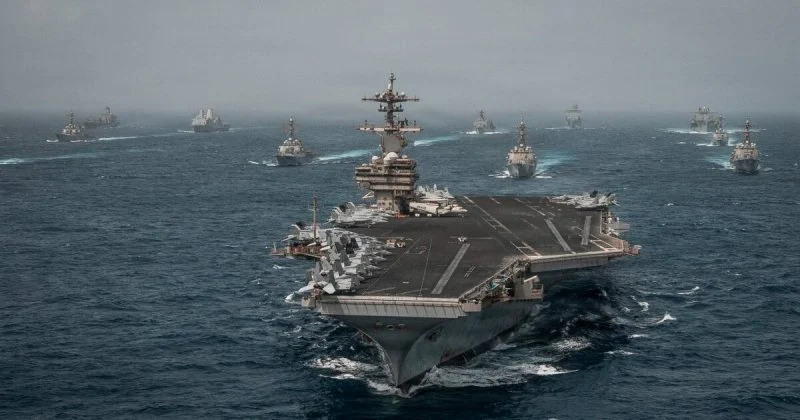
The United States has reinstated a naval blockade on vessels transiting to and from Iranian ports, as announced by U.S. Central Command (CENTCOM) at 4 p.m. ET. This decision follows a brief suspension and marks a significant escalation in the ongoing tensions between the U.S. and Iran. President Donald Trump had previously lifted the blockade on June 18, 2026, as part of a temporary agreement aimed at facilitating diplomatic negotiations. The blockade’s resumption suggests a collapse in these talks and a return to measures targeting Iran’s economy, particularly its oil exports, as a means of pressuring Tehran to cease uranium enrichment and reopen the Strait of Hormuz.
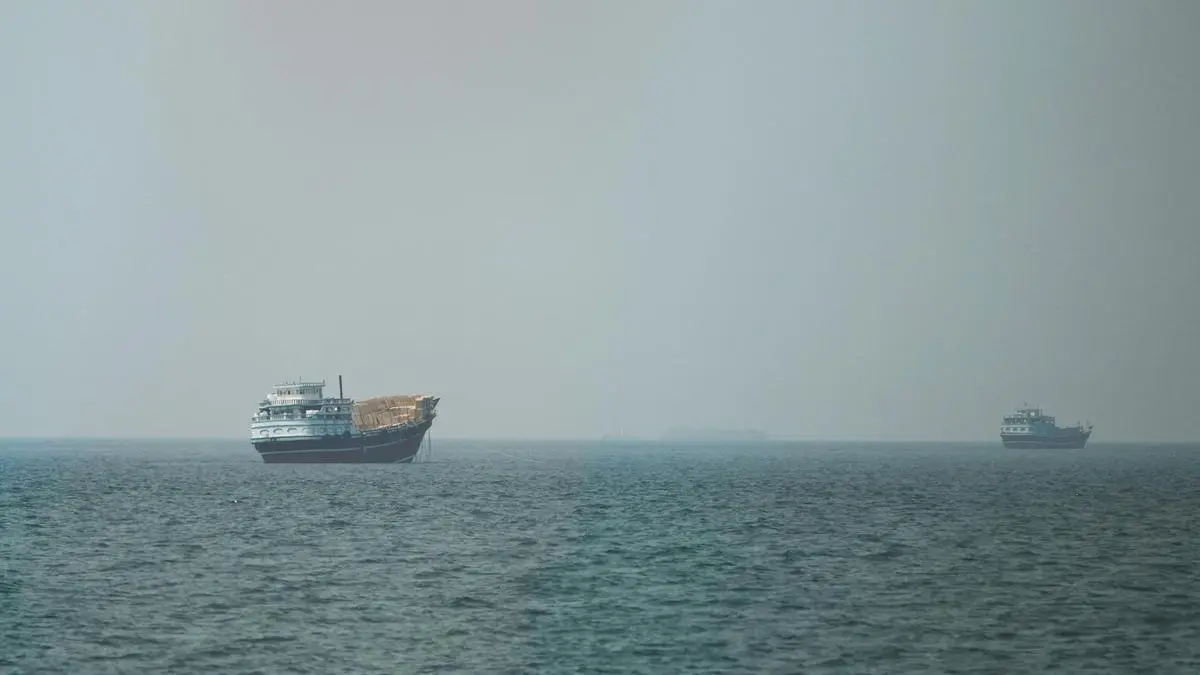
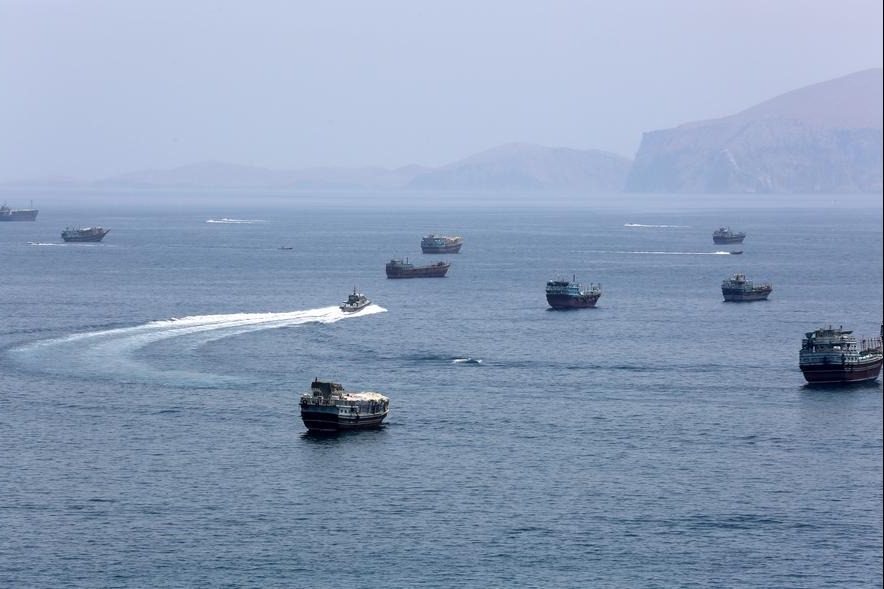
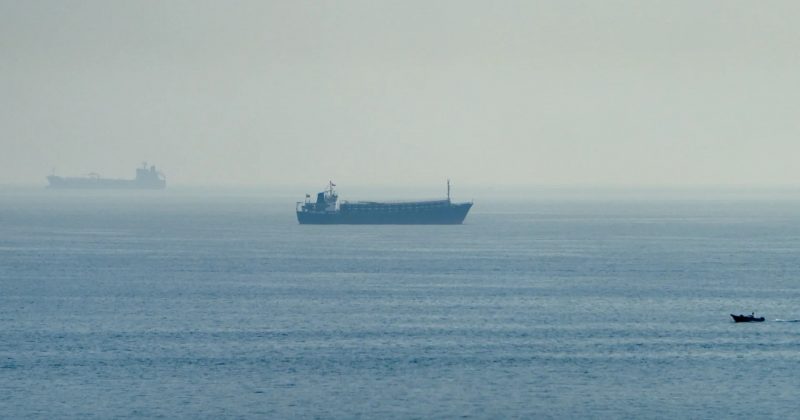
This development is anticipated to impact maritime activity in the region. The blockade appears to be a factor that could reduce the number of ships transiting the Strait of Hormuz, a critical chokepoint for global oil transportation. The blockade aims to restrict Iranian shipping while allowing non-Iranian traffic to continue through the strait.
Key Takeaways
The reinstatement of the naval blockade suggests a significant escalation in U.S.-Iran tensions, likely impacting ship traffic through the Strait of Hormuz.
Market pricing indicates a decrease in the likelihood of the U.S. ending the blockade by August 15, with odds reflecting increased skepticism about a near-term resolution.