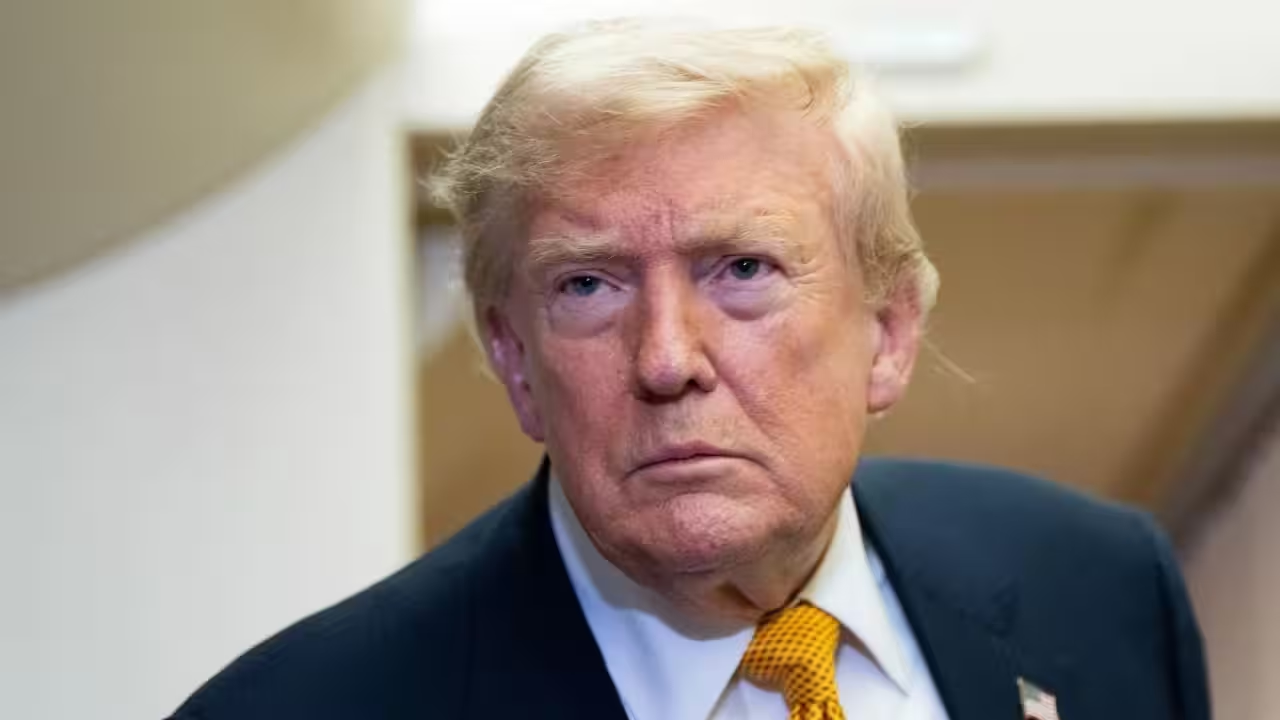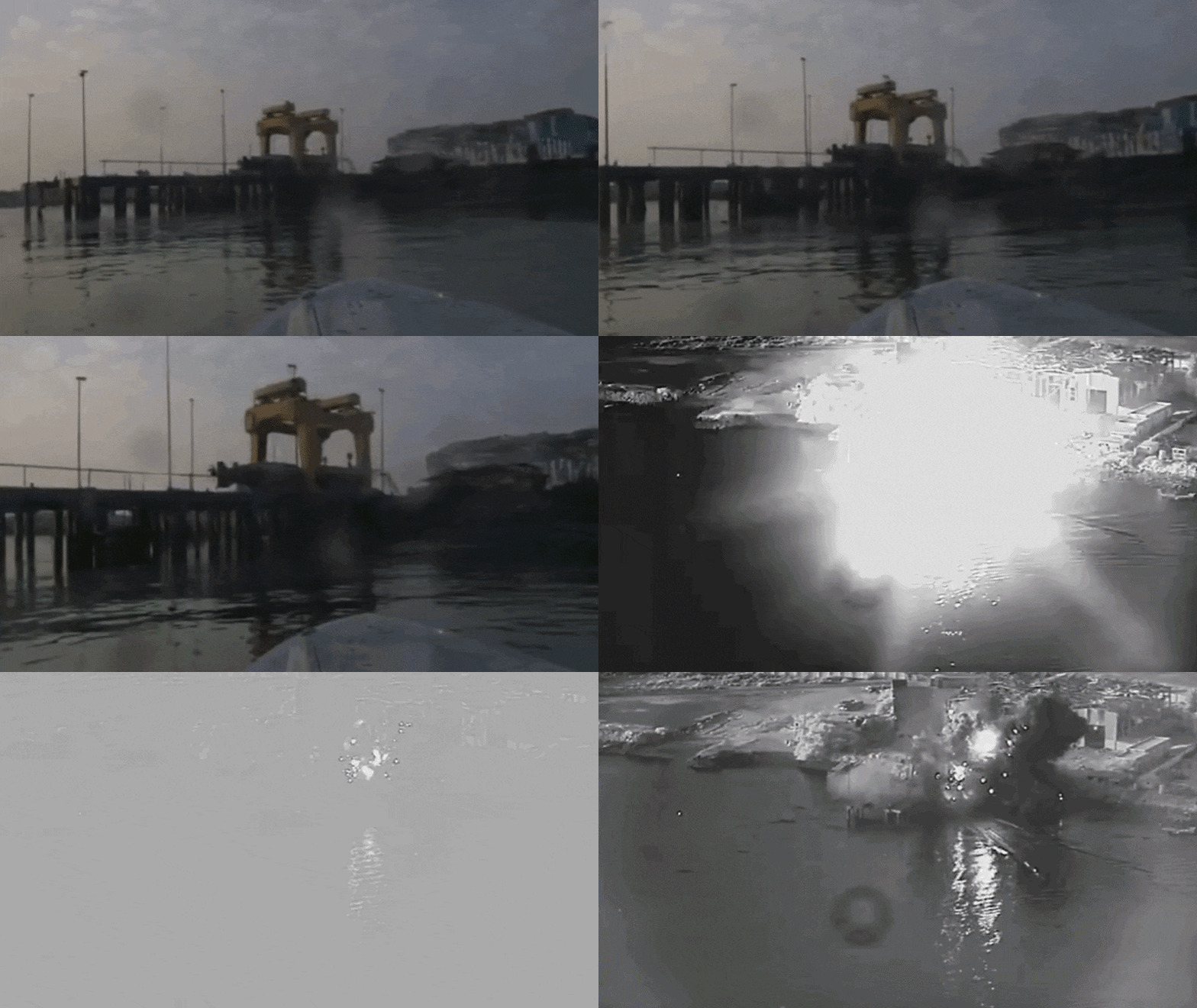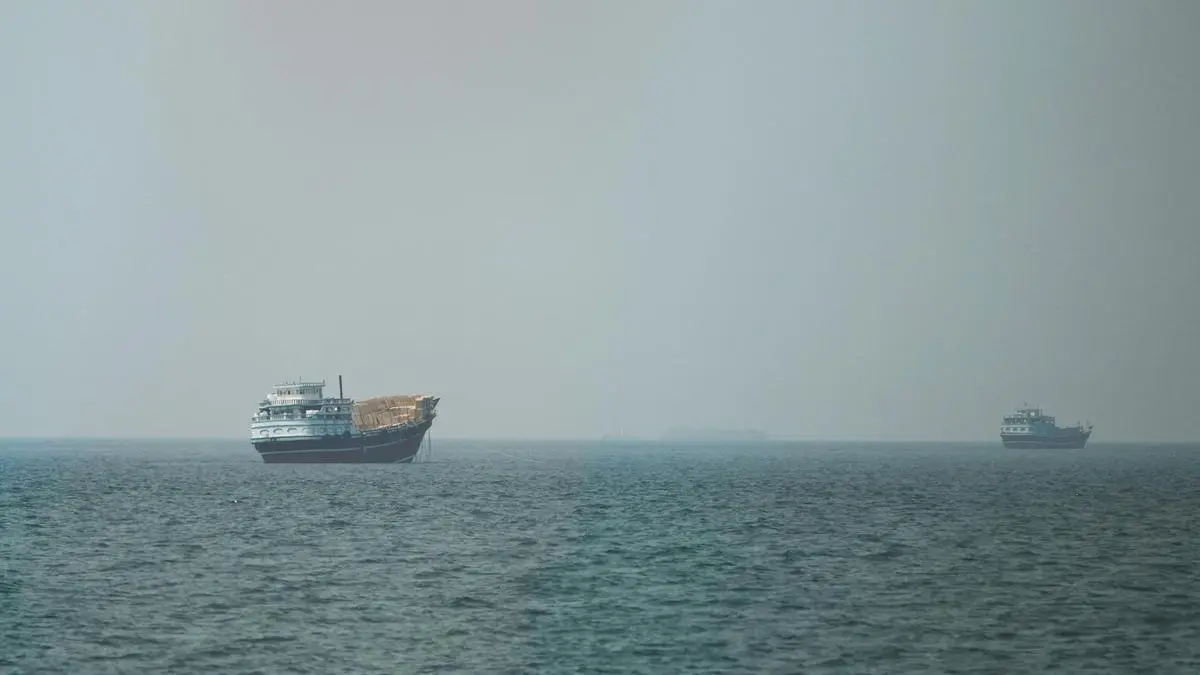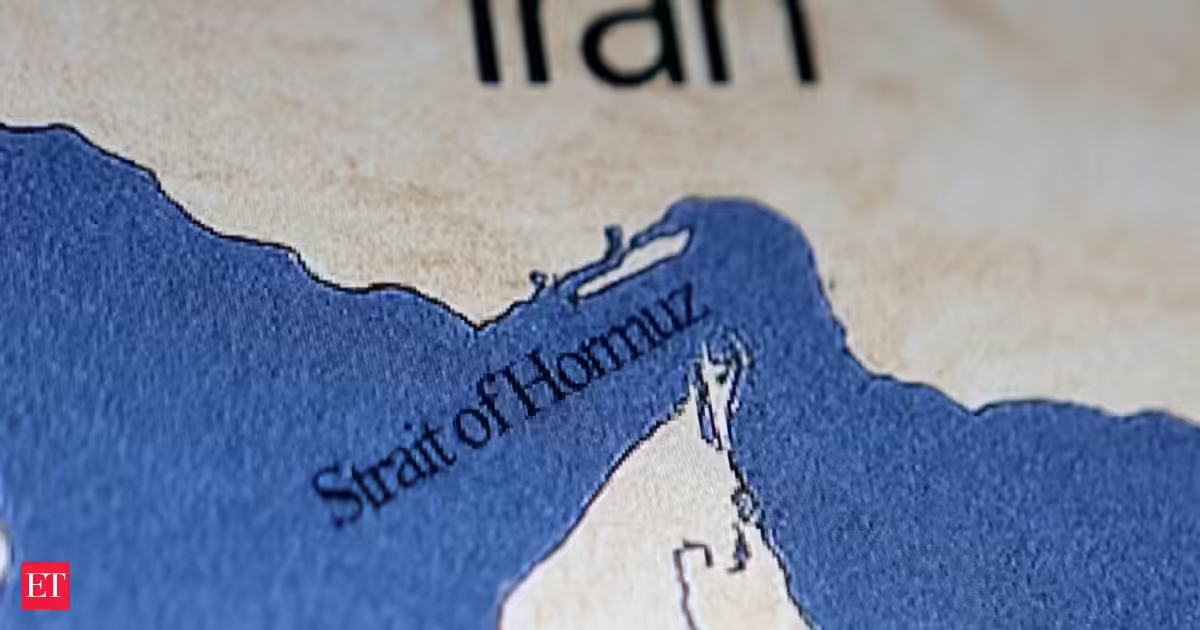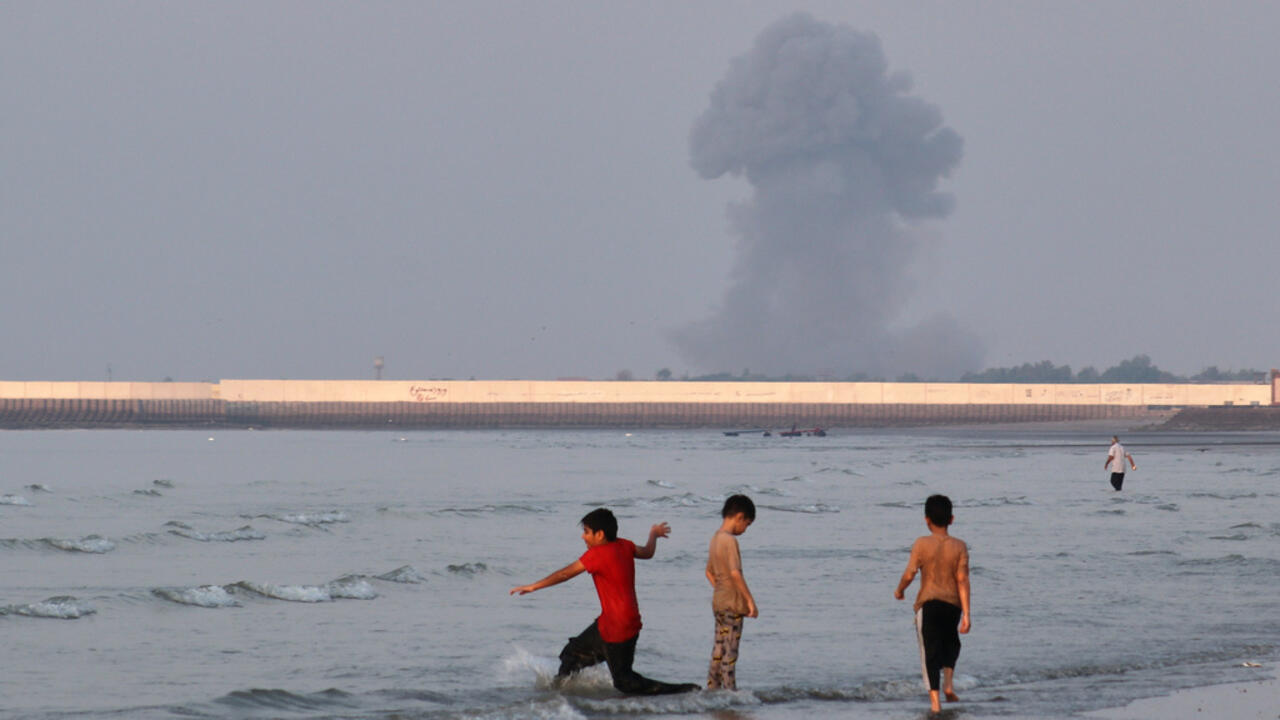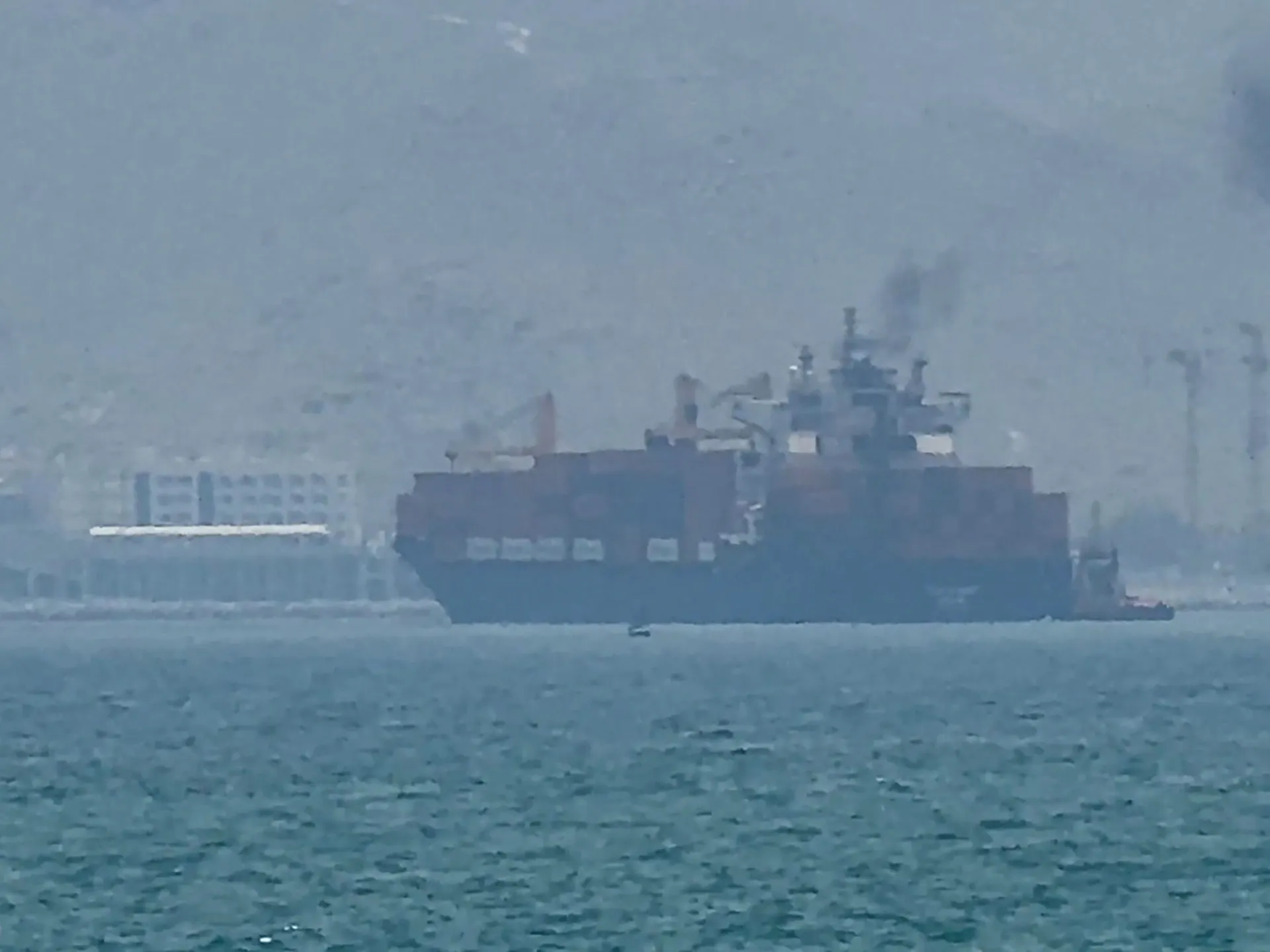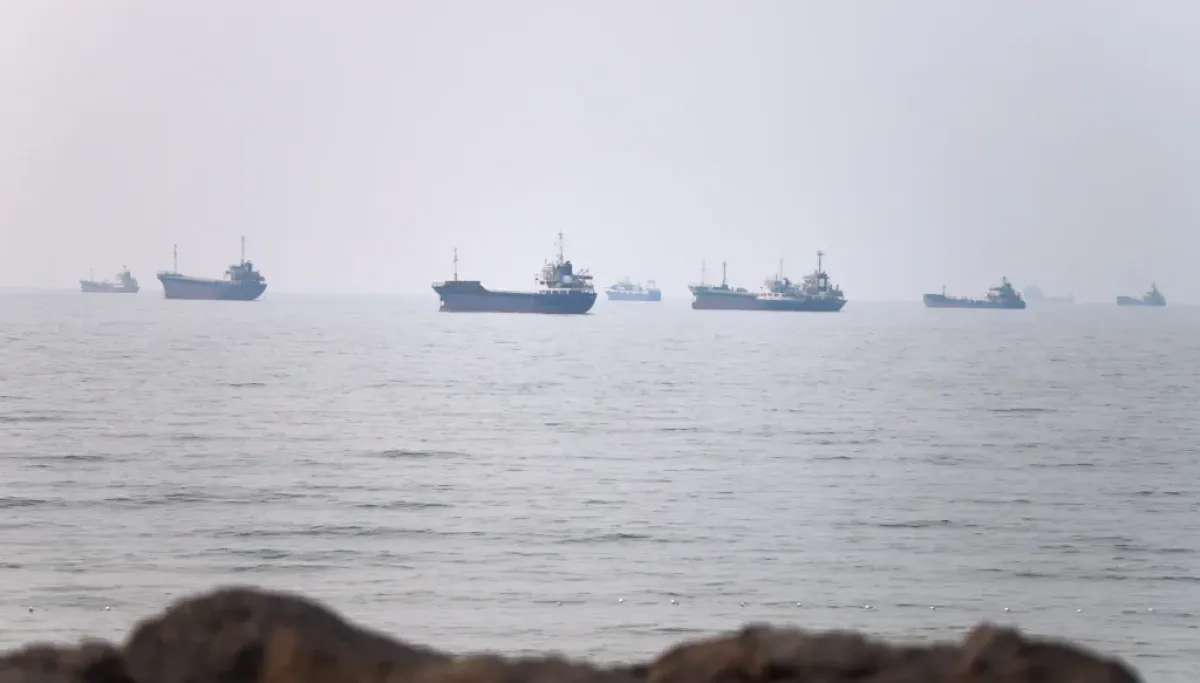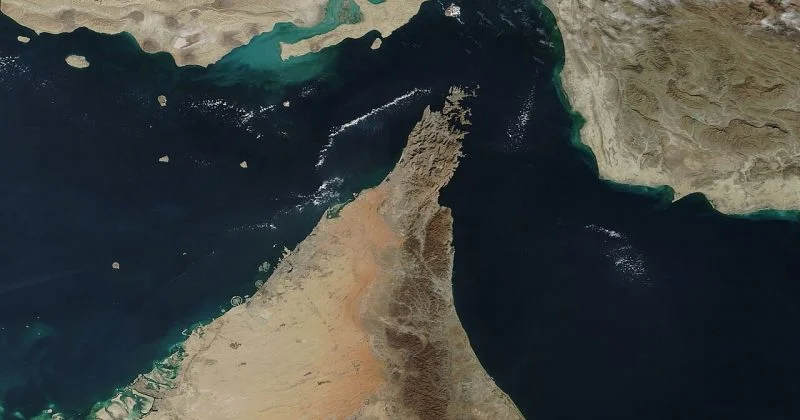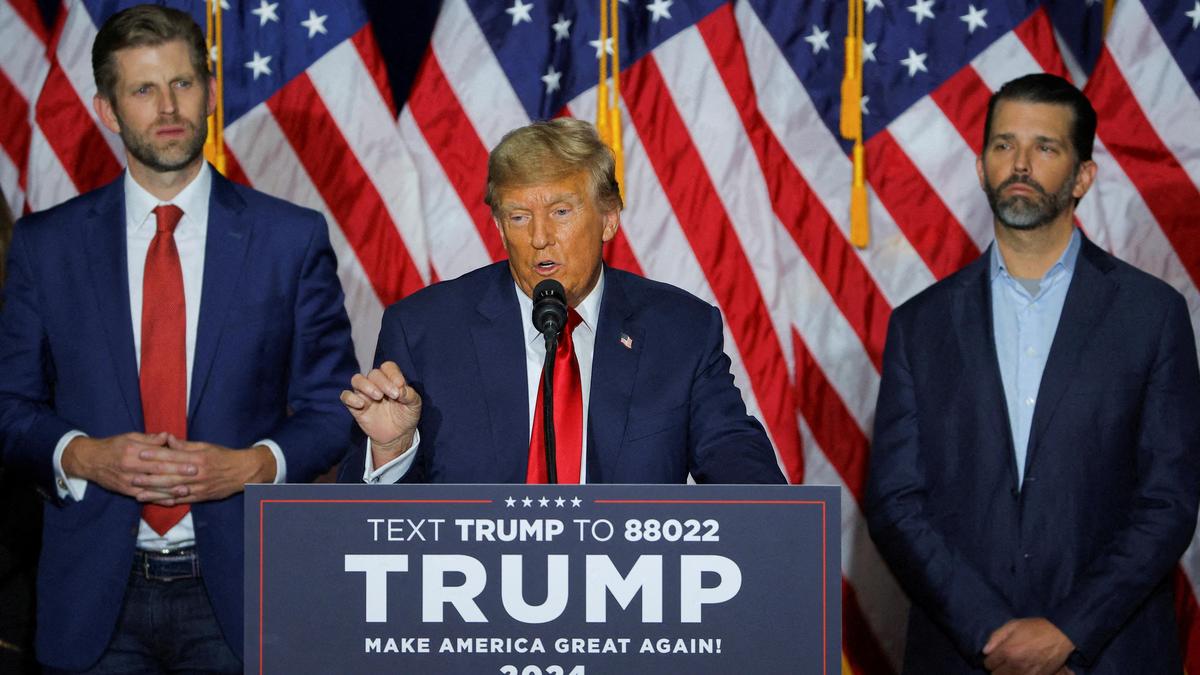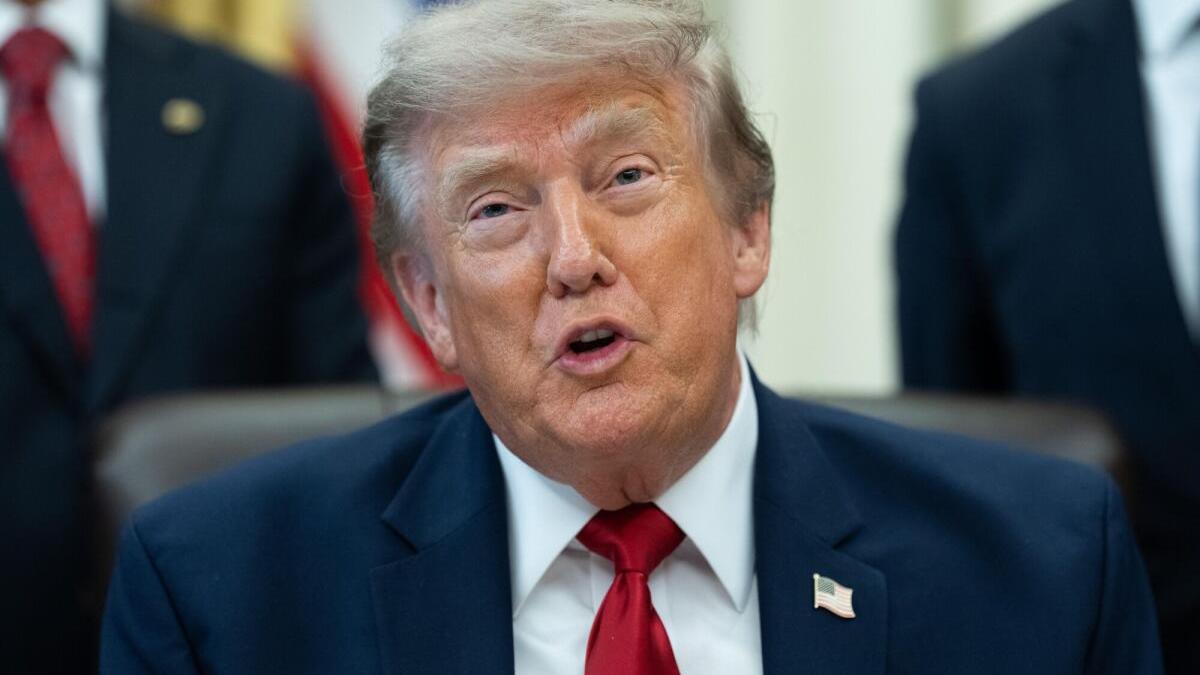
US President Donald Trump on Monday (July 13, 2026) said the United States was “reinstating” a blockade on Iran in the Strait of Hormuz and, in a move that appeared to mark a shift in policy, would charge other vessels for safe passage.The announcement followed an Iranian attack on a container vessel in the Strait of Hormuz on Sunday (July 12, 2026). Iran has maintained control over the strategic route for international oil and gas shipments since the conflict involving the United States and Israel began.Trump announces Hormuz blockadeMr. Trump’s remarks escalated a growing dispute between Washington and Tehran over the status of the vital shipping route at the centre of renewed tensions between the two countries.“We are reinstating the THE IRANIAN BLOCKADE,” Mr. Trump said in a social media post. “All other countries will have fair and open use of the Strait.”He said the United States would be “reimbursed” through a levy amounting to 20 per cent of the value of cargo passing through the waterway, to cover “any and all costs necessary to do the job of providing safety and security”.About one-fifth of global oil and gas supplies transited the Strait of Hormuz before Iran effectively closed the route at the outset of the war, pushing up worldwide prices of energy, fertiliser and other commodities. Although traffic improved following last month’s agreement, volumes have remained well below pre-war levels.West Asia war LIVE- July 14, 2026U.S. proposes 20% levy on cargo transiting HormuzUS Central Command later said military forces would resume blockading traffic to and from Iranian ports and coastal areas from 4 p.m. New York time on July 14.The White House did not immediately provide details on how the proposal would be implemented or whether it had been discussed with Washington’s Gulf allies.Mr. Trump said Iranian vessels would no longer be permitted to transit the strait, while a 20 per cent toll would be imposed on eligible cargo carried by other ships. “We are reinstating the THE IRANIAN BLOCKADE, so named because it is only stopping Iran’s ships or customers from entering or leaving,” Mr. Trump said. “All other countries will have fair and open use of the Strait.”He said the levy would help cover “any and all costs necessary to do the job of providing safety and security to this very volatile section of the World”. The announcement comes amid heightened tensions with Iran after peace talks failed to produce a breakthrough.Iran rejects U.S. move, asserts control of the straitTehran, meanwhile, has argued that it has the authority to regulate traffic through the strait and potentially impose fees under the terms of an interim peace arrangement. Washington has rejected that position.Iran on Monday vowed to resist any US attempt to interfere in the waterway. Foreign Minister Abbas Araghchi appeared to mock Mr. Trump’s announcement on social media while using it to bolster Iran’s own stance.“POTUS is absolutely right. Whoever provides secure and safe passage of commercial vessels through the Strait of Hormuz should be compensated for this service,” Mr. Araghchi wrote on X. “Iran has always been the GUARDIAN of the Strait and will remain so FOREVER. 20% is of course too much. We will be fair.”Oil prices surgeOil prices surged after Mr. Trump announced plans to reimpose the blockade on Iranian shipping and seek payments from other cargo vessels using the waterway, undermining hopes of a near-term recovery in maritime traffic.Brent crude, the global benchmark, rose 7.8 per cent to $81.92 a barrel on Monday, although it remained well below the nearly $120-a-barrel peak reached during the height of the conflict.Analysts warned that a renewed blockade could prompt Iran to intensify attacks on vessels attempting to pass through Hormuz. According to shipping data compiled by Bloomberg, traffic through the strait fell to its lowest level in a month on Sunday.At current oil prices, a 20 per cent charge could amount to about $32 million for a fully laden very large crude carrier. That is significantly higher than the fees previously imposed by Iran, which people familiar with the matter said had reached about $2 million. Higher shipping costs are likely to feed through into energy prices.Trump’s contrasting stance on Hormuz tollUntil now, the United States had maintained that the Strait of Hormuz should remain open to all vessels without transit charges, as was the case before the outbreak of hostilities. During a visit to the Gulf last month, Secretary of State Marco Rubio strongly criticised Iran’s proposal to levy fees on ships using the waterway.“That’s an international waterway. There isn’t a nation on Earth that supports having to pay money to go through the straits,” Mr. Rubio told reporters in Bahrain on June 25.Mr. Rubio also said there was “zero support among the Gulf countries for any sort of toll or fees or anything that charges for the use of international waters”. “The President’s made it clear that’s not going to happen,” he said.Mr. Trump, however, hinted at a change in approach earlier on Monday, telling Fox News that the United States should be compensated for helping to secure shipping through the strait. Other countries had “made all the money” previously, he claimed.“We guarded it for nothing, and now we’re going to guard it, and we’re going to get paid for guarding it — a lot of money,” Mr. Trump said. “But we just want to be reimbursed for doing all of this, for putting our people in danger.”UN shipping agency opposes transit tollsThe International Maritime Organization (IMO), the United Nations agency responsible for international shipping, said it was seeking further details on the US proposal but reiterated its opposition to tolls on transit through international waterways.“There is no legal basis through which to introduce mandatory tolls simply to transit through a strait,” the agency said in a statement.
U.S. announces 20% toll on ships using Hormuz; what Trump’s Iranian blockade means
Trump announces a 20% toll on ships in the Strait of Hormuz amid escalating U.S.-Iran tensions and renewed blockade.
963 words~4 min read