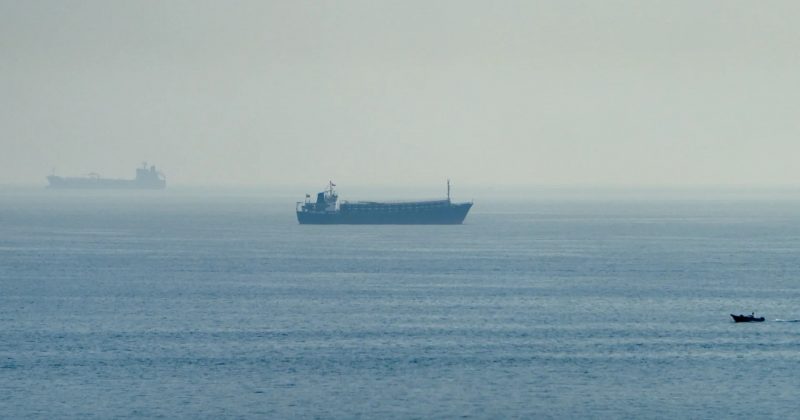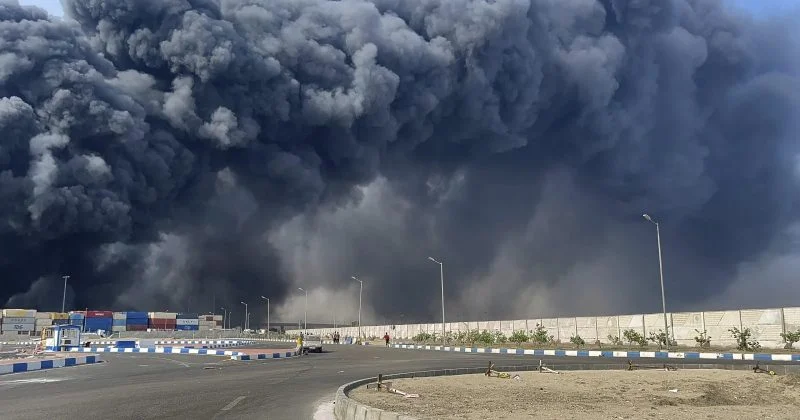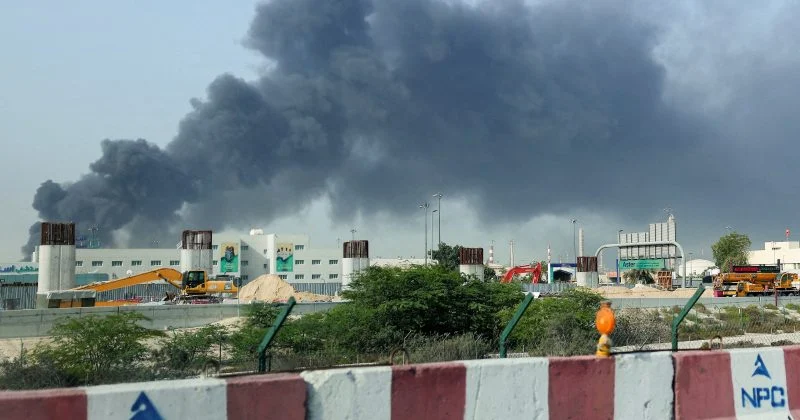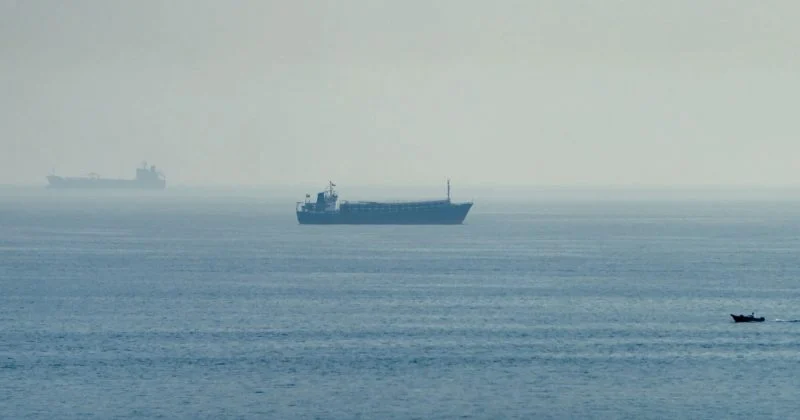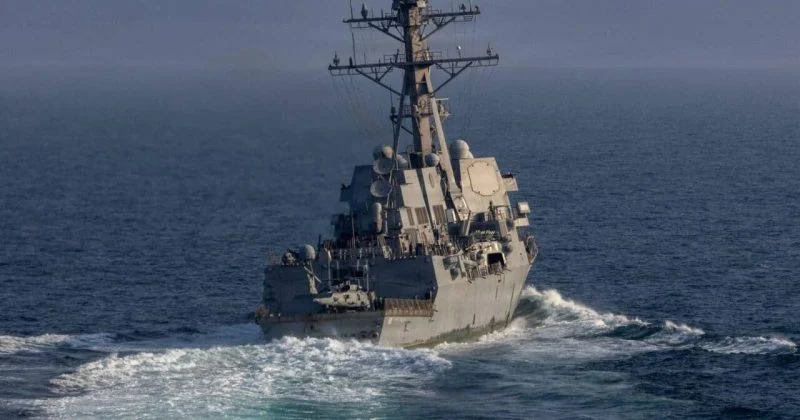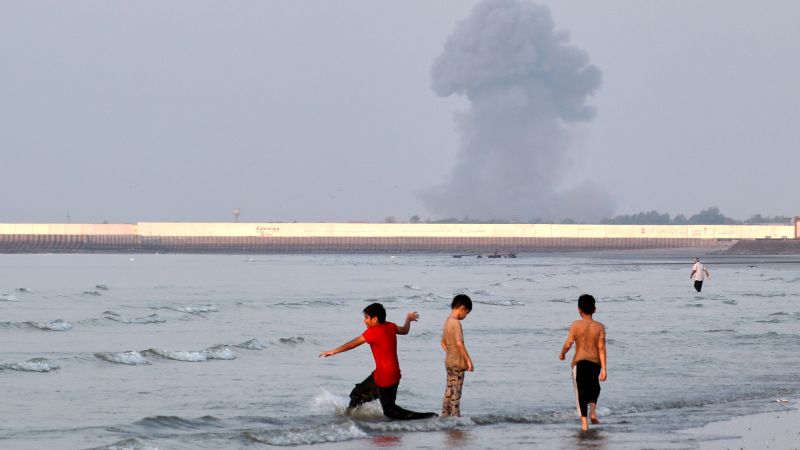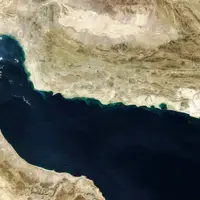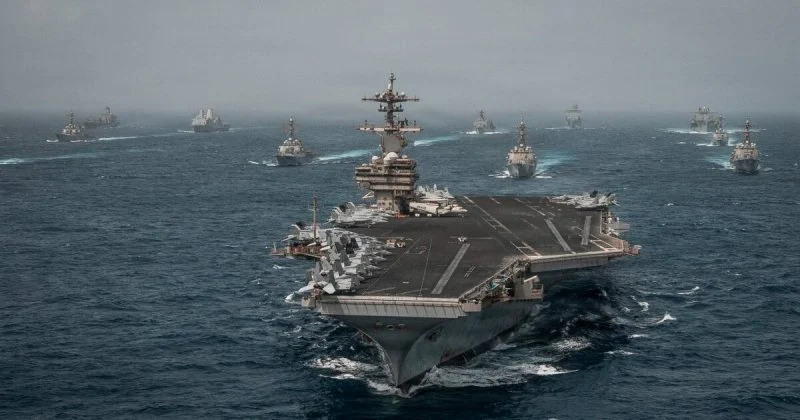
The United States has reinstated a naval blockade on Iranian ports, a strategic move aimed at escalating economic pressure on Iran amid ongoing tensions in the region. This development comes after the failure of the Islamabad Talks and follows a brief period when the blockade was lifted. The blockade is part of the broader 2026 Strait of Hormuz crisis, which began earlier this year when the US and Israel initiated an air campaign against Iran. The blockade’s impact is already being felt in prediction markets, with significant shifts in the probabilities of the blockade ending soon.
Market data reflects a decrease in the likelihood of the US announcing an end to the blockade by July 24, 2026, with probabilities dropping from 8% to 6.5% over the past 24 hours. Similarly, the odds for a resolution by July 31, 2026, have declined from 16% to 12.5%. The August 15, 2026, market also saw a decrease in likelihood from 28% to 25.5%. These shifts suggest that market participants view the reimposition of the blockade as a substantial obstacle to an early resolution.
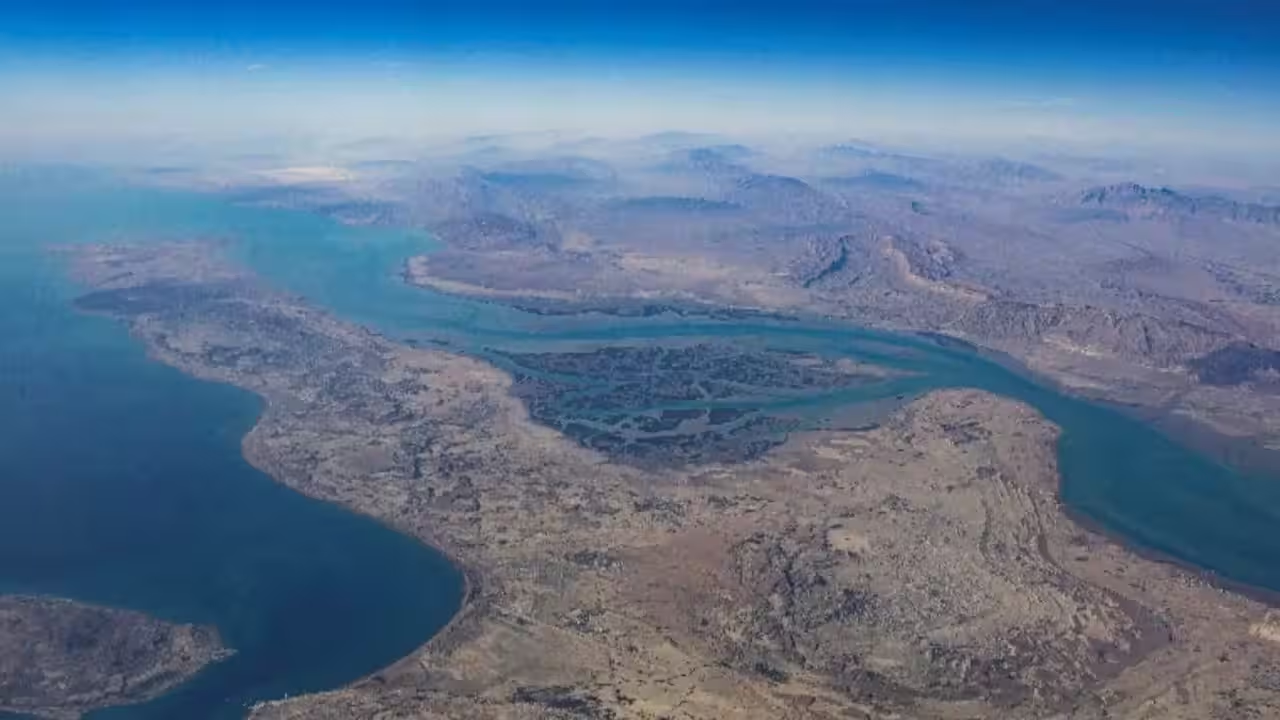
The situation in the Strait of Hormuz remains tense, with the probability of traffic normalization by August 31, 2026, dropping from 12% to 11.5%. The blockade’s reimposition underscores the ongoing volatility and uncertainty in the region, affecting both geopolitical stability and energy markets.