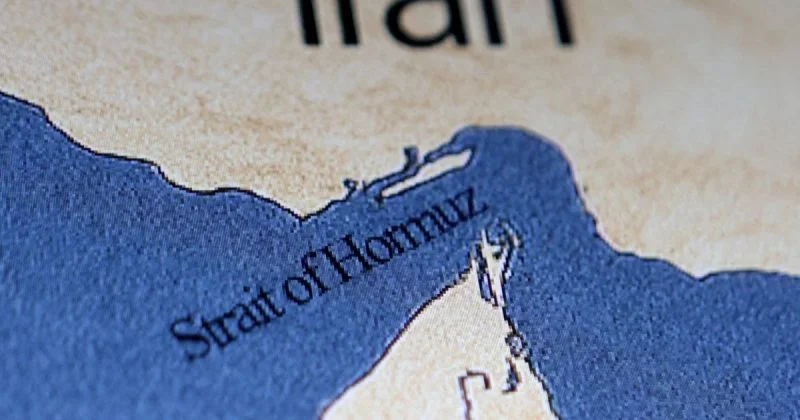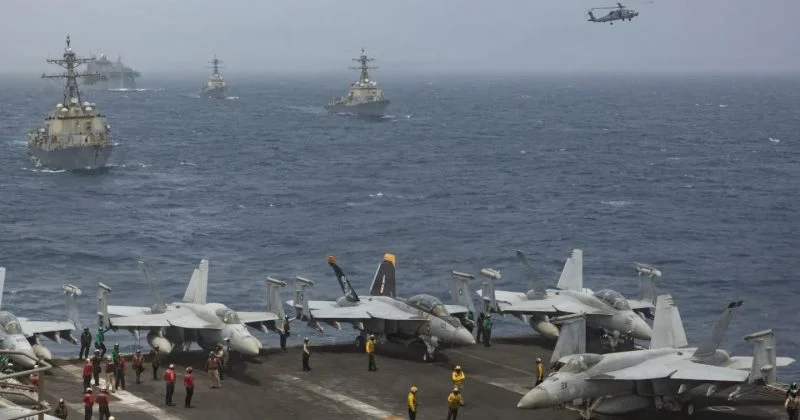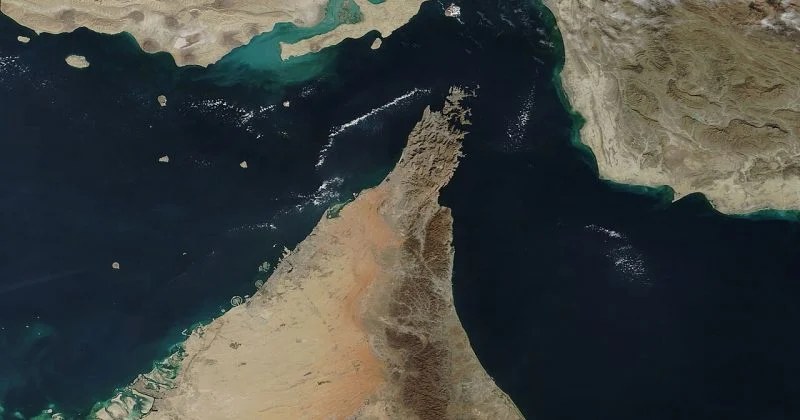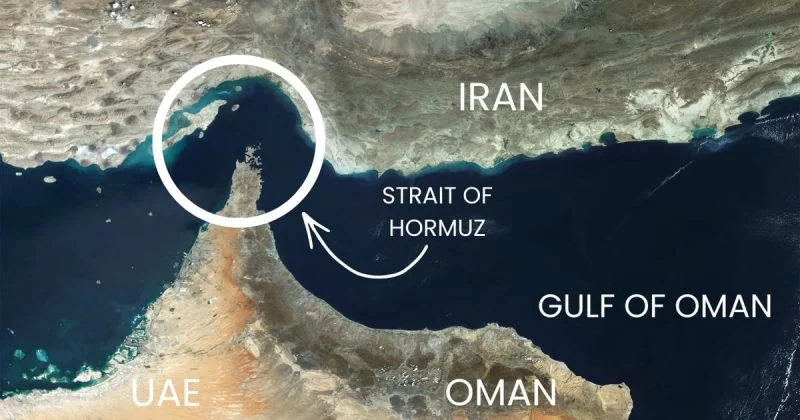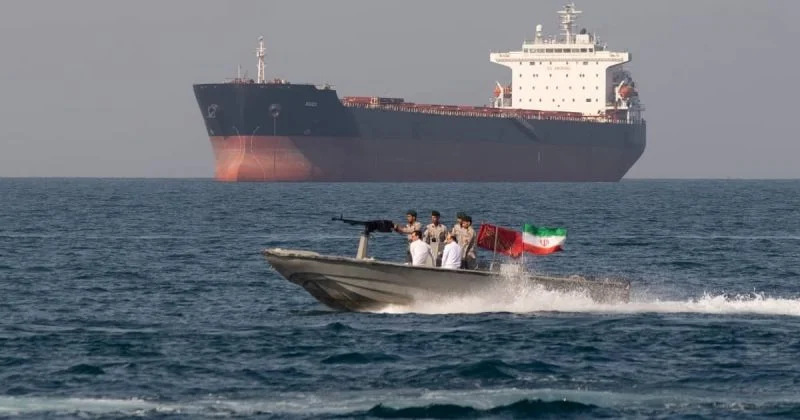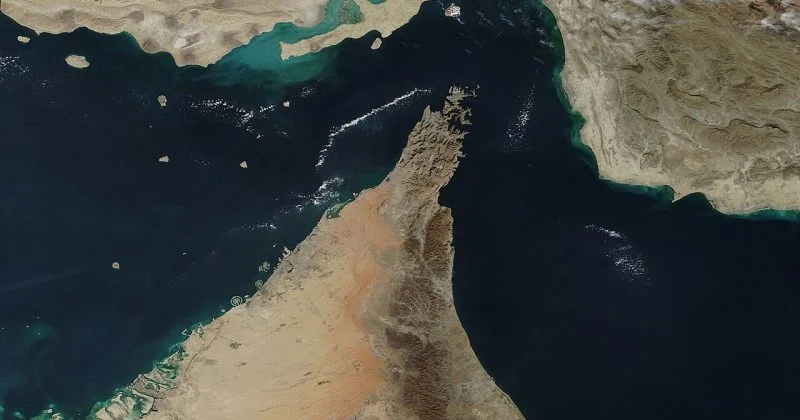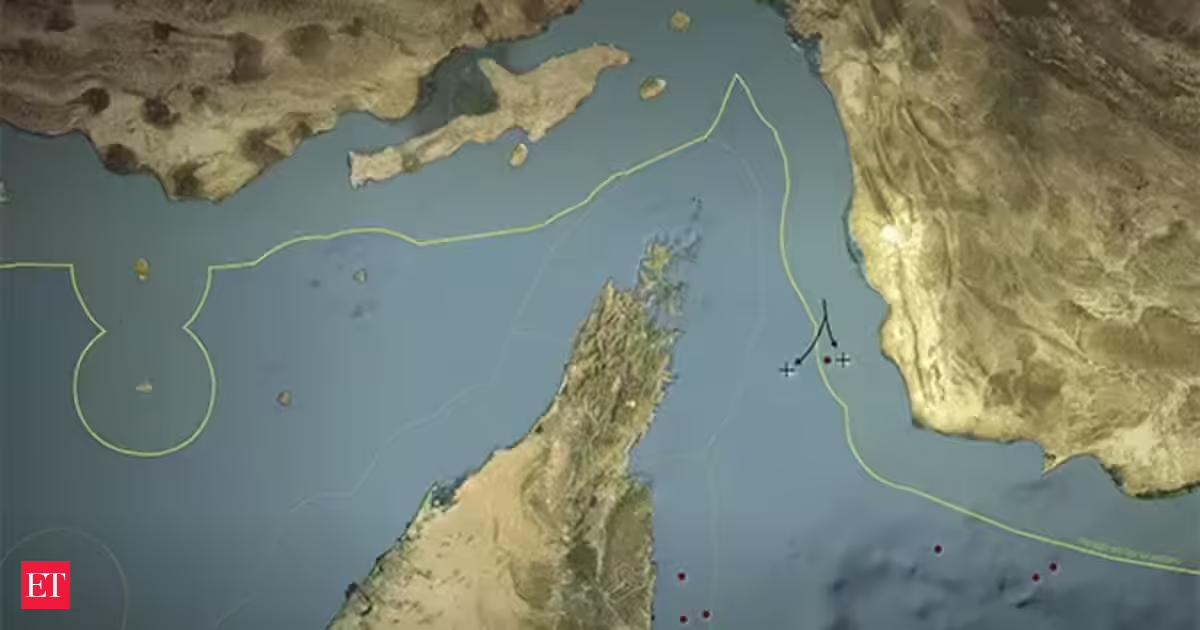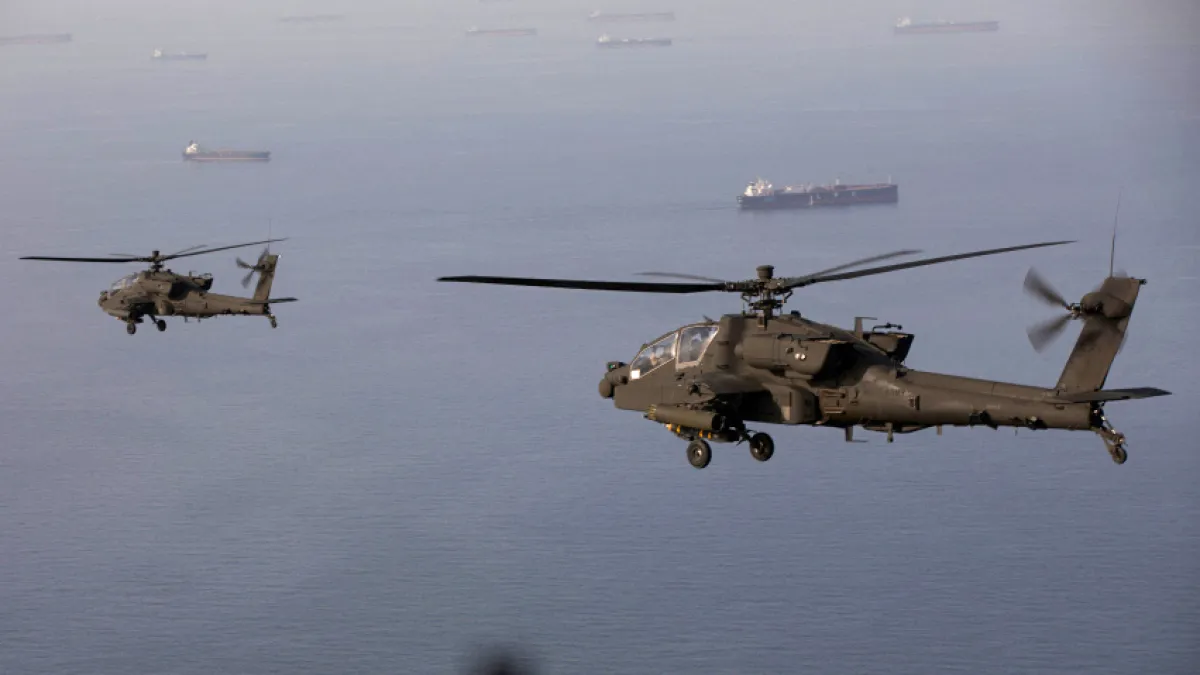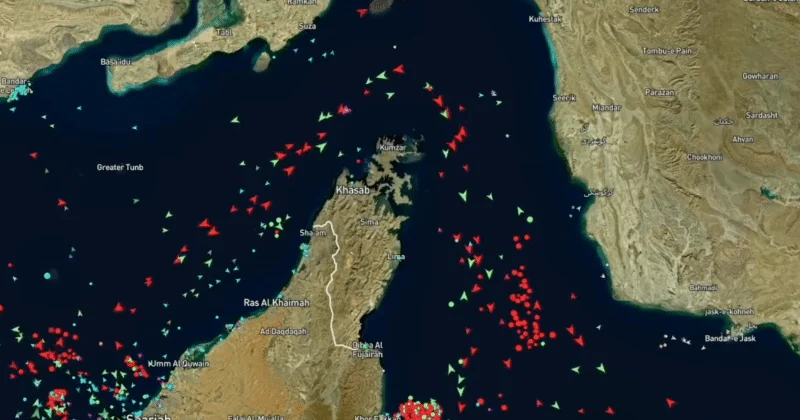
The shutdown of the Strait of Hormuz, a pivotal passage for global oil transport, has significantly disrupted Middle Eastern oil trade, leading to a global spike in oil and gas prices. This development follows a directive from Iran’s military command to close the strait to all vessels, including oil tankers, escalating tensions in the region. As the chokepoint for around 20% of the world’s oil and LNG flows, the closure is a major supply shock to global energy markets. Analysts warn that if the blockage persists, energy markets could remain tight, potentially pushing crude prices much higher.
Key Takeaways
The closure of the Strait of Hormuz appears to be a major factor increasing WTI crude oil prices, consistent with a potential YES resolution.
Market indicators suggest that normal traffic through the Strait of Hormuz by June 15 is highly unlikely, with pricing at 0.2% YES.
There is still some optimism for normal traffic to resume by July 31, with pricing suggesting a 60.5% possibility of YES resolution by that date.