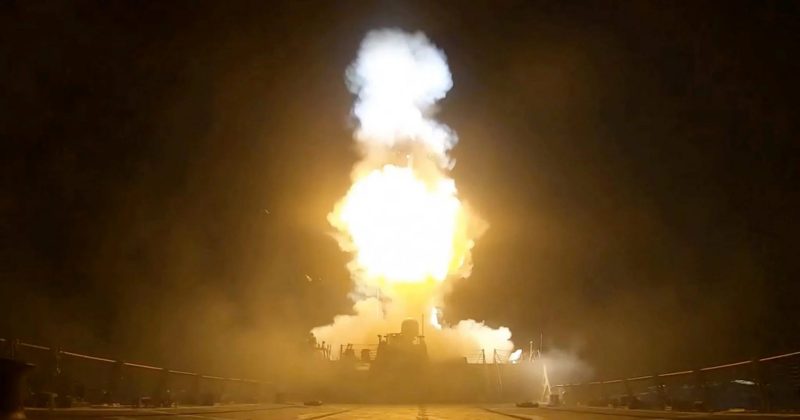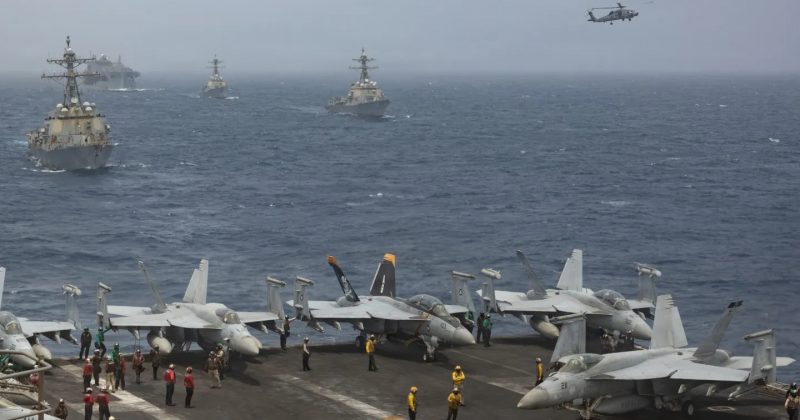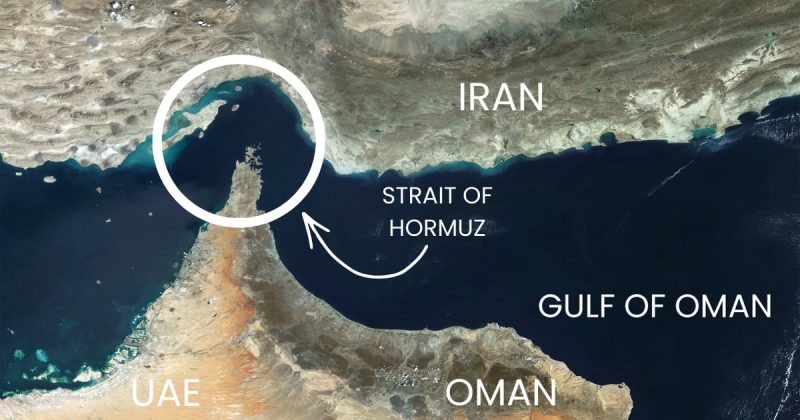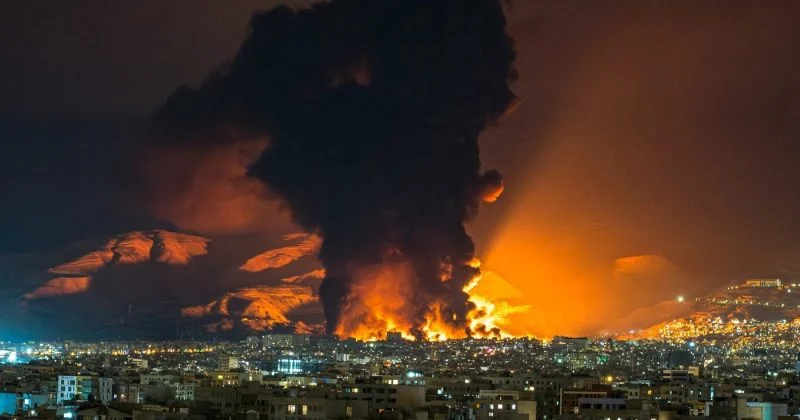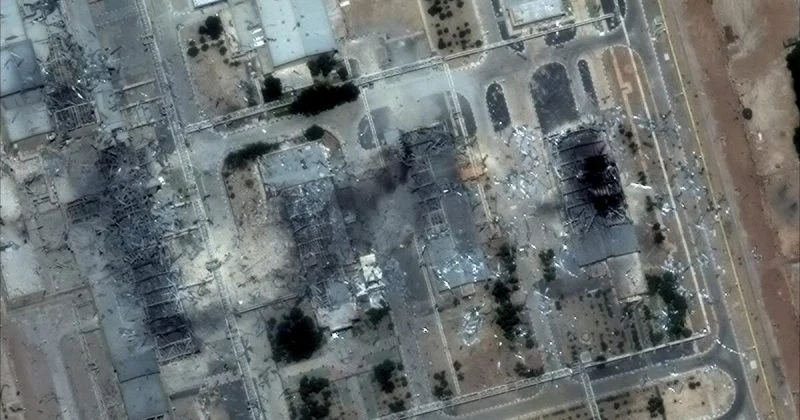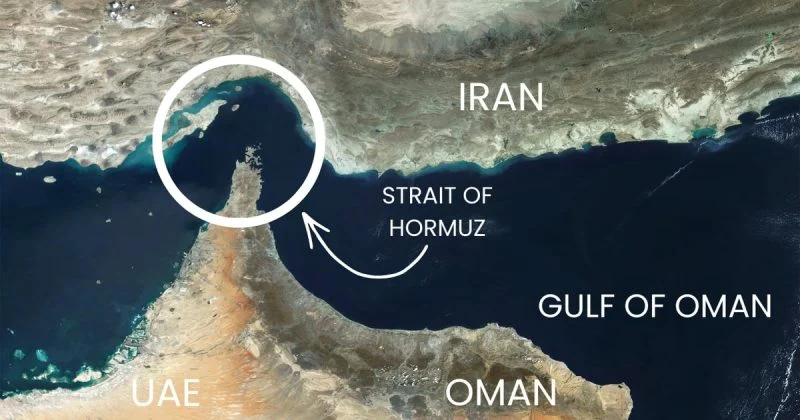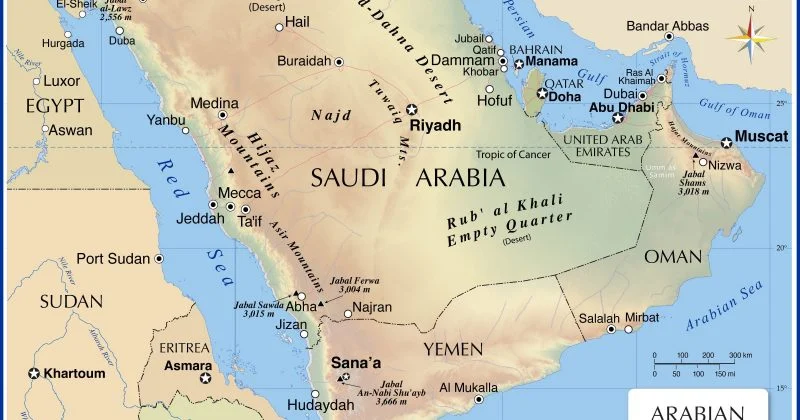
The U.S. military is actively working to secure the uninterrupted flow of oil and gas from the Arabian Gulf by targeting and degrading Iranian military capabilities, according to a recent statement by Secretary Wright. This effort comes amid heightened tensions stemming from a U.S.-Israeli conflict with Iran, which has led to the effective closure of the Strait of Hormuz, a critical chokepoint for global oil supply. As the U.S. military ramps up operations, oil exports from the region have shown signs of recovery, although they remain below pre-conflict levels.
Markets appear to interpret these developments as potentially decreasing geopolitical risks, which could influence oil prices. In particular, the likelihood of WTI Crude Oil reaching higher price targets in July has seen notable changes, with market participants now assigning a 32.8% probability for prices to hit $90, up significantly from previous weeks. Conversely, the probability of the Strait of Hormuz returning to normal traffic levels by the end of July has decreased, reflecting ongoing concerns about persistent regional instability.
Key Takeaways
Market pricing suggests a potential increase in WTI Crude Oil prices, with a 32.8% probability assigned to prices reaching $90 in July.