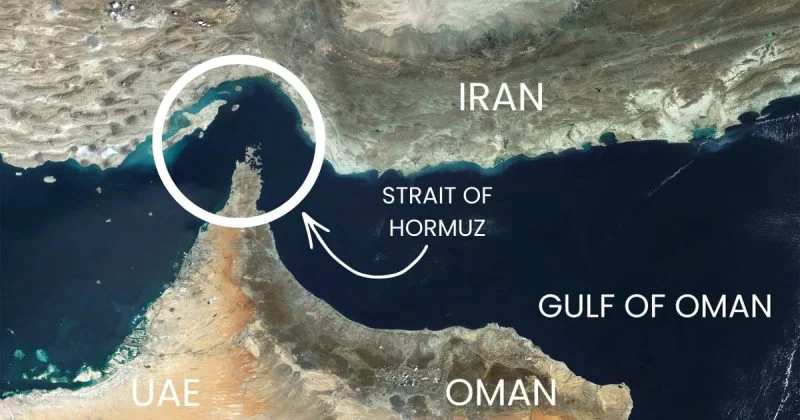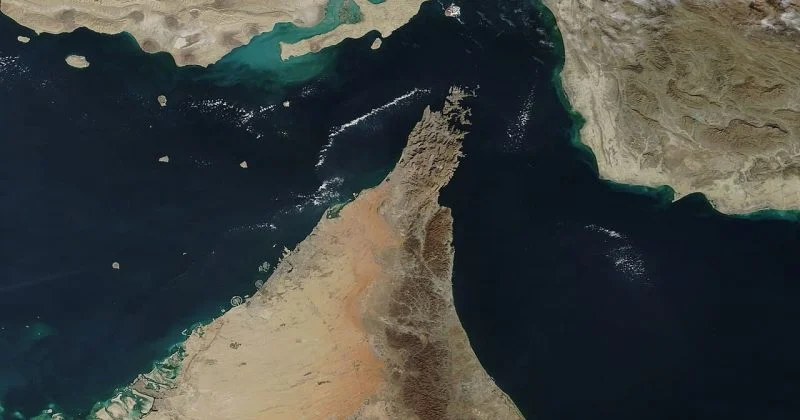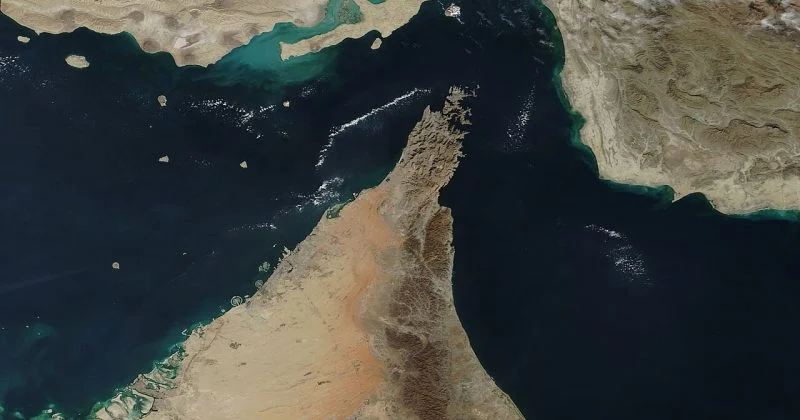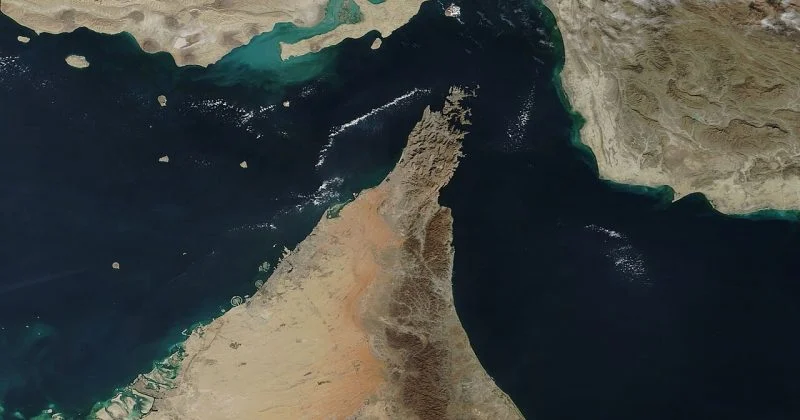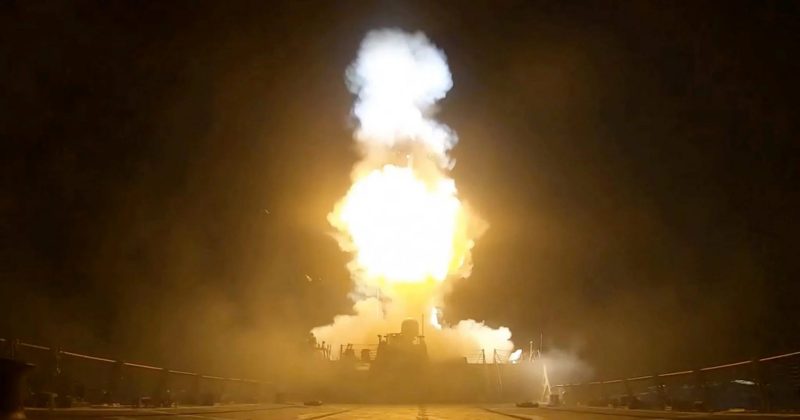
Recent escalations in the Gulf region have led to a significant disruption in the Strait of Hormuz, a critical chokepoint for global oil supply. Iran has expanded its attacks on U.S. military bases in the area, prompting retaliatory strikes from the U.S. As a result, commercial shipping through the Strait has fallen to its lowest levels in weeks, with just 14 ships recorded on Sunday. This disruption has triggered a war premium, pushing oil prices up by over 3% to approximately $116 per barrel.
The Strait of Hormuz is crucial as it handles about 20% of the world’s oil supply. With the current reduction in traffic, global oil flow has decreased by an estimated 11 million barrels per day. This situation has contributed to a surge in headline Personal Consumption Expenditures (PCE) inflation, which reached 4.1% in May 2026, the highest since April 2023. Market participants are now adjusting their expectations regarding the Federal Reserve’s interest rate policies, with a 50% probability of a rate hike by September being priced in.
Key Takeaways
The disruption in the Strait of Hormuz appears to have led to a significant increase in oil prices, with markets now pricing in a war premium.
Market activity suggests participants anticipate continued geopolitical tension, affecting global oil supply and inflation expectations.