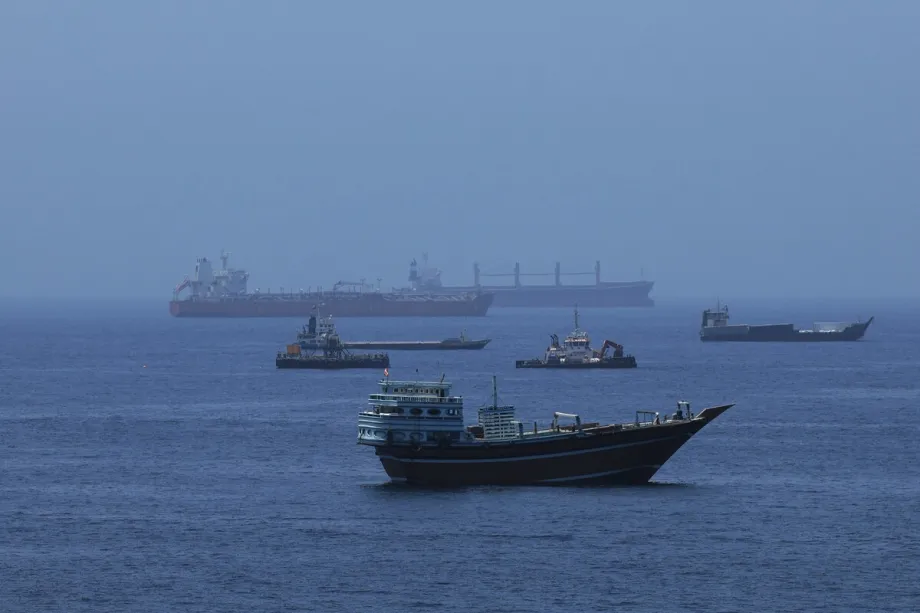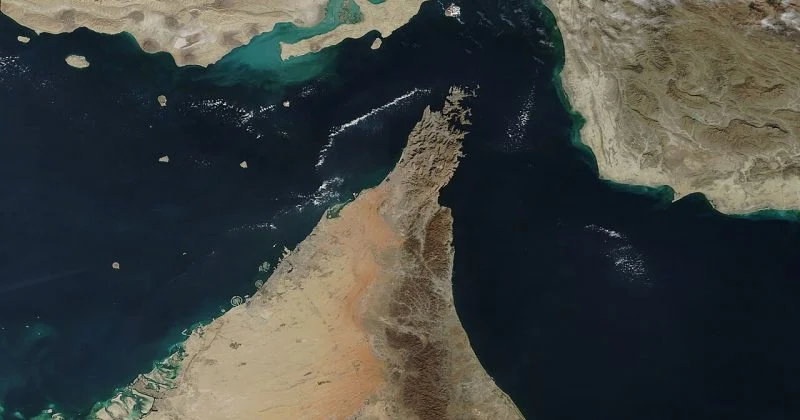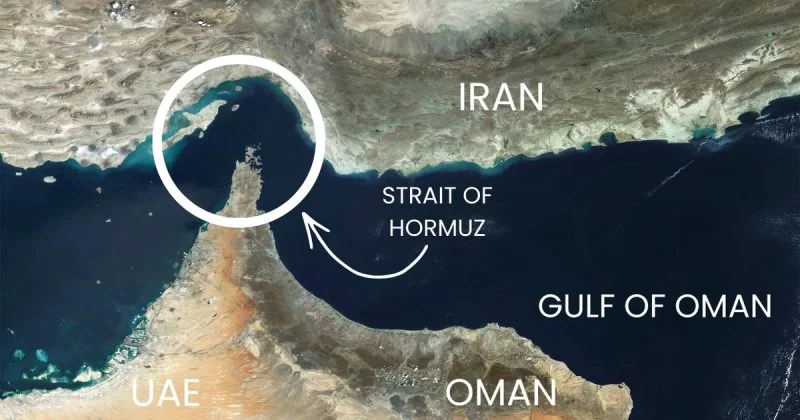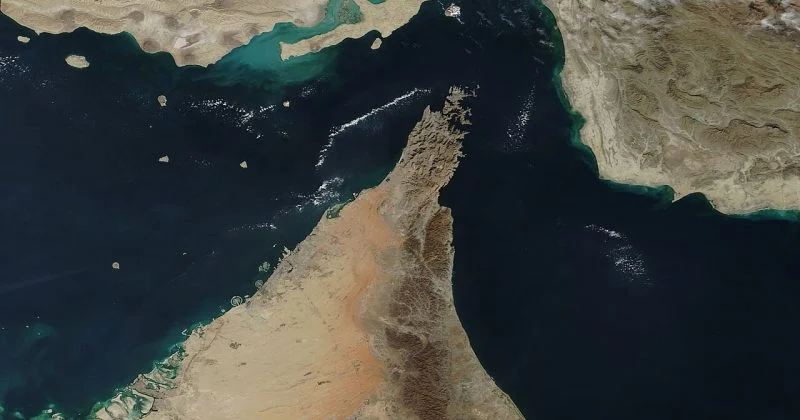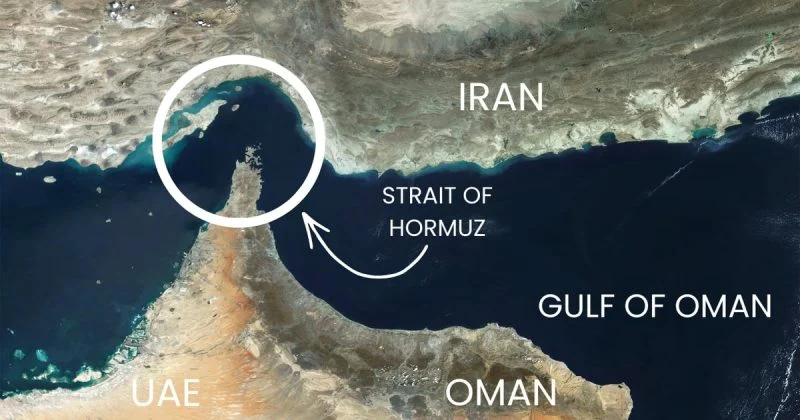
The recent escalation between the United States and Iran has sparked significant concerns over the security of oil shipments through the Strait of Hormuz, a crucial channel for global energy supply. Over the weekend, the U.S. launched strikes on nearly 90 targets in Iran in response to Iranian attacks on commercial vessels in the region. Iran retaliated with missile and drone strikes against U.S. assets in several Middle Eastern countries. This geopolitical tension has led to a noticeable increase in oil prices, with Brent crude surpassing a 5% rise to over $78 per barrel before settling slightly lower. The current market pricing appears to reflect increased caution but not a full closure of the Strait of Hormuz.
The impact on oil markets is evident, with WTI crude oil prices showing a sharp reaction. Various prediction markets are assessing the likelihood of WTI crude reaching certain price thresholds, with some scenarios reflecting a considerable rise in prices. As of now, the pricing suggests a cautious outlook but not a dramatic disruption of supply lines through the Strait. The U.S.’s recent revocation of a 60-day sanctions waiver for Iranian oil sales further complicates the supply dynamics, potentially tightening the market further.