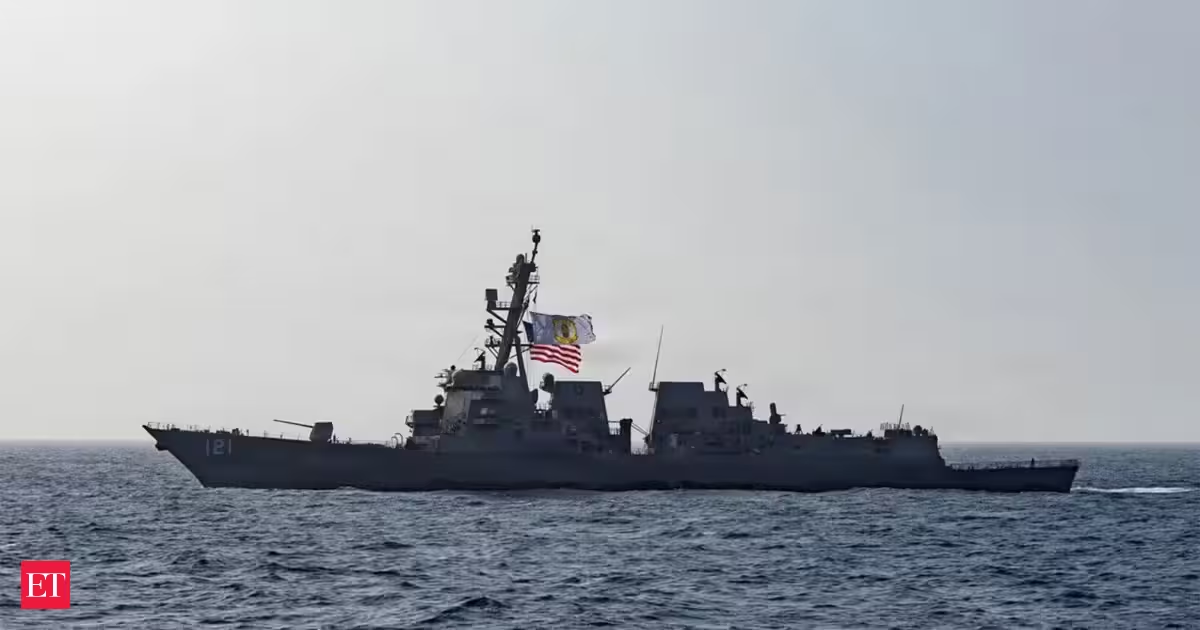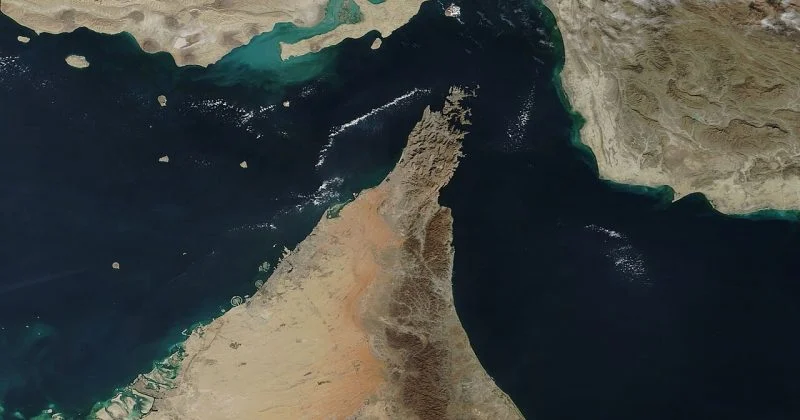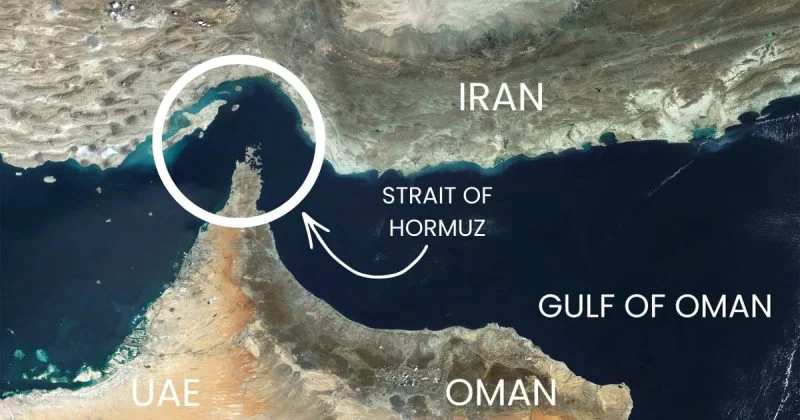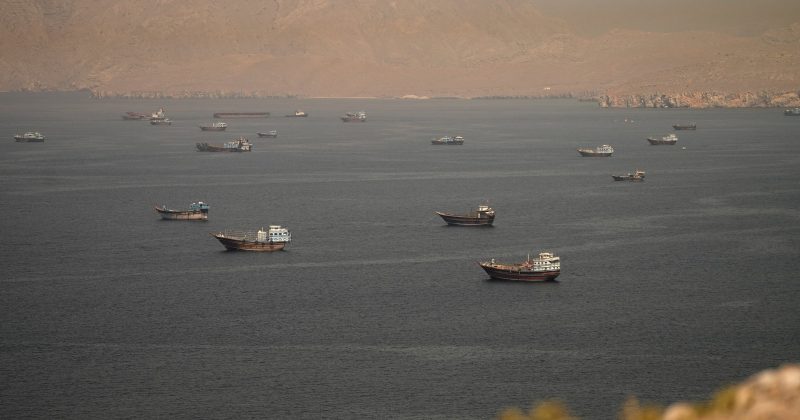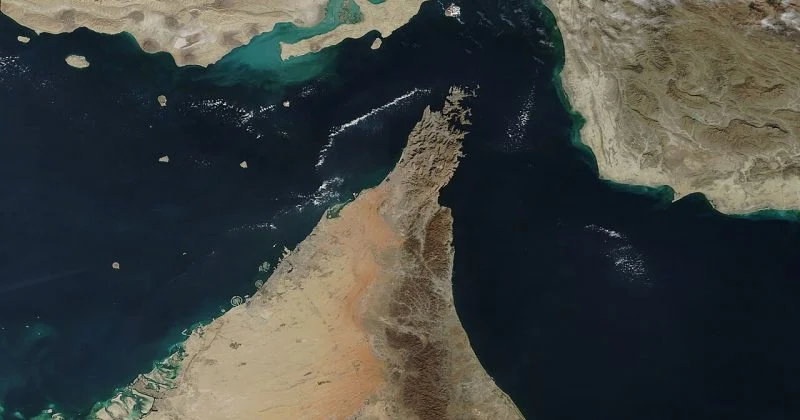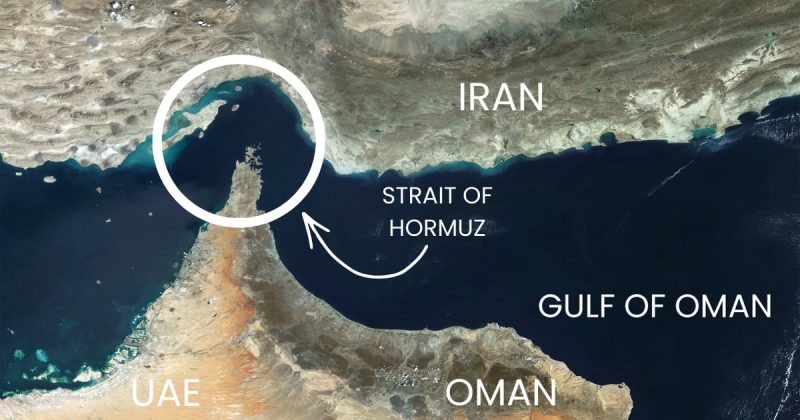
The United States has conducted airstrikes on Iranian missile facilities and anti-ship assets near the Strait of Hormuz, as reported by Mario Nawfal on social media. This military action comes amid statements from U.S. President Donald Trump asserting that the strait remains open, despite the Iranian Revolutionary Guard Corps’ declaration that it is closed. These conflicting narratives arise while shipping data indicates a significant reduction in traffic, suggesting the strait is not fully operational.
The geopolitical tension has significant implications for global oil supply, with pricing reflecting heightened concerns over potential disruptions. The WTI Crude Oil market, in particular, has shown increased activity, with a notable rise in the probability of higher oil prices. Meanwhile, the market for Strait of Hormuz traffic normalization by the end of July reflects skepticism regarding a swift resolution to the current blockade situation.
Key Takeaways
Market pricing suggests increased geopolitical tension from U.S. airstrikes and Iran’s response is impacting oil price expectations.
Recent developments appear consistent with scenarios where the Strait of Hormuz remains closed, affecting international shipping routes.