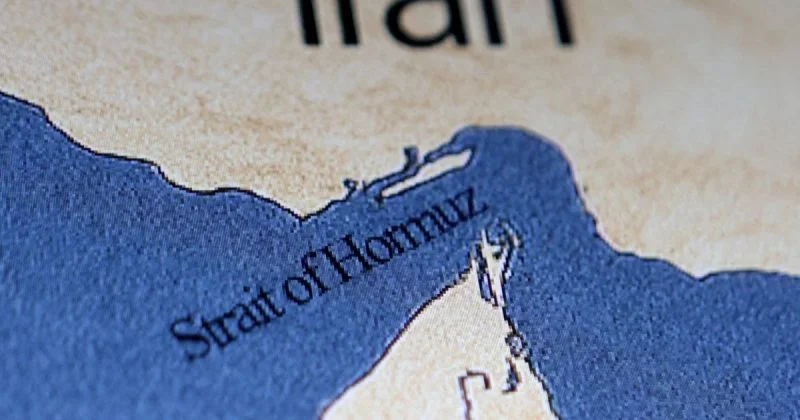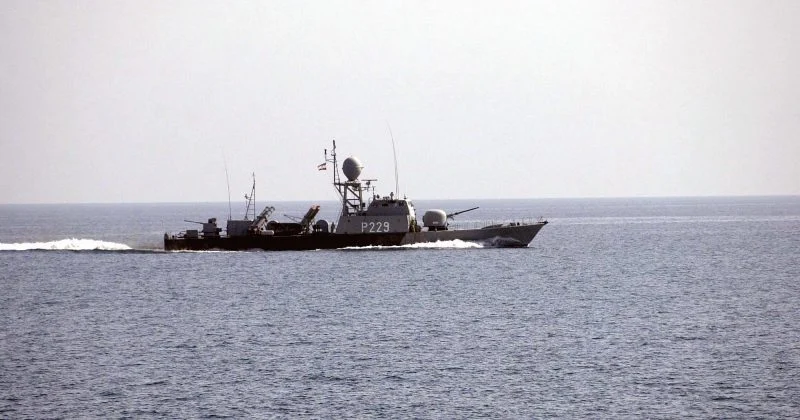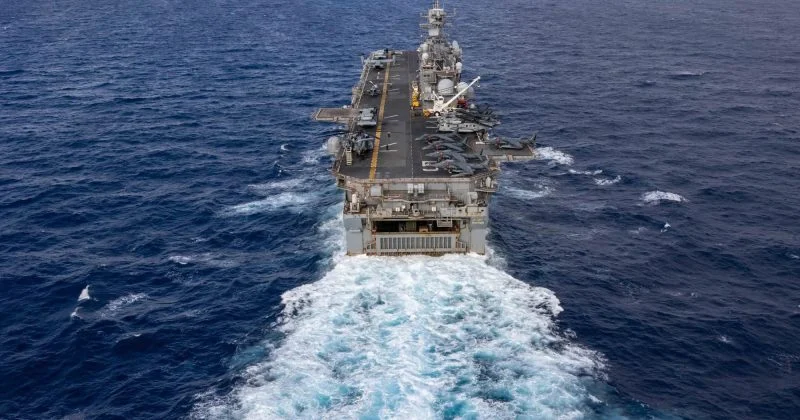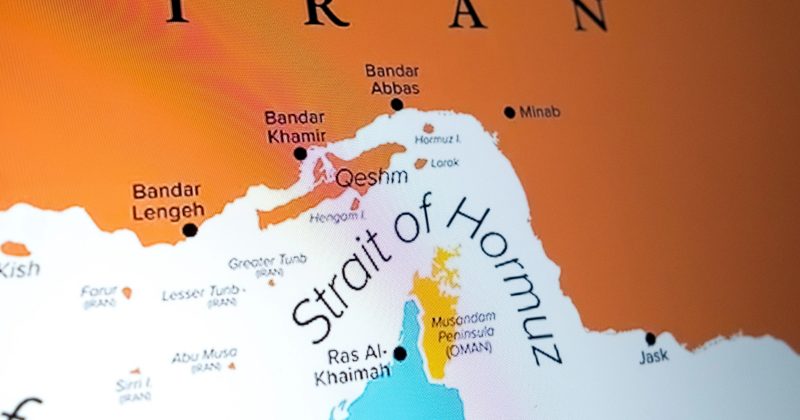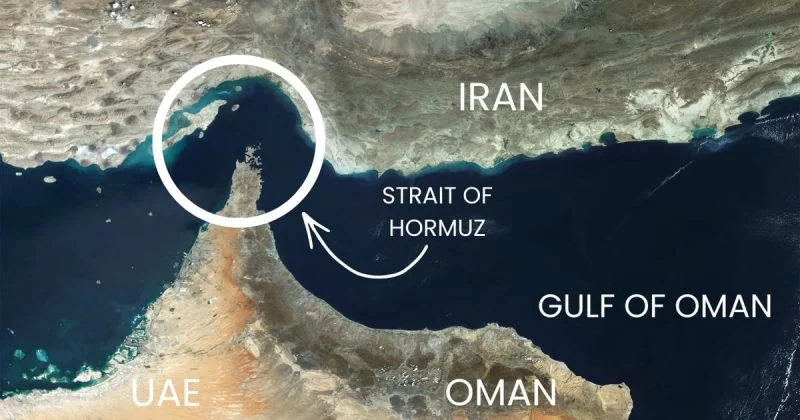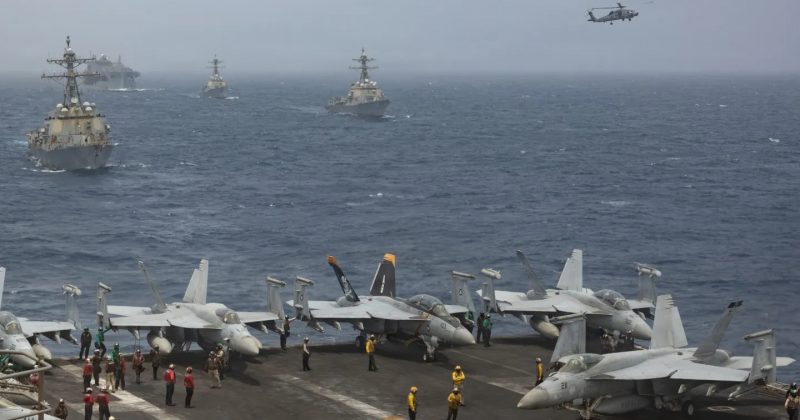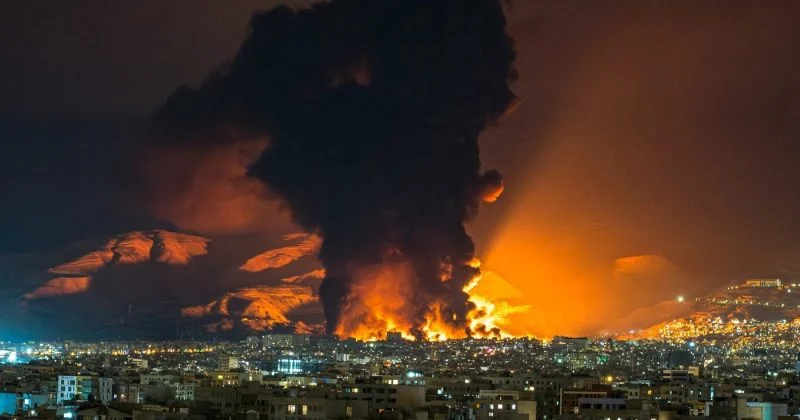
Iran’s top military command has issued a stark warning through state media, threatening to disrupt Gulf oil flow and target key infrastructure if the U.S. follows through on recent threats. This development is part of the ongoing conflict over the Strait of Hormuz, a critical maritime chokepoint. The situation has already seen active hostilities, with U.S. and Iranian forces engaging in retaliatory strikes. Iran’s latest statement underscores the potential for broader regional escalation, as it targets civilian and energy infrastructure beyond military assets. The Strait of Hormuz remains a significant concern for global energy markets, given its crucial role in international oil transport.
Key Takeaways
Iran’s military threat appears consistent with decreased odds of Strait of Hormuz traffic normalization by August 31, 2026, suggesting prolonged disruptions.
The likelihood of WTI crude oil prices increasing in July 2026 is supported by the threat, as market participants anticipate potential supply disruptions.
The probability of the U.S. announcing an end to the Iranian blockade by July 24, 2026, appears to have decreased, reflecting increased tensions and aggressive posturing from Iran.