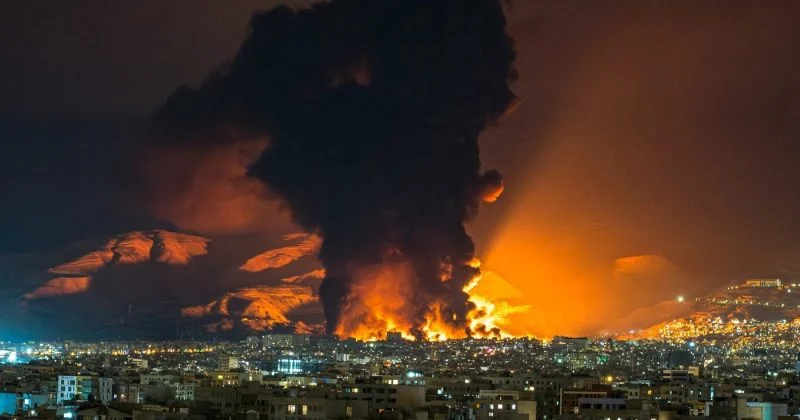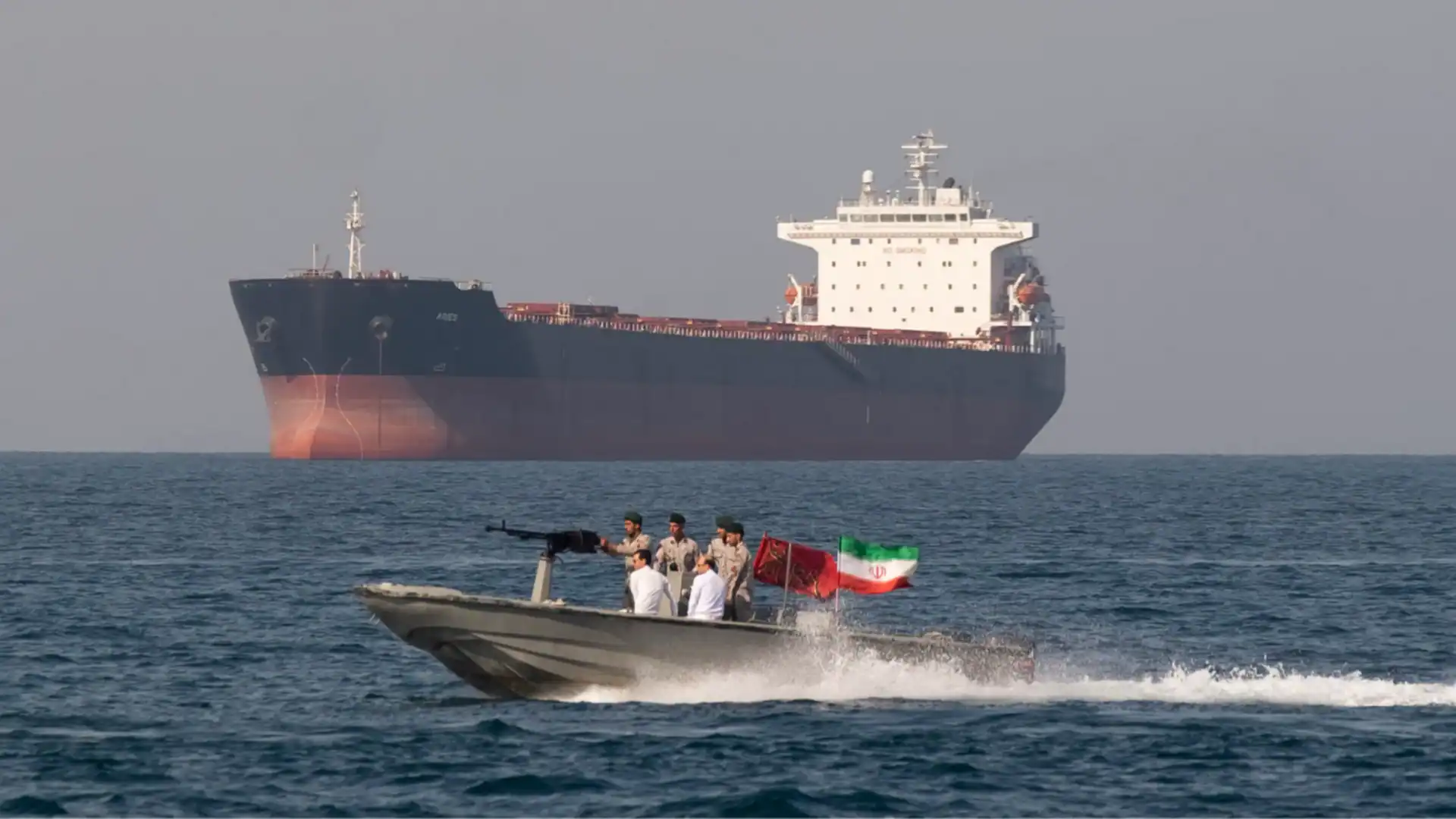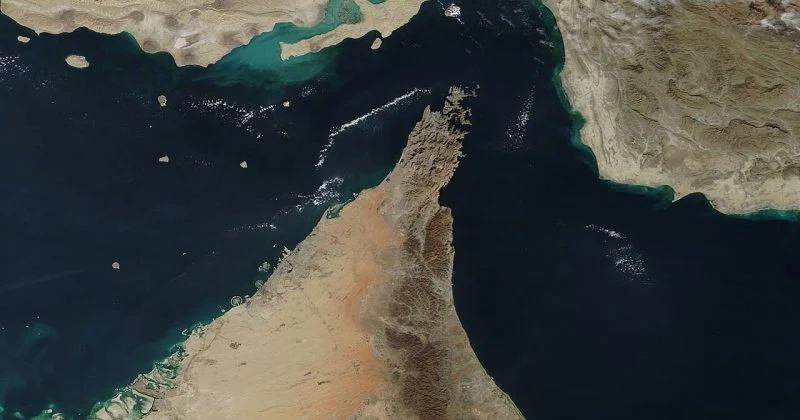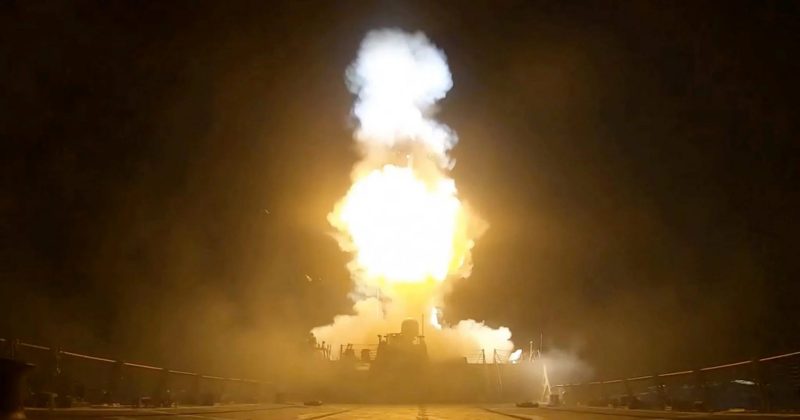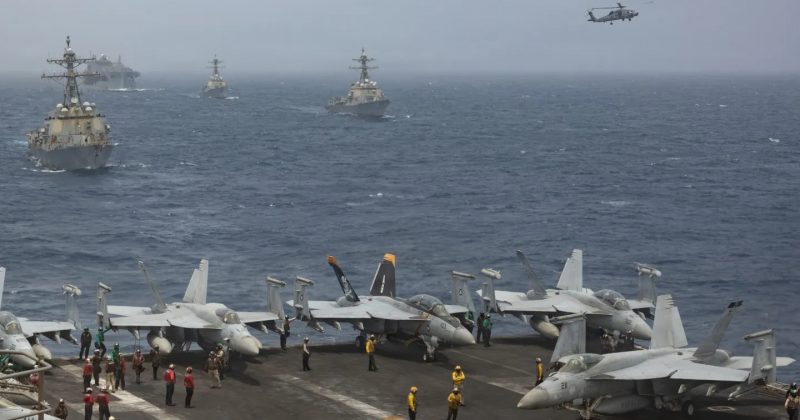
Iran’s Islamic Revolutionary Guard Corps (IRGC) has reiterated its threat to halt oil and gas exports from the Persian Gulf as long as U.S. military forces remain in the region. The statement underscores ongoing tensions following the 2026 Strait of Hormuz crisis, which began with U.S. and Israeli air strikes on Iran. These developments have led to a significant disruption in the region, with the Strait of Hormuz effectively closed to commercial shipping. Markets appear to view this as a critical factor affecting oil supply, with potential implications for global crude prices.
The IRGC’s stance comes amid heightened geopolitical tensions and ongoing negotiations between the U.S. and Iran. The closure of the Strait of Hormuz, a crucial maritime route for global oil transport, has already had a significant impact on oil exports from the Gulf. This situation has led to a surge in war-risk insurance premiums and a marked decline in Gulf oil exports. Analysts suggest that the current market environment is pricing in a significant risk to oil supply, as reflected in the increased probabilities of higher WTI crude oil prices.
Market participants appear to be responding to these uncertainties, with pricing suggesting that the likelihood of WTI crude reaching higher price targets in July has increased. The most notable changes are seen in the market’s expectation for WTI to reach $90, with probabilities rising sharply from 4% to 30.6% over the past week. This shift indicates heightened concern over ongoing supply disruptions and geopolitical instability.