The Islamic Revolutionary Guard Corps has drawn a line in the sand, or more accurately, in the water. On July 15, 2026, the IRGC declared that no oil or gas would leave the Middle East while what it calls “American aggression” continues, a move that effectively weaponizes the global energy supply in response to a US naval blockade on Iranian ports.
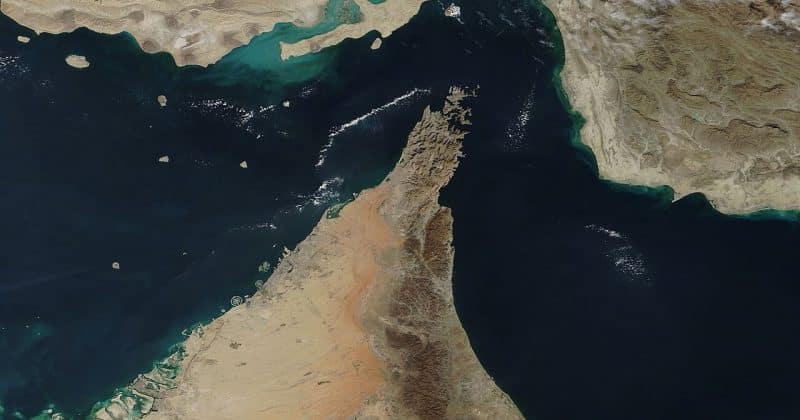
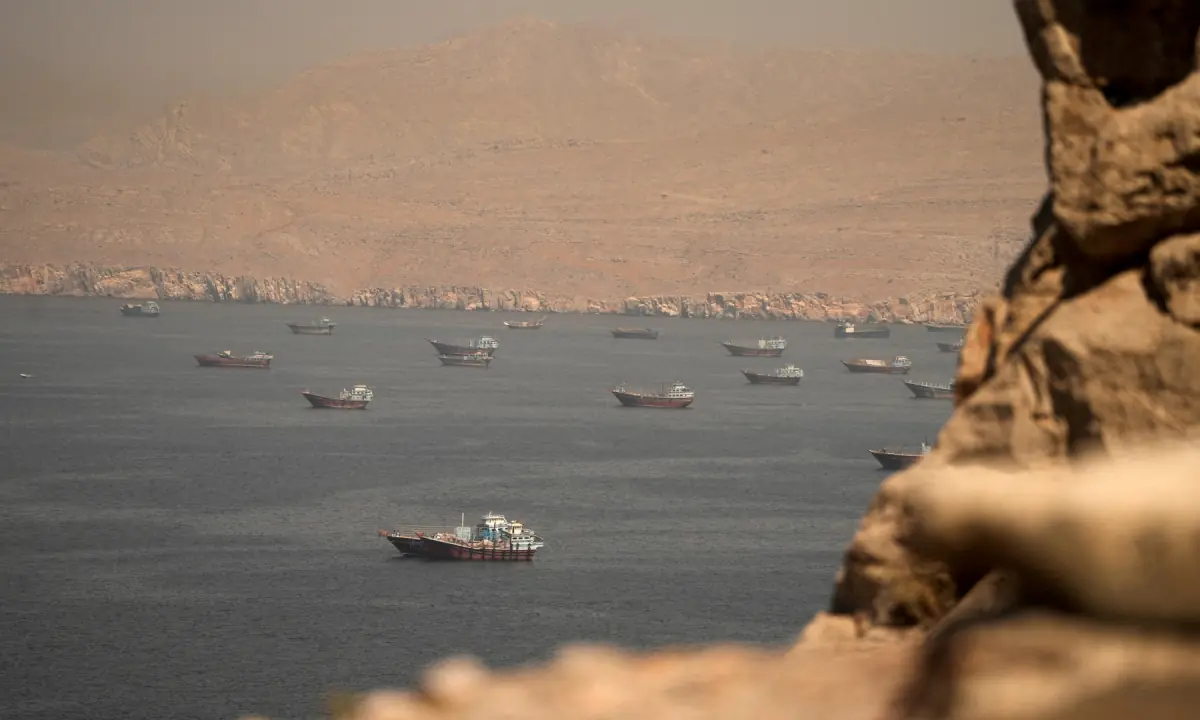
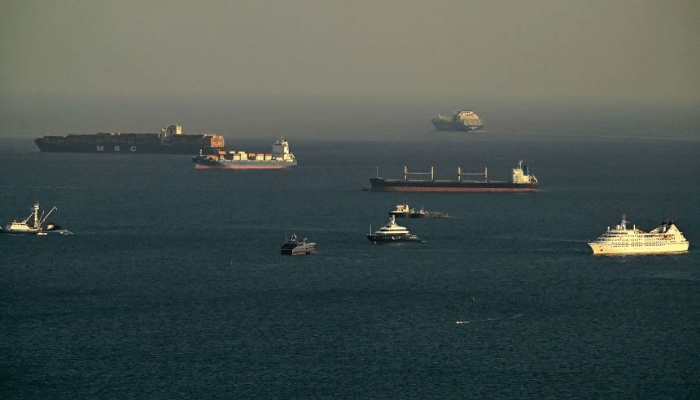
The threat centers on the Strait of Hormuz, a narrow chokepoint that under normal circumstances handles roughly one-fifth of the world’s oil and natural gas trade. Tanker traffic through the strait has already dropped to near zero since March 2026.
From simmering to boiling
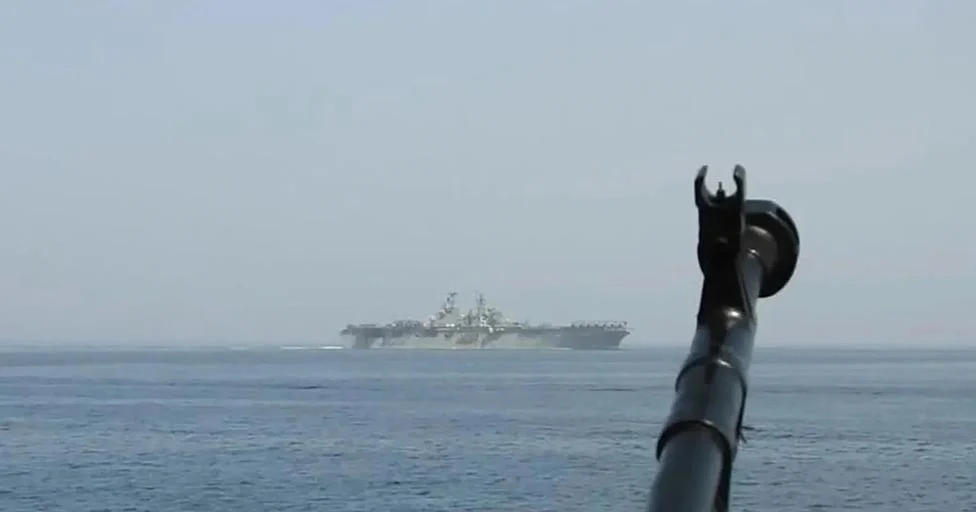
This didn’t happen overnight. The current crisis traces back to late February 2026, when US and Israeli strikes on Iranian targets triggered a cascade of retaliatory threats. Iranian forces began menacing shipping lanes in the Strait of Hormuz, and the situation has only deteriorated since.
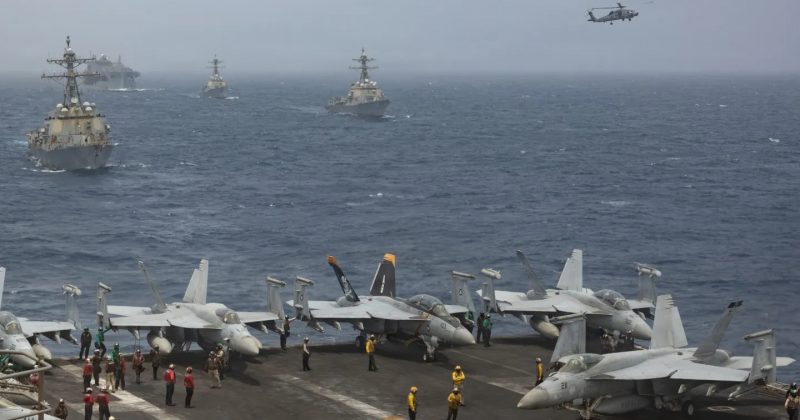
The US responded by reimposing a naval blockade on Iranian ports in July 2026, following continued strikes against Iranian targets. The IRGC’s latest declaration is essentially a counterpunch: if Iran can’t export energy, nobody in the region will either. The guard’s rhetoric has been blunt, asserting that these resources will be available to all or to no one at all.