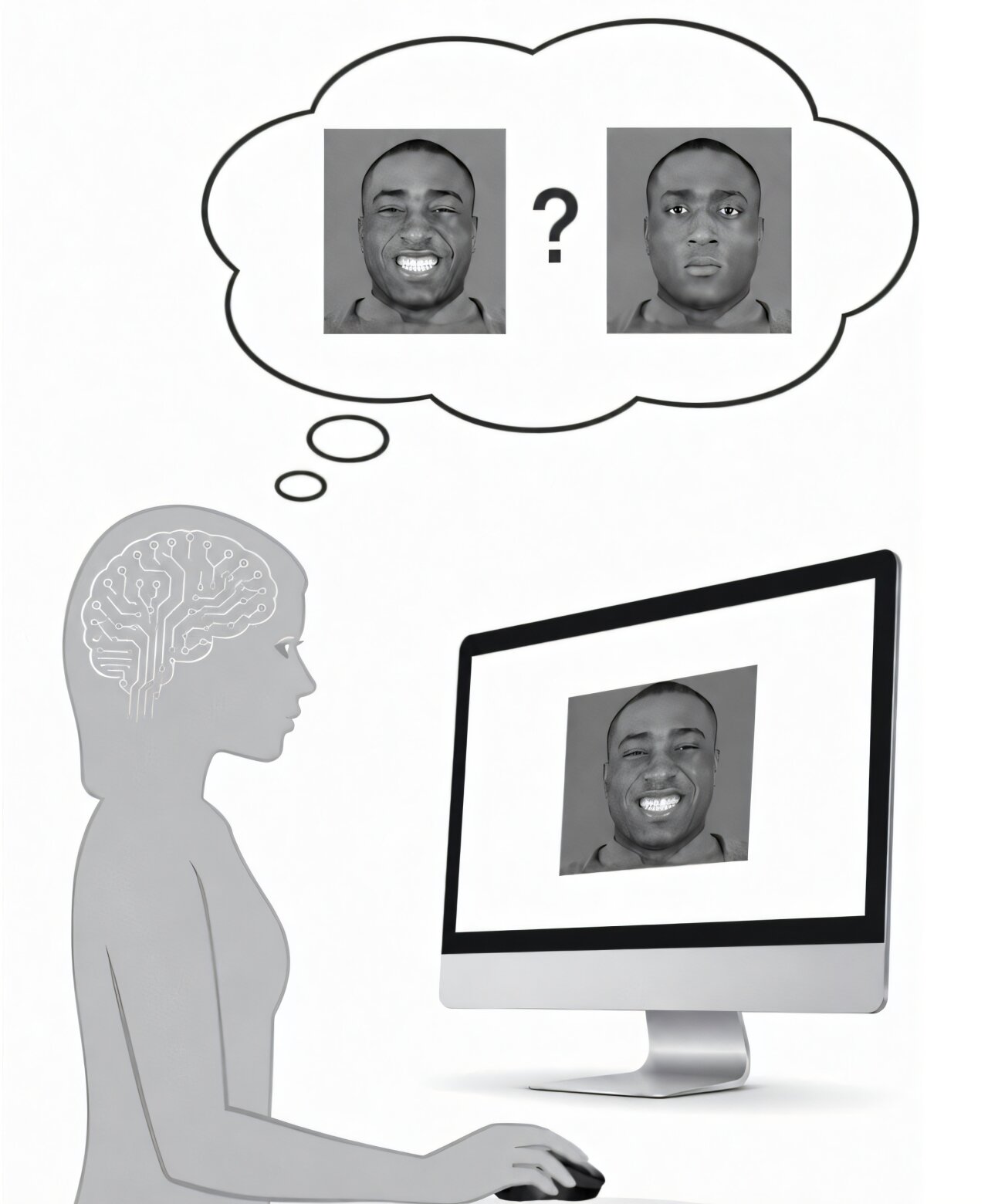
Humans are social animals, so seeing a fellow human face triggers a cascade of activity in our brains. Information about the age, gender, familiarity, emotional state, and more get processed within milliseconds. Now, new research published in the journal Developmental Cognitive Neuroscience suggests how our brains respond to faces in our youth could impact our social lives later on. Featured Video“Faces contain a lot of social information, and perceptually or cognitively humans process that information really, really quickly,” study author Myles N. Arrington said in a statement. “That makes it great for neuroscience, because as soon as you show a face to a person it doesn’t take long for their brain to respond.”Arrington and his fellow neuroscientists at the University of California, Davis studied brain activity of almost 6,000 children between the ages of 8 and 11 from the Adolescent Brain Cognitive Development Study. The kids were shown pictures of faces displaying positive, negative, and neutral emotions (which contain loads of social information) and places (which contain none) while their brain activity was monitored on an fMRI machine. Read more: “The Natural Harmony of Faces”Combining the fMRI results with two-year follow-ups, they found that increased activity in the amygdala—the brain’s fight-or-flight center—in response to faces was correlated with changes in their social lives. Interestingly, boys and girls with heightened amygdala activity had much different results later in life. Girls with more active amygdalas tended to have more involvement with peers two years down the road, while boys showed less involvement. According to the researchers, this could be due to differences in how the two genders are socialized. For example, “boys may be socialized to withhold intimacy and distance themselves from their peers,” the team wrote. It’s possible that this socialization can impact how their developing young minds process the social information contained in faces. Of course, the phenomenon could also be related to things like the timing of puberty, which occurs earlier in girls than boys, or neural development, the researchers say. “For adolescents in particular, there’s a lot of development happening in this age range in the amygdala specifically, but it doesn’t look the same for everyone,” said Arrington.Faces might look the same to everyone, but how we process them differs from person to person. Enjoying Nautilus? Subscribe to our free newsletter.Lead image: Prostock-studio / Adobe Stock
Can a Preteen’s Reaction to a Face Predict Their Future Social Lives?
Can a Preteen’s Reaction to a Face Predict Their Future Social Lives?: The developing brains of boys and girls light up differently when shown a face
388 words~2 min read