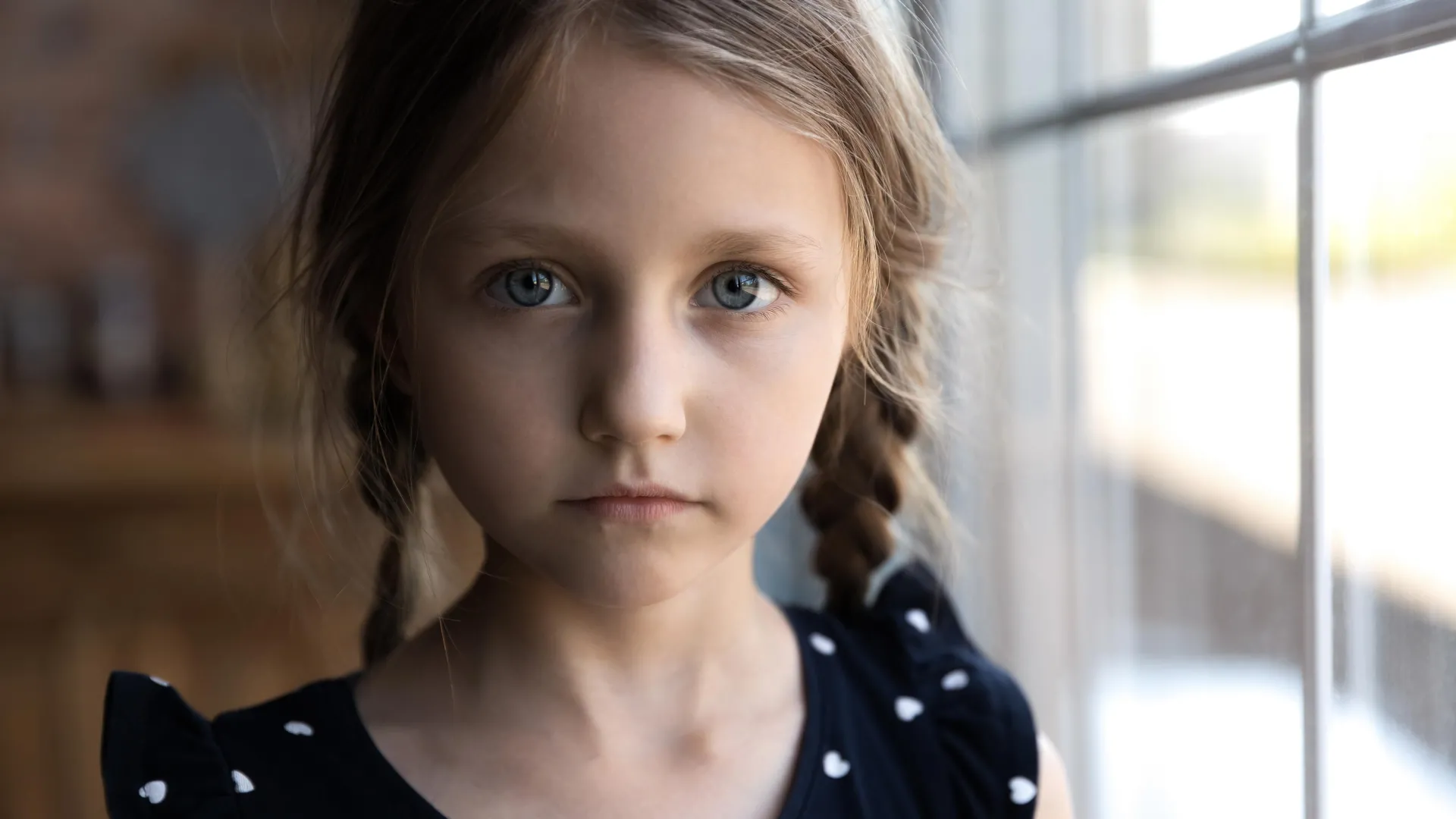
A smile. A frown. The facial expressions that capture a child's attention may reveal important clues about their mental health.
New research from Binghamton University, State University of New York, suggests that depression can influence how children respond to emotional faces, including happy and sad expressions. The study also found that these attention patterns differ depending on whether a child has a family history of depression.
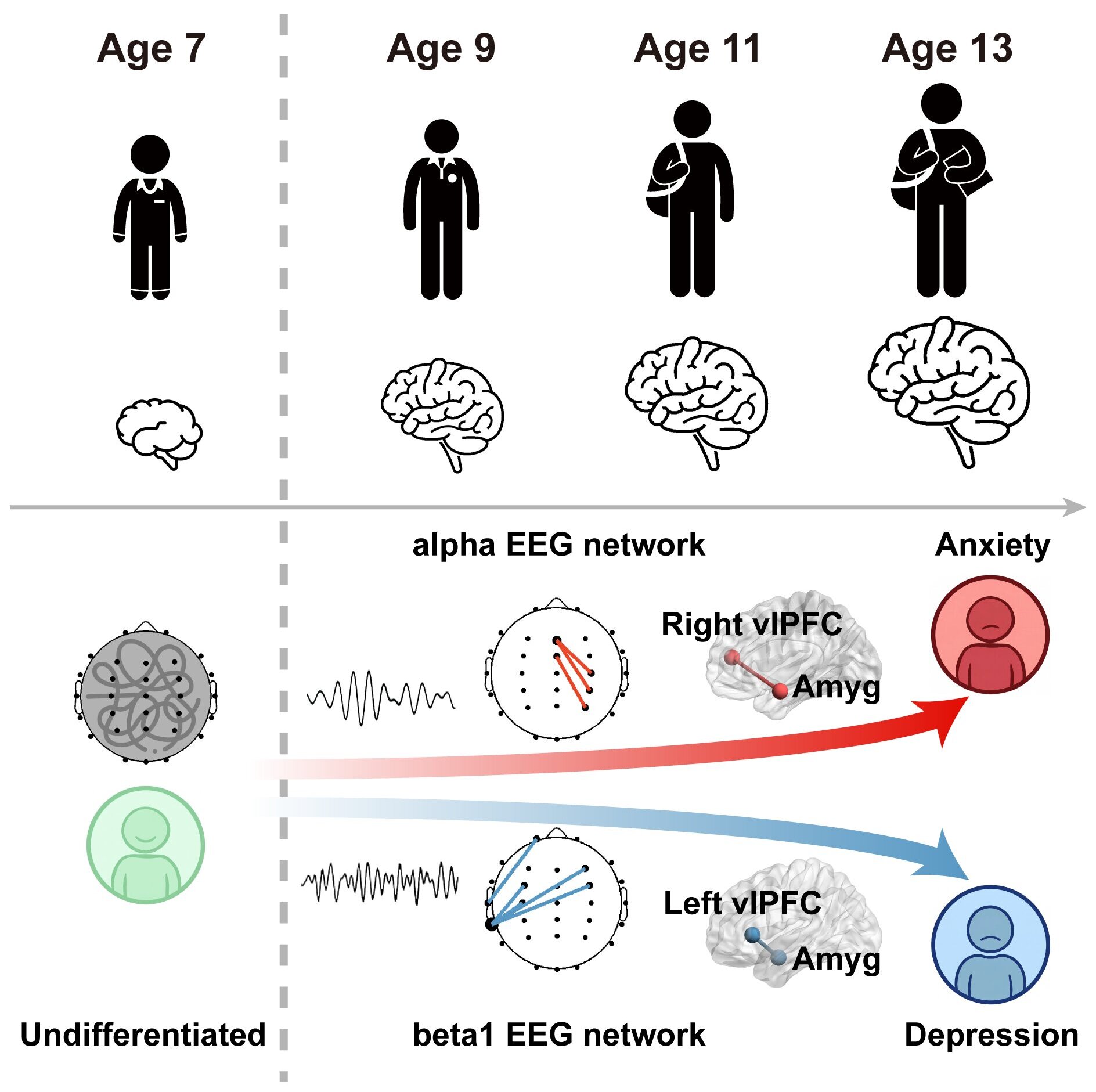
Researchers at Binghamton University's Mood Disorders Institute focus on understanding how depression develops during childhood and adolescence. They investigate how factors such as family history and emotional experiences contribute to future depression risk. By identifying these patterns early, scientists hope to improve efforts to recognize and prevent depression before it becomes more severe.
"Most of the vulnerabilities that we focus on are still developing during this time period," said Brandon Gibb, director of the Mood Disorders Institute and SUNY distinguished professor of psychology. "You can catch things as they're developing, rather than only studying them once they're already there and pretty stable."
How Depression and Attention Influence Each Other