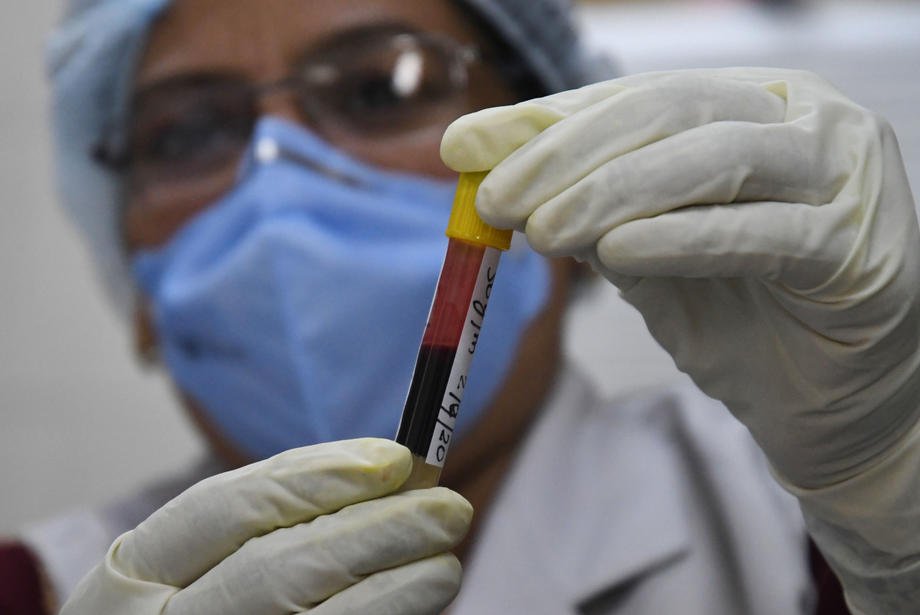
A new study is giving researchers hope that depression may someday be diagnosed with more than just questionnaires and conversations. Scientists now believe a simple blood test could help identify biological signs tied to depression, particularly emotional and cognitive symptoms that are often harder to measure.The research focused on how certain immune cells age inside the body and found striking links between accelerated immune aging and mood-related symptoms such as hopelessness, loss of pleasure, and emotional exhaustion. Published in The Journals of Gerontology, Series A: Biological Sciences and Medical Sciences, the findings could move mental health care closer to a future where depression is detected earlier and treated more precisely, as per a report by Science Daily.For decades, diagnosing depression has relied mostly on what patients describe during appointments. Doctors may use questionnaires or screenings, but there is still no confirmed biological test that can objectively identify depression early. That may eventually change, as per a report by Science Daily.Researchers from NYU Rory Meyers College of Nursing examined whether changes inside the immune system could reveal hidden biological patterns tied to depression.You Might Also Like:How Could A Blood Test Detect Depression?The study focused on something called biological aging. Scientists say biological age does not always match a person’s actual age because cells and tissues can age faster or slower depending on health, stress, inflammation, and disease.To measure this process, researchers used “epigenetic clocks,” tools designed to track chemical changes in DNA over time.You Might Also Like:The study included 440 women, including 261 living with HIV and 179 without HIV, from the Women’s Interagency HIV Study.Researchers evaluated depression symptoms using the Center for Epidemiologic Studies Depression Scale, commonly known as CES-D. The questionnaire measured both physical symptoms and emotional or cognitive symptoms linked to depression.Blood samples were then analysed to study ageing patterns in immune cells, especially monocytes, a type of white blood cell involved in inflammation and immune responses, as per a report by Science Daily.You Might Also Like:Why Are Immune Cells Important?Scientists discovered that accelerated aging in monocytes was strongly connected to non-somatic depression symptoms.These included feelings of hopelessness, emotional emptiness, anhedonia, and difficulty experiencing pleasure or interest in normal activities.“This is particularly interesting because people with HIV often have physical symptoms like fatigue that are attributed to their chronic illness rather than a depression diagnosis. But this flips that on its head because we found that these measures are associated with mood and cognitive symptoms, not somatic symptoms,” said study author Nicole Beaulieu Perez, assistant professor at NYU Rory Meyers College of Nursing.Researchers also noted that depression often appears differently from person to person, which makes diagnosis difficult, as per a report by Science Daily.“Depression is not a one-size-fits-all disorder -- it can look really different from person to person, which is why it's so important to consider varied presentations and not just a clinical label,” Perez explained. “Our study reveals unique biological underpinnings of mental health that are often obscured by broad diagnostic categories.”Interestingly, the broader epigenetic clock that measured multiple cell types did not show the same connection to depression symptoms.Could This Change Mental Health Care?Scientists believe the findings may eventually help create earlier and more personalized approaches to mental health treatment.Depression is especially common among people with immune-related illnesses such as HIV, where chronic inflammation, stigma, and ongoing health stress can increase emotional strain.“For women with HIV who may be experiencing depression, we want to better understand what's going on and catch it earlier so that it doesn't harm their whole overall health,” Perez said.Researchers emphasized that more studies are still needed before blood testing could become part of regular depression screening.However, the study opens the possibility that future mental health care could combine biological testing with traditional psychological evaluations.“I think about the adage, 'What gets measured gets managed.' An aspirational goal in mental health would be to combine subjective experience with objective biological testing,” Perez said.She added, “Our findings bring us a step closer to this goal of precision mental health care, especially for high-risk populations, by providing a biological framework that could guide future diagnosis and treatment.”Scientists say the research represents another step toward understanding depression not only as an emotional condition, but also as a biological one connected to aging, inflammation, and immune health.FAQsWhat did the blood test measure?It tracked biological aging in immune cells called monocytes.Did the study focus only on physical symptoms?No, researchers found stronger links to emotional and cognitive symptoms.You Might Also Like:
Could a simple blood test predict depression before symptoms appear? Here's what scientists claim
A new blood test tracking immune cell aging may offer an objective way to detect depression before symptoms manifest. Research indicates that aging in monocytes, a type of white blood cell, is linked to emotional and cognitive depression symptoms, not physical ones. This could lead to earlier diagnosis and more personalized treatment for depression.
744 words~3 min read