Biomarker discovery has played an essential role in the development of more effective therapy for multiple types of solid tumors, including esophageal cancer.
The applicability of biomarkers in esophageal cancer continues to evolve. For patients with resectable disease, the search is ongoing for markers that can reliably guide perioperative therapy, said Zev Wainberg, MD, of UCLA Health in Los Angeles, during an education session at the American Society of Clinical Oncology meeting. Advanced disease has four validated biomarkers, and investigators are homing in on several other promising prospects.
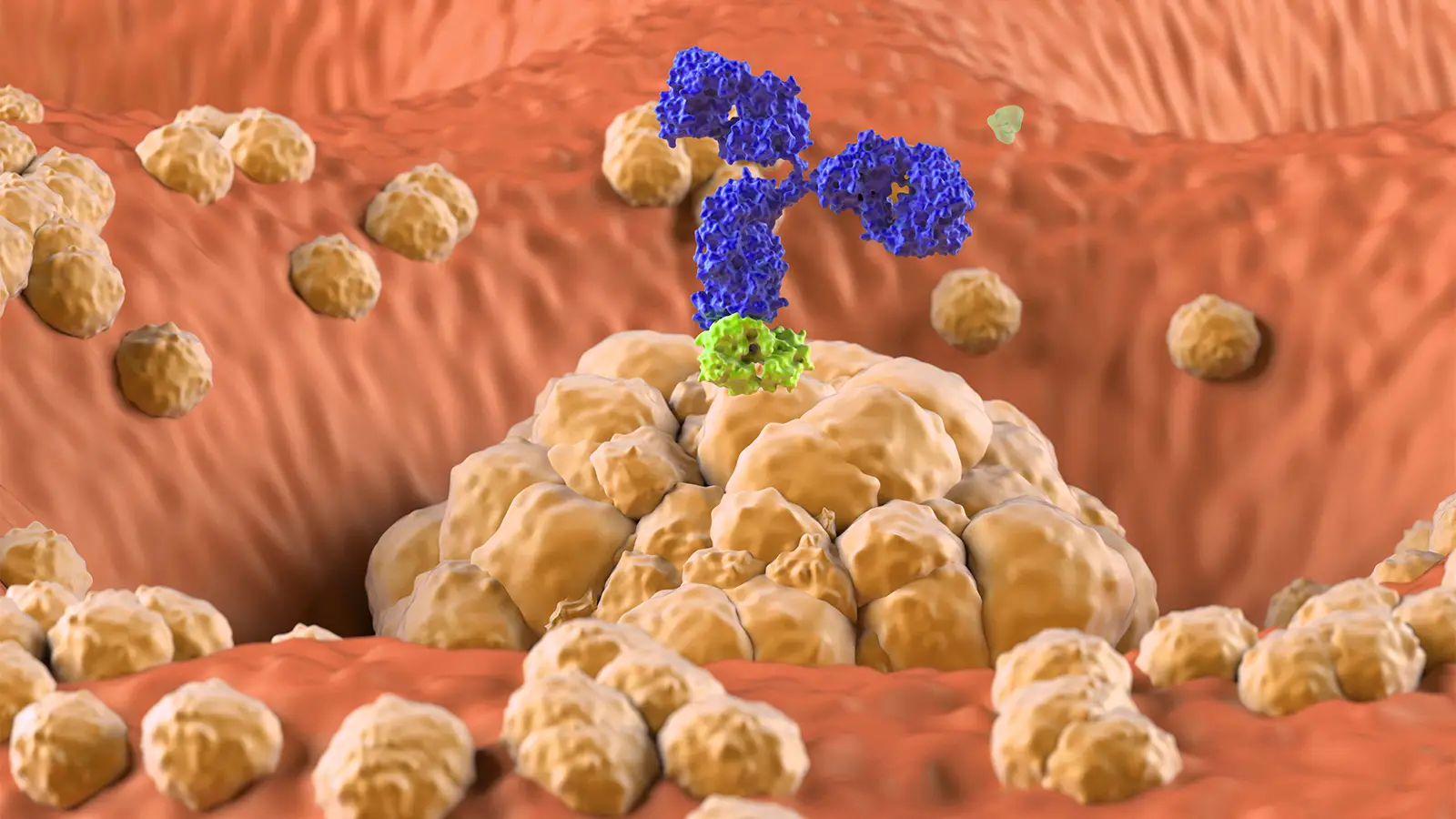
"Right now MMR [mismatch repair], HER2, PD-L1, and Claudin 18.2 are validated IHC [immunohistochemistry] markers and should be tested in all patients with advanced disease," said Wainberg. "Beyond [current] antibodies, new drugs targeting these proteins will start to become standard in bispecifics, ADCs [antibody-drug conjugates], and others. Beyond IHC, genomic biomarkers are being tested in advanced disease but are not yet validated in phase III studies."
The four markers cited by Wainberg have found a place in National Comprehensive Cancer Network (NCCN) recommendations for biomarker testing. MMR -- specifically microsatellite instability-high (MSI-H) -- figures prominently in the 2026 update to the NCCN guidelines for esophageal cancer, said Shadia Jalal, MD, of the Indiana University Simon Comprehensive Cancer Center in Indianapolis.