Australian researchers have found a new biomarker for multiple myeloma that could help doctors rapidly identify patients at greatest risk of poor outcomes, enabling more personalized and effective treatments. Multiple myeloma is an incurable cancer of plasma cells in the bone marrow and is the second most common blood cancer worldwide, with more than 188,000 new cases diagnosed each year.
Despite significant advances in treatment over the past two decades, most patients eventually relapse, and outcomes remain particularly poor for those with aggressive forms of the disease.
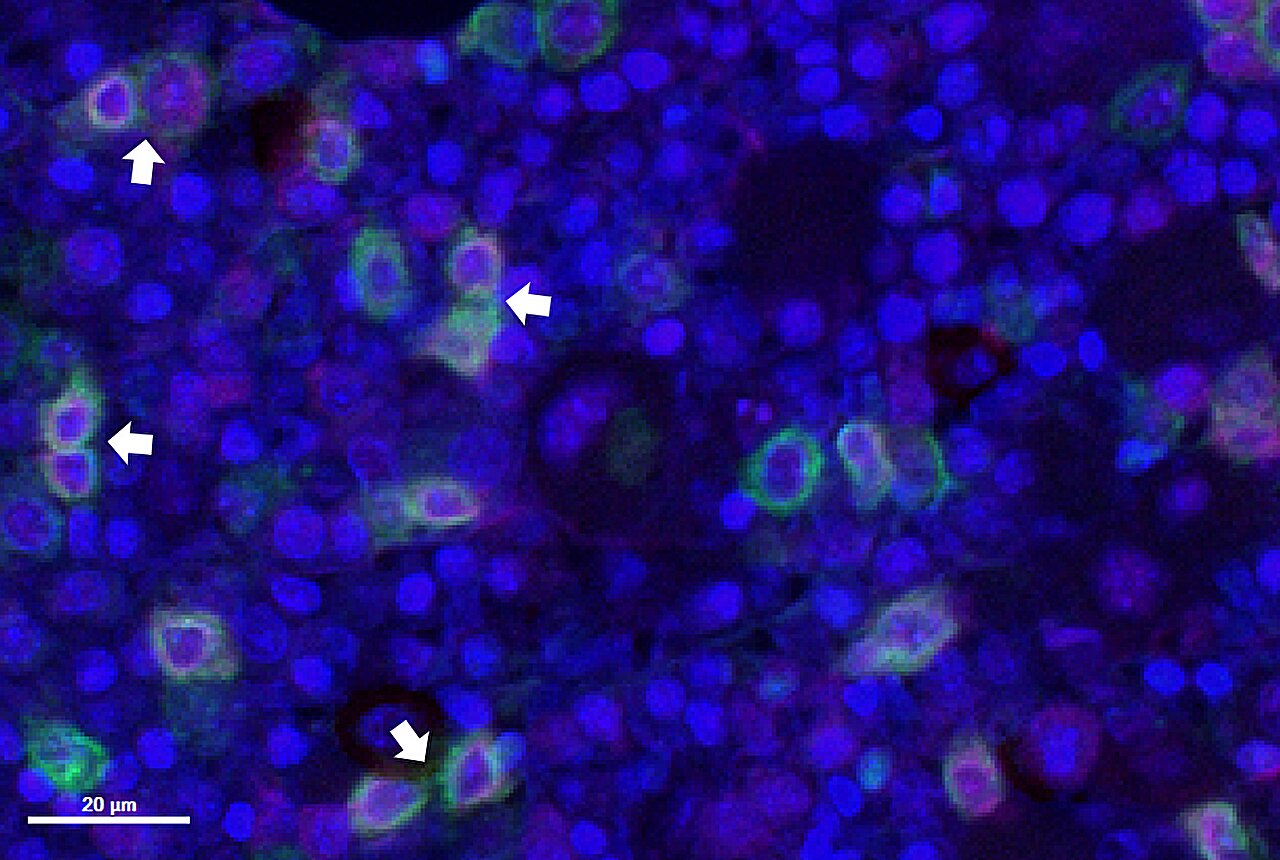
In a study published in the British Journal of Haematology, Adelaide University and SA Pathology researchers found that high levels of a protein called Desmoglein-2 (DSG2) are strongly associated with significantly shorter survival in patients with multiple myeloma.
The researchers analyzed clinical and genomic data from 678 newly diagnosed patients and found that those with the highest levels of DSG2 faced substantially worse outcomes than patients with low levels of the protein.
Lead authors Professor Claudine Bonder, Dr. Barbara McClure and Associate Professor Chung Hoow Kok, from Adelaide University's Center for Cancer Biology, believe the discovery could help fill an important gap in current risk assessment.