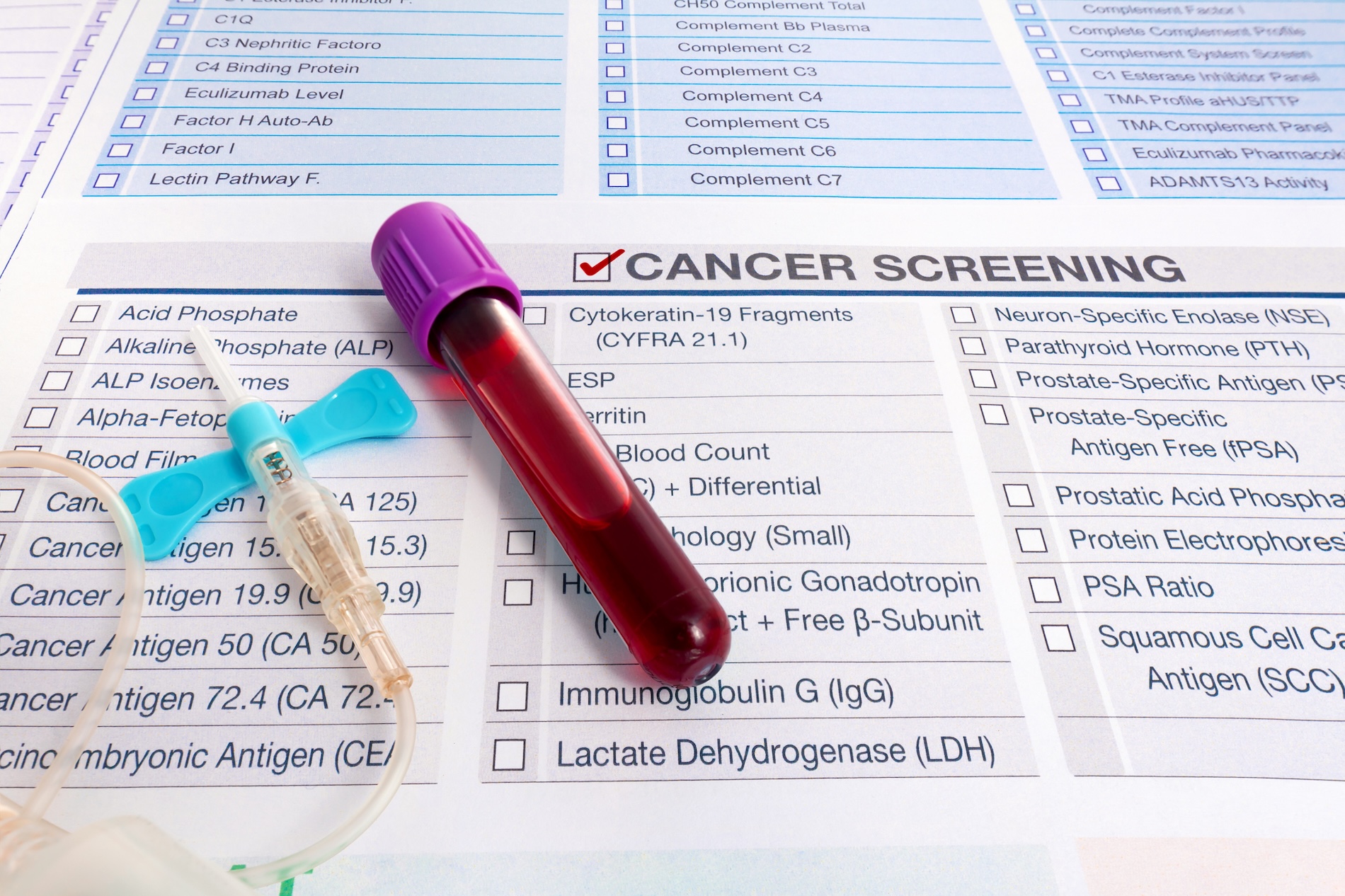
Obstacles to free, essential biomarker testing remain as reimbursement negotiations are underway, and eligibility criteria require clarification
Eight months after Greece took a major legislative step towards broadening reimbursement for predictive biomarkers in oncology, the framework is still not operational in practice.
The publication of a ministerial decision updating the list of reimbursed oncology biomarkers was welcomed by the scientific community as a long-awaited development, alongside a legal update to the evaluation and introduction framework for the tests. However, a broader range of tests to determine which patients are eligible for targeted therapies or immunotherapies has yet to become routinely accessible through reimbursement.
For oncologists, the issue is not simply administrative. In modern cancer care, biomarkers have become an essential part of treatment decisions, determining which therapies are most likely to benefit individual patients.
“The biomarker is not simply a laboratory test. It is the tool that allows us to select the right treatment for the right patient at the right time. Access to innovation begins with access to the biomarker,” Emmanuel Saloustros, president of the Hellenic Society of Medical Oncology (EOPE), told Euractiv.