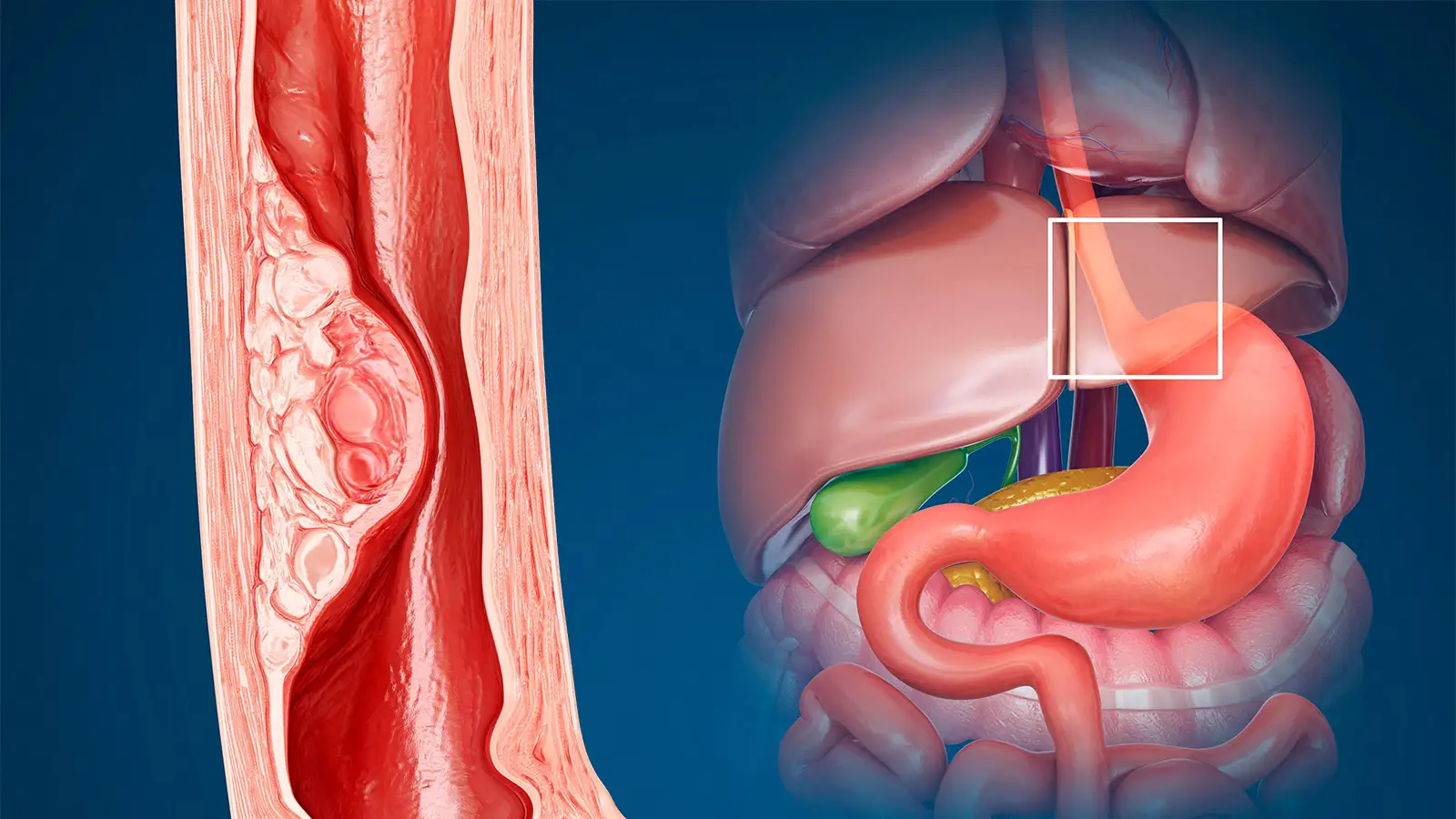
The emergence of immunotherapy for esophageal cancer provided a glimmer of hope to patients and clinicians affected by the historically poor-prognosis disease. The glimmer has not only persisted but perhaps grown brighter as immunotherapy's role in esophageal cancer has evolved and expanded over the past 7 years.
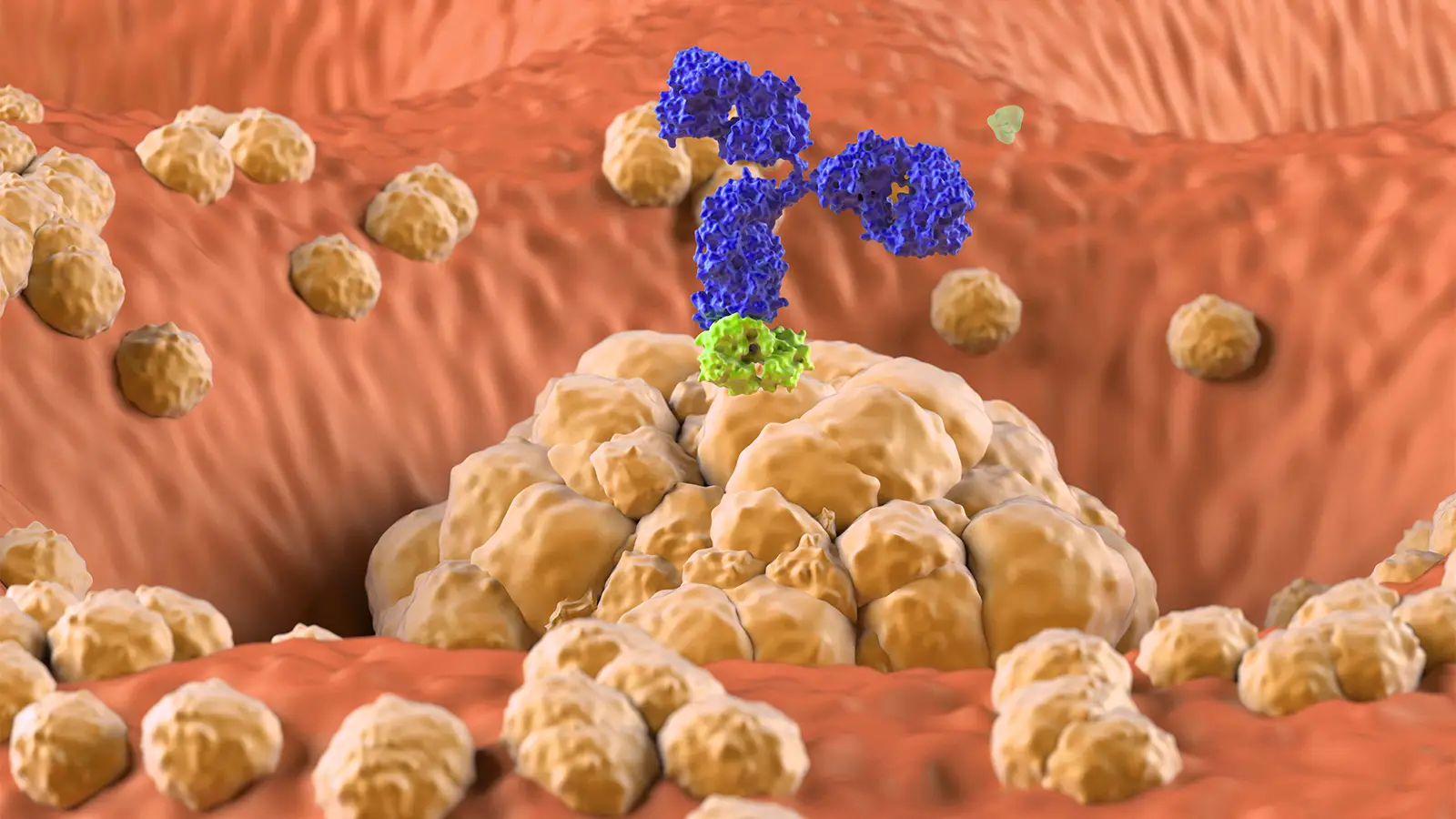
The FDA granted accelerated approval to pembrolizumab (Keytruda) in 2019 for previously treated, recurrent, locally advanced or metastatic esophageal squamous cell carcinoma. Nivolumab (Opdivo) followed a year later. Pembrolizumab then moved up to first line (in combination with chemotherapy) for unresectable locally advanced or metastatic esophageal adenocarcinoma. By then, trials of immunotherapy in the adjuvant setting had already begun.
Most recently, use of immunotherapy has expanded into neoadjuvant and perioperative therapy for operable esophageal cancer. The latest version of the National Comprehensive Cancer Network (NCCN) esophageal guidelines, released earlier this month, lists FLOT chemotherapy (5-fluorouracil, leucovorin, oxaliplatin, and docetaxel) plus the PD-L1 inhibitor durvalumab (Imfinzi) as a preferred regimen for multiple subgroups of patients: PD-L1 combined positive score (CPS) ≥1 or tumor area positivity (TAP) ≥1%, CPS <1 or TAP <1%, clinically node-negative tumors, and diffuse-type esophagogastric junction adenocarcinoma.